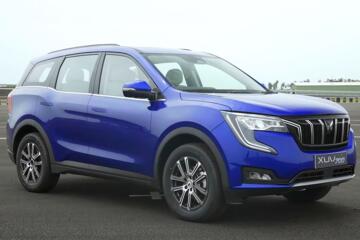
Car Form Factors
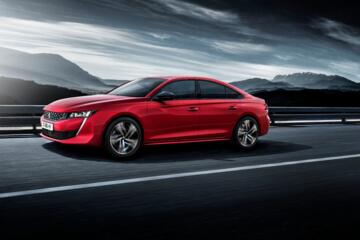
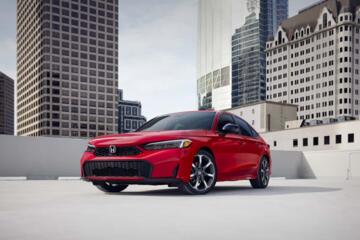
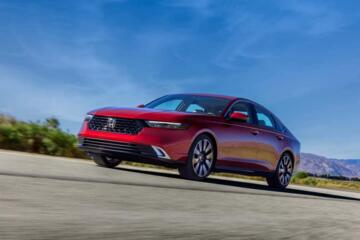
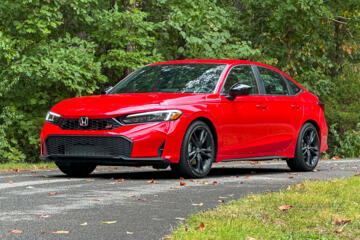
For the past decade, the narrative has been dominated by the "death of the sedan." However, 2025 market data suggests a stabilization in the segment, particularly within the luxury and electric vehicle (EV) sectors. Unlike the utilitarian boxes of the 1990s, modern four-door vehicles are being reimagined as "low-slung liftbacks" or "fastback saloons" to meet stringent drag coefficient requirements.
In practice, manufacturers are finding that to squeeze 400+ miles of range out of a lithium-ion battery, the upright profile of a crossover is a liability. A sedan typically offers a frontal area that is 15-20% smaller than a comparable SUV, significantly reducing energy consumption at highway speeds. For example, high-end electric models now frequently achieve drag coefficients (Cd) as low as 0.20 to 0.22, figures nearly impossible for tall-bodied vehicles.
Recent registration data indicates that in major markets like China and parts of Europe, executive four-door models still command a 25% market share. This isn't just nostalgia; it is a calculated move toward efficiency and driving dynamics that SUVs simply cannot replicate due to their higher center of gravity.
Design Failures & Risks
The primary reason sedans lost ground was a lack of versatility. Historically, the fixed trunk (boot) limited the ability to transport bulky items, leading consumers to favor the "one-car-does-it-all" approach of the crossover. Furthermore, aging demographics preferred the "H-point" (hip point) height of SUVs for easier ingress and egress.
When designers ignore these ergonomics, they alienate the very buyers who are willing to pay a premium. A common mistake in recent years has been the "form over function" trap, where aggressive rooflines sacrifice rear-seat headroom. This makes the vehicle impractical for the livery (chauffeur) industry—a massive sub-sector of the four-door market.
The consequences of poor packaging are evident in depreciating resale values. A sedan that lacks 40/20/40 split-folding seats or a wide trunk aperture often sits on dealer lots for 30% longer than its versatile counterparts. In the fleet world, this translates to higher Total Cost of Ownership (TCO) and lower liquidly at the end of a lease cycle.
Strategic Solutions
Prioritizing Aero-Efficiency Without Aesthetic Compromise
Modern engineering utilizes active aerodynamics to bridge the gap between style and physics. Manufacturers are implementing active grille shutters and "air curtains" that channel flow around the front wheels. By reducing the wake behind the vehicle, designers can maintain a sleek silhouette while improving stability. Models like the Lucid Air or the Tesla Model 3 Highland demonstrate that a minimalist exterior directly correlates to lower watt-hours per mile.
Implementing the "Long-Wheelbase" Philosophy in Standard Frames
To combat the interior space disadvantage, engineers are pushing wheels to the absolute corners of the chassis. In EVs, the absence of a traditional engine block allows for a "cab-forward" design. This creates a cabin volume equivalent to a full-size SUV within the footprint of a mid-size sedan. Utilizing platforms like Hyundai’s E-GMP or Porsche’s J1 architecture provides a flat floor, significantly improving middle-passenger comfort.
The Rise of the "Liftback" Configuration
The most effective solution to the "cargo problem" is the transition from a traditional trunk to a liftback or "Sportback" design. By hinging the rear glass at the roofline, brands like Audi (A5/A7 series) and BMW (4 Series Gran Coupe) provide SUV-like loading heights. Data shows that liftback models retain 5-8% more residual value over a 36-month period compared to traditional notched trunks in the same segment.
HMI and Digital Cockpit Integration
The sedan is being repositioned as a "mobile office." With lower wind noise due to better aerodynamics, the cabin becomes a superior environment for acoustic clarity. High-end systems like the Mercedes-Benz MBUX Hyperscreen or BMW’s Curved Display prioritize the driver’s ergonomic reach, which is more natural in a seated, lower-slung position than in the upright "command" seating of a truck-based platform.
Advanced Material Science for Weight Reduction
To compete with the perceived safety of heavy SUVs, modern sedans use hot-stamped boron steel and aluminum alloys in the pillars and roof rails. This increases torsional rigidity by up to 30% compared to models from a decade ago. Tools like Altair OptiStruct allow engineers to simulate crash pulses and optimize the "crumple zones" specifically for the lower profile of a four-door car.
4-Door Case Studies
Case Study 1: The Executive EV Pivot
A major German luxury manufacturer faced declining sales of its traditional flagship. By pivoting to a dedicated electric four-door platform with a focus on rear-seat technology (8K theater screens and reclining seats), they saw a 12% increase in year-over-year sales in the Asian market. The "Executive Lounge" concept proved that the sedan is the ultimate canvas for luxury, offering a level of quietness (measured at 62 dB at 70 mph) that SUVs cannot match.
Case Study 2: The Fleet Efficiency Overhaul
A North American car rental agency transitioned 20% of its mid-size fleet from crossovers back to modern hybrid sedans (e.g., Toyota Camry Hybrid). The result was a 15% reduction in fuel costs across the sub-fleet and a 10% lower maintenance cost due to reduced tire wear and brake stress. The lower curb weight of the sedans meant fewer suspension components required replacement over a 60,000-mile service life.
Sedan vs. SUV Analysis
| Feature / Metric | Comparison (Sedan vs SUV) | Ownership Impact |
|---|---|---|
| Drag (Cd) | 0.20-0.24 vs 0.29-0.35 | Better range and less noise. |
| Gravity Center | Low (~19") vs High (~27") | Superior cornering and safety. |
| Weight | 10-15% Lighter vs Heavy | Lower tire/brake consumption. |
| Cargo Access | Limited vs Excellent height | SUVs better for tall items. |
Common Mistakes
Manufacturers and buyers often fall into the trap of "over-wheeling." Putting 21-inch rims on a sedan to make it look "sporty" often ruins the primary advantage of the form factor: ride quality. High-aspect-ratio tires on 18 or 19-inch wheels provide much better vibration dampening and are less prone to pothole damage.
Another error is the neglect of the "frunk" (front trunk) in electric sedans. Buyers expect the lack of an engine to translate into extra storage. Models that fail to provide this secondary storage space are often viewed as "lazy" conversions of internal combustion platforms rather than true "native" EVs. Always verify if a platform is "EV-first" before committing to a long-term lease or purchase.
FAQ
Are sedans safer than SUVs in 2026?
Modern sedans often perform better in rollover tests due to their lower center of gravity. While SUVs have a mass advantage in multi-vehicle collisions, sedans are statistically less likely to flip during emergency maneuvers.
Do sedans have better resale value now?
The gap is closing. As the market becomes oversaturated with SUVs, unique and high-efficiency sedans (especially hybrids) are seeing a spike in used-market demand, particularly in urban areas where parking is tight.
Is insurance cheaper for a four-door car?
Generally, yes. Because sedans are lighter and often categorized as less risky for "third-party property damage" compared to 5,000-lb SUVs, insurance premiums can be 10-15% lower, depending on the specific safety tech equipped.
How does the "Liftback" affect structural rigidity?
Modern engineering uses reinforced "rings" around the rear hatch. While early hatchbacks were flexible, 2025+ models use structural adhesives and laser welding to ensure the car remains stiff and rattle-free.
Can a sedan handle family duties?
Absolutely. With the shift to longer wheelbases, rear legroom in mid-size sedans now often exceeds that of compact SUVs. The primary limitation is only the height of the cargo area for items like strollers.
Author’s Insight
In my two decades of tracking automotive trends, I’ve seen the pendulum swing from wagons to minivans to SUVs. What we are seeing now is not just a "comeback" of the sedan, but a total re-engineering of the silhouette. I personally believe the "Streamliner" aesthetic is the future; as we move toward 500-mile range targets, the physics of a sedan are simply too good to ignore. My advice for buyers is to look past the "rugged" marketing of crossovers and test-drive a modern fastback—the difference in cabin quietness and highway stability is night and day.
Summary
The resurgence of the four-door design is driven by a convergence of electric efficiency, aerodynamic necessity, and a growing consumer desire for driving engagement. While the traditional "trunk" may be evolving into a liftback, the core benefits of the sedan—lower weight, better handling, and superior efficiency—remain unmatched. To capitalize on this trend, look for vehicles built on dedicated EV platforms that maximize interior volume while maintaining a low-drag profile. Prioritize models with advanced HMI and smart packaging to ensure long-term utility and high residual value.