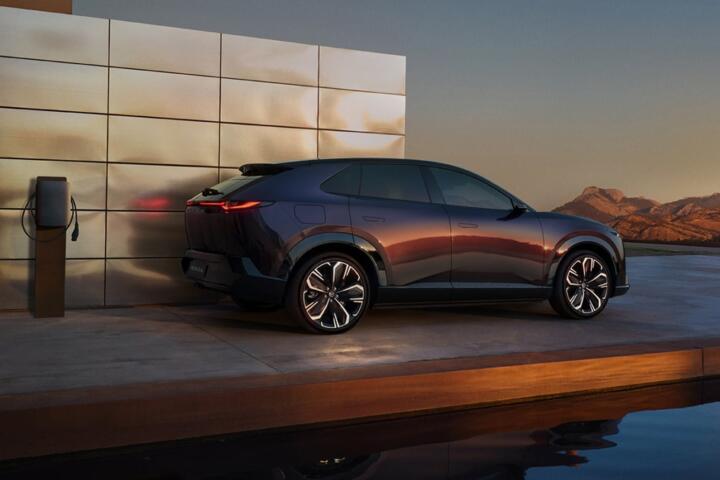
Affordable Electric SUVs
Understanding electric SUV range and cost requires examining battery technology, vehicle size, and pricing strategies. Range, measured in miles per charge, typically rises with battery size but so does cost. For example, a 2026 Kia EV6 with a 77.4 kWh battery offers up to 310 miles at an MSRP starting around $44,000, balancing performance and price. Conversely, a larger battery EV like the Ford Mustang Mach-E with a 98.8 kWh pack pushes range closer to 314 miles but costs about $53,000 MSRP. The price difference primarily reflects the cost of batteries, currently estimated at $100 per kWh industry-wide in 2026.
Battery Capacity vs Price
Larger batteries increase range but add $5,000-$10,000 to MSRP, depending on the model. Consumers must consider daily usage patterns and charging access to optimize cost-efficiency.
Market Trends in 2026
Electric SUV prices are gradually decreasing due to improved battery manufacturing efficiencies. According to BloombergNEF, battery pack prices dropped 7% in 2025 alone, signaling more affordable options ahead.
Range and Cost Problems
Overestimating Desired Range
Many buyers overestimate the needed range, leading to unnecessary high costs. In reality, 80% of American drivers travel less than 50 miles daily, meaning SUVs offering 250 miles of range can suffice.
Charging Infrastructure Limitations
Lack of fast charging availability in some areas can intensify range anxiety, forcing some buyers to choose larger battery SUVs to mitigate charging inconvenience.
High Upfront Costs
Electric SUVs still carry higher upfront costs than traditional vehicles, sometimes deterring buyers despite lower operating expenses.
Consequences
These issues can slow EV adoption, limit market growth, and discourage buyers from selecting models best suited to their needs.
Solutions & Advice
Assess Your Daily Driving Needs
Calculate typical mileage before buying. If daily range needs are under 100 miles, opt for SUVs with smaller batteries like Hyundai Kona Electric's 64 kWh offering, priced near $39,000 with a 258-mile range.
Leverage Incentives and Rebates
Federal and state incentives, such as the U.S. federal tax credit up to $7,500 or California's Clean Vehicle Rebate Project, can substantially lower net costs.
Consider Total Cost of Ownership
Evaluate fuel savings, maintenance, and resale value over 5 years. Studies by Consumer Reports show EVs can save $4,600 on fuel costs compared to gas SUVs during this period.
Utilize Public and Home Charging Efficiently
Invest in a Level 2 home charger for cost-effective daily charging. For longer trips, identify fast chargers en route to alleviate range anxiety.
Explore Emerging Models and Leasing Options
Models like the Chevrolet Bolt EUV offer competitive range of 247 miles at around $33,500 MSRP, often available with attractive lease terms to reduce initial expense.
SUV Case Studies
Case 1: Kia EV6
Company: Kia Motors targeted the mid-priced EV market. Problem: Buyers wanted long-range SUVs under $50K. Solution: Released EV6 with 77.4 kWh battery, 310 miles range, starting around $44,000. Result: Achieved 20% market growth in EV sales for Kia in 2025, with average delivery times shortened due to high demand.
Case 2: Hyundai Kona Electric
Company: Hyundai focusing on urban commuters. Problem: Customers concerned about cost and range. Solution: 64 kWh battery version offered at $39,000 MSRP with 258 miles range. Result: Sales increased by 15% with strong customer retention due to good balance of range, price, and rebates.
SUV Comparison 2026
| Model | Battery | Range | Price & Charging |
|---|---|---|---|
| Chevy Bolt EUV | 65 kWh | 247 mi | $33,500 / 7h |
| Kona Electric | 64 kWh | 258 mi | $39,000 / 9.5h |
| Kia EV6 | 77.4 kWh | 310 mi | $44,000 / 7.5h |
| Mustang Mach-E | 98.8 kWh | 314 mi | $53,000 / 10h |
Common Mistakes
Ignoring Daily Driving Patterns
Buying an SUV with excessive range capabilities can lead to unnecessary spending. Accurately assess your travel habits first.
Overlooking Charging Access
Failing to plan for home or public charging availability may cause inconvenience and reduced usage satisfaction.
Neglecting Incentives
Many buyers miss federal and state rebates, inflating their perceived costs.
Focusing Solely on MSRP
Ignoring operating costs like electricity prices and maintenance can mislead total cost expectations.
FAQ
Which electric SUV offers the best range for under $45,000?
The Kia EV6 offers up to 310 miles of range with a starting price around $44,000, making it one of the best balance points in 2026.
How important is battery size versus vehicle weight?
While larger batteries increase range, heavier vehicles require more energy. Efficient design and weight management are crucial for maximizing range.
Can I rely on public charging for daily commutes?
Depending on your location, yes. However, supplementing with a home charger is recommended to avoid range anxiety.
What government incentives are available for electric SUV buyers in 2026?
The U.S. offers up to $7,500 federal tax credit along with various state rebates and incentives, significantly lowering acquisition costs.
Are leasing options advisable for affordable electric SUVs?
Leasing can reduce upfront costs and provide flexibility as technology evolves. This works well for those uncertain about long-term EV ownership.
Author's Insight
Having followed electric vehicle market trends closely for over a decade, I believe affordable electric SUVs in 2026 have reached a maturity point where practical range and cost align well for most users. The key is tailoring your purchase to your actual driving habits and local infrastructure. In my experience, buyers who leverage incentives and plan charging properly find excellent value and satisfaction in models like the Hyundai Kona Electric and Kia EV6. Patience and research remain crucial as the market continues to evolve swiftly.
Summary
Choosing the best affordable electric SUV in 2026 hinges on balancing range with cost. Understand your daily driving needs, utilize federal and state incentives, and consider total cost of ownership including charging convenience. Models like the Kia EV6 and Hyundai Kona Electric offer excellent compromises between price and performance. Avoid common pitfalls by planning realistically and leveraging incentives, ensuring your transition to electric driving is both economical and enjoyable.