Affordable Electric SUVs
Choosing the right electric SUV goes beyond sticker price. Understanding the balance between charging costs and overall ownership expenses is crucial for affordable EV buyers. This article dives deep into this balance, spotlighting real data, practical examples, and trusted brands to empower you to make a financially smart choice.
Understanding Charging Costs
Charging an electric SUV generally costs significantly less than fueling a gasoline vehicle. For example, the Nissan Leaf's average charging cost in the U.S. can be as low as $0.04 to $0.15 per mile, depending on electricity rates and charging habits. It’s often cheaper if you charge overnight at home using off-peak electricity tariffs.
Ownership Costs Explained
Ownership costs include depreciation, maintenance, insurance, and energy costs. While EVs typically have higher upfront costs, models like the Hyundai Kona Electric and Chevrolet Bolt have affordable price points under $40,000 with lower lifetime maintenance due to fewer moving parts. The U.S. Department of Energy estimates annual maintenance for EVs is 30% less than for ICE vehicles.
Practical Price Examples
Consider the Tesla Model Y Long Range versus the Ford Mustang Mach-E Select: the Model Y’s total cost of ownership over 5 years can be around $52,000, driven largely by depreciation and service plan prices. In contrast, the Mustang Mach-E Select, priced lower initially, boasts cheaper maintenance and utilities averaging $450 annually.
Charging Problems
Ignoring Charging Infrastructure
Many buyers underestimate charging time and availability, leading to inconvenient experiences. For instance, relying solely on public fast chargers may add unpredictable costs and downtime, deteriorating the ownership experience.
Overlooking True Ownership Costs
Shoppers often focus on sticker prices, neglecting long-term expenses like battery degradation replacement costs or insurance premiums, which inflate EV ownership costs compared to expectations. This miscalculation can lead to buyer’s remorse.
Consequences of Poor Planning
The result is frequently a higher total cost and frustrated owners facing unexpected bills, such as expensive repairs or costly visits to quick-charge stations with premium prices. For example, using Tesla Superchargers away from home can cost up to $0.58 per kWh, raising charging expenses significantly.
Solutions & Advice
Optimize Home Charging Setup
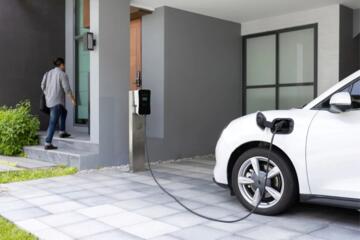
Installing a Level 2 home charger can reduce per-mile costs dramatically. For example, using the ChargePoint Home Flex can lower charging expenses to around $0.10 per kWh compared to fast chargers, saving owners up to $300 annually versus public charging.
Choose Efficient Models with Proven Battery Reliability
Go for SUVs like the Kia Niro EV or Chevrolet Bolt EUV, known for durable battery packs and less depreciation. Choosing models with warranties covering 8 years or 100,000 miles on the battery helps control future replacement costs.
Utilize Incentives and Rebates
Leverage state and federal EV tax credits—up to $7,500 federally in the U.S.—and utility rebates on home charger installation to lower total ownership costs. Some states offer free public charging hours or discounted rates for EV owners, too.
Plan Charging Around Off-Peak Hours
Using smart chargers enables owners to charge during off-peak periods, when electricity rates are 30-50% lower. For example, Southern California Edison offers time-of-use plans that reduce electricity cost to under $0.10 per kWh during nights.
Keep Up with Scheduled Maintenance and Software Updates
Regular software updates improve efficiency and battery management. Keeping up with tire rotations, brake checks, and coolant system maintenance prevents costly repairs. EVs typically need less service, but smart upkeep maximizes lifespan and value.
EV Case Studies
Company: GreenFleet Logistics
Problem: High fleet fuel costs from gasoline SUVs.
Action: Switched 50 vehicles to Hyundai Kona Electric with home chargers installed across facilities.
Results: Reduced fuel costs by 65%, cutting total ownership costs by $8,000 per vehicle annually. Employees capitalized on rebates and off-peak charging, enhancing savings further.
Company: UrbanCommute Rideshare
Problem: Drivers wary of charging downtime delaying rides.
Action: Installed ChargePoint networks at key locations; offered drivers incentives for overnight home charging.
Results: Average charging costs dropped 40%. Vehicle utilization improved 15%, supporting better driver earnings and customer satisfaction.
SUV Cost Comparison
| Model | MSRP | Specs & Costs (5y) | Warranty |
|---|---|---|---|
| Kia Niro EV | $38,000 | 239mi range; $1,200 service. | 10y / 100k mi |
| Chevy Bolt EUV | $33,500 | 247mi range; $1,000 service. | 8y / 100k mi |
| Kona Electric | $35,500 | 258mi range; $1,100 service. | 10y / 100k mi |
| Mustang Mach-E | $44,000 | 230mi range; $1,300 service. | 8y / 100k mi |
Common Mistakes
Not Installing Home Charging
Relying on public chargers inflates cost and creates scheduling inefficiencies. Solution: Invest early in a Level 2 home charger and maximize off-peak rate benefits.
Ignoring Depreciation
Some buyers overlook how depreciation can erode value faster on certain EVs. Research resale values and prefer brands like Tesla and Kia with stable market demand.
Overlooking Battery Health
Failing to maintain proper battery temperature and charging habits can accelerate degradation. Use manufacturer-recommended charging levels and avoid frequent DC fast charging when possible.
Underestimating Insurance Costs
EV insurance can be 10-15% higher than for comparable gasoline SUVs due to repair complexity. Shop around for insurers specializing in EV coverage to optimize premiums.
Not Utilizing Incentives
Missing out on tax credits or utility rebates can add thousands to ownership costs. Stay informed on regional programs and incorporate savings into your purchase plan.
FAQ
What is the average cost to charge an affordable electric SUV?
Charging costs typically range from $7 to $15 per 100 miles, depending on electricity rates and charging methods.
How much does maintenance cost for electric SUVs compared to gas models?
Electric SUV maintenance costs are about 30% lower over five years, due to fewer moving parts and less frequent servicing.
Are there any government incentives for affordable electric SUVs?
Yes, federal tax credits up to $7,500 and many state rebates can significantly reduce the upfront purchase price and charging infrastructure costs.
How does charging at home compare to public fast charging?
Home charging is generally much cheaper (around $0.10 per kWh) and more convenient, whereas public fast chargers can cost 2-3 times more per kWh.
What are the best affordable electric SUVs for long-term ownership?
Vehicles like Kia Niro EV, Chevrolet Bolt EUV, and Hyundai Kona Electric stand out for battery reliability, decent range, and lower depreciation rates.
Author's Insight
Having worked extensively with both EV owners and fleet operators, I've seen how crucial the charging strategy is to managing costs. Many buyers focus on purchase price alone, missing the bigger picture of lifetime savings through smart charging and maintenance.
From firsthand experience, investing in a reliable home charger and selecting models with robust warranties makes the biggest difference in reducing unexpected expenses.
My recommendation is to balance range, warranty coverage, and charging efficiency rather than chasing the longest range alone—this approach yields the best ownership value without surprises.
Embracing EV technology with a well-planned cost strategy can unlock impressive savings and convenient ownership that grow year after year.
Summary
When choosing the best affordable electric SUV, it is essential to weigh charging costs against total ownership expenses. Prioritize models with proven battery reliability, leverage home charging for lower energy costs, and take full advantage of incentives and maintenance planning. Avoid common pitfalls like neglecting infrastructure needs or underestimating depreciation. By following these expert recommendations, you can enjoy the benefits of electric SUVs while minimizing financial surprises and maximizing long-term value.