City Electric Car Basics
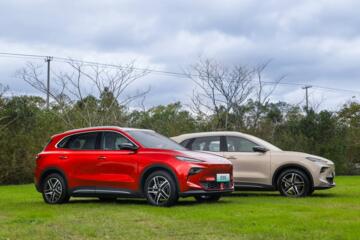
Electric cars designed for city driving focus on compactness, maneuverability, and realistic range considering stop-start traffic patterns. Unlike highway driving, urban commutes rarely demand full battery capacity, making peak range less critical than convenience and versatility. Cars like the BMW i3 or the Renault Zoe have been praised for their city-friendly footprints and nimble handling.
According to the U.S. Department of Energy, the average city commute is about 16 miles (26 km) one way, well within the Electric Vehicle average range of 150 to 250 miles in modern models. This indicates that many EVs can comfortably serve daily urban needs without frequent charging.
Main City EV Problems
Overemphasis on Maximum Range
Many consumers prioritize longest possible range without considering their daily mileage needs. For example, purchasing a Tesla Model S with over 370 miles (595 km) range may be overkill if your city commute is under 30 miles daily. This leads to unnecessary higher costs and larger vehicle sizes unsuitable for urban parking spaces.
Charging Infrastructure Limitations
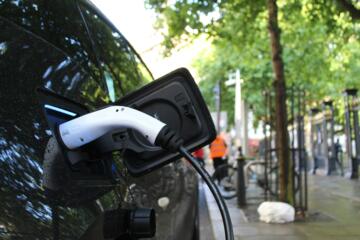
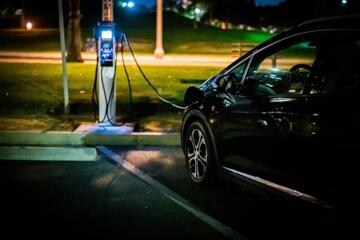
City residents without home garages face problems installing private chargers. Relying on public chargers can be unreliable or time-consuming, especially during peak hours or in densely populated neighborhoods.
BloombergNEF reports that only about 15% of EV charging globally occurs at public stations, indicating a gap for urban users without home charging options.
Poor Battery Efficiency in Stop-and-Go Traffic
Stop-and-go traffic can reduce overall battery efficiency due to frequent acceleration and braking. Some models lack efficient regenerative braking, making them less ideal for city driving where these conditions predominate.
Space Constraints and Practicality
Many EVs optimized for range tend to be sedans or SUVs unsuitable for tight parking or narrow streets. Drivers often wrestle with size trade-offs, sacrificing practicality.
Solutions & Tips
Choose Compact Models with Adequate Range
Opt for smaller electric cars whose range aligns with your lifestyle, like the Nissan Leaf with a 150-mile EPA rated range or the Hyundai Kona Electric with 258 miles. These models offer maneuverability and sufficient range for city driving without excess size or cost.
For instance, Nissan Leaf’s 150-mile range typically covers a week of urban commuting without recharging, promoting convenience.
Utilize EV Navigation and Charging Apps
Apps like PlugShare and ChargePoint enable drivers to locate available chargers fast, plan trips, and manage charging sessions efficiently. Their integration reduces range anxiety, particularly in urban areas where charger access is varied.
Invest in Models with Regenerative Braking
Cars such as the Chevrolet Bolt and BMW i3 feature advanced regenerative braking systems that recapture energy during deceleration, improving efficiency in stop-and-go conditions common in cities.
Leverage Public and Workplace Charging
Where home charging is unavailable, look for workplaces or commercial centers offering EV chargers. For example, initiatives like Tesla’s Destination Charging network expand urban charging options at hotels, malls, and restaurants.
Consider Subscription and Car-Sharing Services
Urban residents who drive infrequently may choose EV subscription services such as those offered by Canoo or Zipcar’s EV fleet. These provide access to a variety of electric models without the burdens of ownership, especially in cities with stringent parking regulations.
Case Studies
City Delivery Service: Transition to EV
Company: GreenPost Logistics, New York City
Problem: High fuel costs and emissions with traditional delivery vans in congested city streets.
Solution: Switched to the Nissan e-NV200 electric van, known for compact size and a practical 124-mile range.
Result: Reduced operational costs by 30%, improved delivery times by 15% due to easier parking and lower maintenance. The EV’s range comfortably covered daily urban routes without recharging midway.
Urban Commuter Adopting Electric
User: Sarah, software engineer in San Francisco
Problem: Limited parking space and no private garage for charging.
Solution: Purchased a BMW i3 with 153 miles range and utilized public charging networks, including workplace chargers.
Result: Reliable daily commute, with charging costs 70% lower than previous gasoline car expenses and ease of parking in city spaces.
Popular Urban EVs
| Model | Range & Regen | Size (ft) | Charging (Fast) |
|---|---|---|---|
| Nissan Leaf | 150 mi / Yes | 4.47 | 40 min (80%) |
| BMW i3 | 153 mi / Yes | 4.0 | 40 min (80%) |
| Hyundai Kona | 258 mi / Yes | 4.18 | 47 min (80%) |
| Chevrolet Bolt | 259 mi / Yes | 4.15 | 30 min (80%) |
| Renault Zoe | 245 mi / Yes | 4.08 | 60 min (80%) |
Common Mistakes to Avoid
Ignoring Actual Daily Mileage
Many buyers focus on headline range without evaluating how much they really drive. Tracking your monthly mileage helps avoid overinvesting in high-range EVs.
Skipping Test Drives in City Settings
Always test drive EVs under urban conditions to assess turning radius, parking ease, and regenerative braking feel. This hands-on experience reveals true city suitability.
Neglecting Charging Options Ahead
Check local charging infrastructure plus proximity to workplace and shopping centers before committing. Apps like PlugShare provide detailed maps and real-time availability.
Overlooking Maintenance and Warranty
Choose cars with strong battery warranties (most EVs offer 8 years/100,000 miles) and good local service centers, as urban use can strain components differently than highway driving.
FAQ
What is the ideal electric car range for city driving?
For most urban commuters, 150-200 miles of range is sufficient. It covers daily trips with a buffer for errands or unexpected drives without requiring daily charging.
Are compact EVs better for city use than SUVs?
Generally yes. Compact EVs like the BMW i3 or Nissan Leaf offer easier parking and better maneuverability, which are crucial in tight city streets.
How important is regenerative braking for city EVs?
Highly important. Regenerative braking recaptures energy during frequent stops, extending battery life and improving driving range in stop-and-go traffic.
Can I rely on public chargers if I don’t have home charging?
Yes, but it requires planning. Use apps like ChargePoint to find reliable stations. Many urban workplaces also offer charging facilities, reducing dependency on public networks.
What charging speed is practical for city EV drivers?
Fast charging capability (20-60 minutes from 20% to 80%) is ideal for midday top-ups. However, overnight home charging (Level 2) is optimal if available.
Author's Insight
From personal experience living in a metropolitan area, I found a 150-200 mile range more than sufficient for daily needs. What really matters is vehicle size and ease of access to charging. For me, the BMW i3 was a great balance of compactness and efficiency, with regenerative braking noticeably improving my battery life in heavy traffic. I strongly advise urban drivers to prioritize practicality over maximum range unless they regularly venture out for longer trips. Leveraging apps to locate chargers and considering workplace charging solutions truly simplifies EV ownership in cities.
Summary
Choosing the best electric car for city driving hinges on balancing range with practical urban features like size, maneuverability, and efficient energy recapture. Aim for EVs offering 150-250 miles of range, rapid charging compatibility, and reliable regenerative braking. Use apps and local infrastructure to offset limited home charging options. By focusing on these tangible criteria, city drivers can enjoy cost savings, environmental benefits, and stress-free urban mobility.