The Dual-Purpose Myth
The concept of a "daily driver" has evolved from simple reliability to a complex balance of adaptive technology and mechanical endurance. In the past, owning a performance vehicle meant compromising on luggage space, fuel economy, and spinal health due to stiff suspensions. Today, electromagnetic dampers and sophisticated ECU mapping allow a single vehicle to transform from a refined cruiser into a sharpened instrument of speed at the touch of a button.
Consider the shift in performance metrics: twenty years ago, a car hitting 60 mph in under five seconds was a supercar; today, that is the benchmark for a practical performance sedan or coupe. Statistics from J.D. Power suggest that reliability in the premium sporty segment has improved by 24% over the last decade. This shift means that modern engineering allows for high-revving engines that can also idle in heavy traffic for hours without overheating or fouling spark plugs.
Hidden Ownership Costs
The most common mistake buyers make is focusing solely on the sticker price while ignoring the "performance tax" associated with daily use. High-performance tires, such as the Michelin Pilot Sport 4S, provide incredible grip but may only last 15,000 miles if driven aggressively, costing upwards of $1,500 per set. Carbon-ceramic brakes offer fade-free stopping power on tracks but can be squeaky, cold, and prohibitively expensive to replace for city driving.
Ignoring ground clearance is another critical error that leads to expensive carbon fiber repairs. A vehicle with less than 4 inches of clearance will struggle with standard speed bumps and driveway inclines found in most residential areas. Real-world situations often involve navigating multi-story parking garages where a low-slung spoiler becomes a liability rather than an aerodynamic advantage, leading to constant stress for the driver.
Optimizing the Drive
Select Adaptive Damping
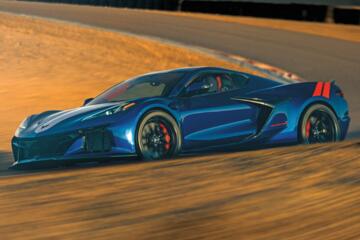
Modern magnetic ride control systems, found in the Chevrolet Corvette C8 and various Audi RS models, are essential for daily use. These systems adjust the shock absorbers' stiffness in milliseconds based on road conditions. On a potholed city street, the magnets soften the ride to mimic a luxury sedan; on a highway ramp, they stiffen to eliminate body roll, ensuring the car remains composed regardless of the surface.
Prioritize Visibility
A true daily driver requires excellent outward visibility to manage lane changes in dense traffic. While mid-engine layouts often suffer from massive blind spots, the Porsche 911 remains the gold standard for visibility due to its upright A-pillars and large glass area. Using blind-spot monitoring systems from brands like Bosch is helpful, but nothing replaces the confidence of clear sightlines when navigating tight urban environments.
Transmission Choice
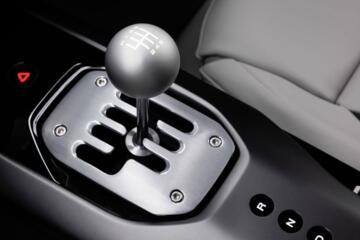
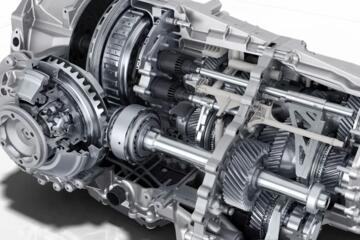
While the "save the manuals" movement is strong, a dual-clutch transmission (DCT) like Porsche’s PDK or BMW’s M-DCT is often superior for daily duties. These gearboxes offer a "creep" function for traffic and lightning-fast shifts for spirited driving. Data shows that DCT-equipped cars often retain higher resale value in the used market because they appeal to a broader range of drivers who face daily congestion.
Evaluate Cargo Utility
Practicality is measured in liters and cubic feet. The "frunk" (front trunk) in the Tesla Model 3 Performance or the Corvette C8 allows for a surprisingly high volume of groceries. Hatchback designs, like those found on the Volkswagen Golf R or the Audi RS5 Sportback, provide a level of utility that traditional two-door coupes cannot match, making them the logical choice for those with an active lifestyle.
Infotainment Standards
A daily driver is a mobile office and entertainment hub. Integration of wireless Apple CarPlay and Android Auto is non-negotiable for modern commutes. Systems like BMW’s iDrive 8.5 or Mercedes-Benz MBUX provide real-time traffic updates via TomTom or Google Maps data, allowing you to bypass accidents. High-fidelity audio systems from Burmester or Bang & Olufsen help mask road noise during long highway stints.
Fuel and Range Logistics
Daily driving requires a manageable fuel range. Vehicles with small tanks and high consumption, like certain older V12 models, require stops every 200 miles, which becomes a chore. Modern turbocharged four and six-cylinder engines provide a "split personality"—achieving 30+ MPG on the highway while delivering 400+ horsepower when requested. Look for vehicles with a "Comfort" or "Eco" mode that actually alters throttle mapping.
Real-World Successes
A marketing agency executive in Los Angeles traded a luxury SUV for a Porsche 911 Carrera. Despite concerns about the "low" car, the 911’s front-axle lift system prevented scraping on the office's steep ramp. Over 12 months, the owner put on 12,000 miles, utilizing the rear seats for soft luggage and enjoying a 22 MPG average. The car’s value depreciated less than the SUV it replaced, proving that high-end sports cars can be sound financial decisions.
A software engineer in Seattle chose a BMW M3 Competition with xDrive for his daily 30-mile commute. The all-wheel-drive system provided necessary traction during rainy winters, while the four-door configuration allowed for child seats in the back. By utilizing specialized independent shops like those listed on BimmerShops for routine maintenance rather than dealerships, the owner kept annual service costs under $1,200 while maintaining a full service history.
Daily Driver Checklist
| Feature | Why It Matters | Recommended Spec |
|---|---|---|
| Clearance | Avoids underbody damage | 4.5"+ or Lift Kit |
| Radius | U-turns & tight parking | Under 36 feet |
| Tires | All-weather safety | UHP All-Season |
| Insulation | Reduces driver fatigue | Acoustic Glass |
| Warranty | Covers tech failures | CPO Package |
Common Ownership Traps
One major error is choosing the "Track Edition" of a popular model. Packages that include bucket seats without heating or adjustment, removed sound deadening, and stiffened bushings are miserable for daily use. Brands like Porsche (GT3 RS) and BMW (CSL) offer these, but they are designed for the circuit. Stick to the "S" or "Competition" trims for the best balance of performance and civility.
Another mistake is neglecting the impact of wheel size. While 21-inch wheels look impressive, they offer very little tire sidewall to absorb impacts. For a daily driver, opting for the 19 or 20-inch wheel option provides a "cushion" that protects the rims from bending on potholes. Replacing a single forged alloy wheel can cost between $800 and $2,500, making wheel insurance a highly recommended service at the time of purchase.
FAQ
Which sports car has the lowest maintenance costs?
The Mazda MX-5 Miata and the Toyota GR86 lead the category. Their naturally aspirated engines and shared components with mass-market models keep parts and labor costs significantly lower than European counterparts.
Is all-wheel drive necessary for a daily sports car?
It depends on your climate. In the "Sun Belt," rear-wheel drive is perfectly adequate. However, in regions with snow or heavy rain, systems like Audi’s Quattro or BMW’s xDrive provide a safety margin that makes the car usable 365 days a year.
What is the best mileage for a used daily driver?
Look for vehicles in the 15,000 to 30,000-mile range. These cars have already taken the initial "drive-off-the-lot" depreciation hit but are still new enough to have remaining factory warranty and minimal wear on consumables.
Can I fit a car seat in a 911 or an LC500?
The Porsche 911 has LATCH points and can fit specific seats like the Wayb Pico or Cybex Aton. The Lexus LC500 has rear seats, but legroom is almost non-existent; it is better suited for short trips or very small children.
Should I wrap my daily driver in PPF?
Yes. Paint Protection Film (PPF) from brands like XPEL or SunTek is essential for daily drivers to prevent rock chips from highway debris, preserving the car's resale value and aesthetic appeal.
Author’s Insight
In my two decades of testing performance machinery, I have found that the "best" car is the one you aren't afraid to park in a public lot. I spent a year daily driving a mid-engine exotic and realized that the stress of door dings and steep driveway angles ruined the experience. My transition to a Porsche 911 Turbo S taught me that true luxury is capability without anxiety. My advice: always prioritize the front-axle lift and the upgraded sound system over carbon fiber interior trim; your ears and your bumper will thank you.
Summary
Selecting a sports car for daily use requires moving beyond horsepower figures and focusing on ergonomics, visibility, and adaptive technology. By choosing models with adjustable suspensions, modern connectivity, and reasonable maintenance schedules, you can enjoy an engaging driving experience every day of the week. Prioritize a vehicle that balances emotional excitement with mechanical reliability to ensure your investment provides value both on the open road and in the morning commute.