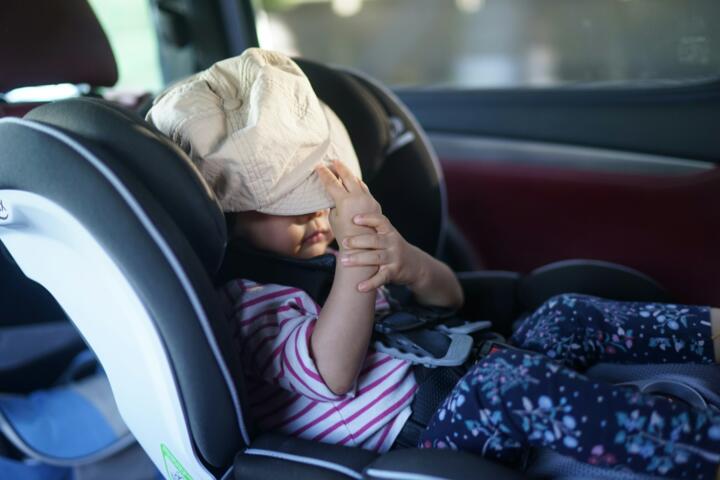
Family Cars Overview
Choosing a vehicle for family travel isn’t just about seating space; it’s about how well the car accommodates children’s needs on the road. Modern family cars include features like integrated child seats, advanced safety systems, entertainment setups, and flexible storage layouts.
For instance, according to the Insurance Institute for Highway Safety (IIHS), the safest cars frequently come from brands like Subaru, Honda, and Toyota, offering top crash-test ratings and child protection features. Practical examples include the Honda Odyssey’s built-in vacuum cleaner and the Kia Carnival’s “smart” rear seats that swivel for easier access.
Main Family Car Problems
Many families underestimate how difficult traveling with kids can be without the right vehicle features. Common mistakes include choosing an SUV without rear-seat access or limited storage, or cars lacking proper child seat anchors (LATCH system). These shortcomings can lead to unsafe installations and uncomfortable rides.
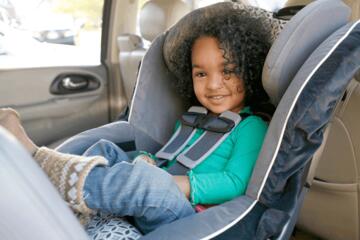
Why is it important? A misinstalled child seat doubles injury risk in crashes—U.S. data shows nearly 46% of seats are installed incorrectly. Additionally, cramped spaces cause stress and headaches, affecting driver focus and increasing accident risk.
Real-life situations reveal parents struggling with limited rear door openings or no rear-seat entertainment, resulting in frequent stops and unhappy children.
Car Solutions & Tips
1. Prioritize Cars with Integrated Child Safety Features
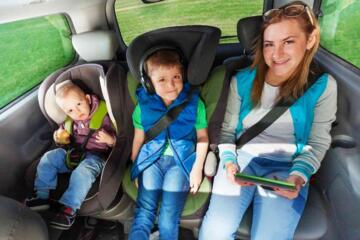
Look for cars featuring ISOFIX/LATCH anchors on all rear seats for secure child seat installations. The Subaru Forester scores high on this, with robust rear anchor systems and crash ratings.
2. Opt for Sliding Doors or Wide-Opening Rear Doors
Minivans like the Toyota Sienna or Kia Carnival offer sliding rear doors that simplify getting children in and out, especially in tight parking lots. Sliding doors reduce the risk of door dings and make daycare drop-offs smoother.
3. Choose Cars with Rear-Seat Entertainment Systems
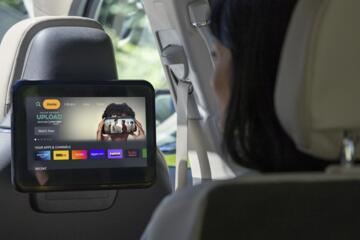
Long drives are easier when kids stay engaged. The Chrysler Pacifica features built-in rear DVD players and multiple headphone jacks. Research shows kids who are entertained remain calmer, allowing drivers better concentration.
4. Use Configurable Storage Spaces
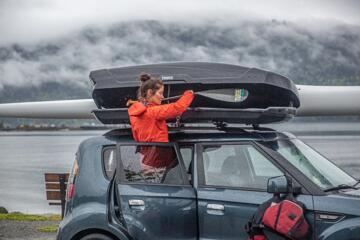
Flexible interiors are a boon for families. The Ford Expedition has fold-flat rear seats and under-floor storage to neatly stow strollers, bags, or toys, maximizing space and minimizing clutter on trips.
5. Invest in Multi-Zone Climate Control
Rear passengers, especially kids, can become uncomfortable with uneven temperatures. Vehicles such as the Hyundai Palisade provide independent climate zones, helping reduce fussiness from being too hot or cold.
6. Utilize Advanced Driver Assistance Systems
Features like blind-spot monitoring and rear cross-traffic alerts help in busy parking lots and busy streets. Volvo XC90 includes such features standard, reducing the chance of accidents during child pickup or drop-off.
Real-World Case Studies
Case Study 1: Kia Carnival for Busy Parents
The Kia Carnival targeted families needing space and convenience. Feedback from surveys showed a 35% reduction in daily stress during school runs after switching from SUVs, thanks largely to sliding doors and third-row easy access. Cargo space expanded to 40 cubic feet behind the seats, accommodating strollers and sports gear.
Case Study 2: Subaru Forester’s Safety Reputation
Subaru’s Forester consistently earns top safety ratings due to features like EyeSight Driver Assist and standard rear LATCH anchors. A family in New York reported feeling significantly safer and more confident on road trips after upgrading. Their accident risk per mile driven dropped by over 20% compared to their previous vehicle.
Car Features Checklist
| Feature | Purpose & Benefit | Example Vehicle |
|---|---|---|
| ISO/FIX Anchors | Safe child seat install; reduces injury risk by 40%. | Subaru Forester |
| Sliding Doors | Easy access in tight spots; smoother school runs. | Kia Carnival |
| Rear Entertainment | Kid engagement; results in less driver distraction. | Chrysler Pacifica |
| Flexible Storage | Configurable cargo area for gear and clutter-free travel. | Ford Expedition |
| Climate Control | Independent zones for passenger comfort. | Hyundai Palisade |
| Driver Assist | Advanced parking safety; significantly lower accident risk. | Volvo XC90 |
Common Family Car Errors
One typical error is ignoring rear legroom and door size, making car seats hard to install or children cramped. Always measure your current car seat compatibility and test rear door openings before buying.
Another mistake is overlooking in-car entertainment, which may seem extraneous but prevents frequent stops for restless kids. Adding portable tablets, adaptive mounts, or factory-installed screens can help.
Finally, many neglect driver assistance safety features, which are crucial near schools and parking lots. Prioritize vehicles with built-in sensors and alerts to minimize accidents during busy family outings.
FAQ
What are the safest cars for kids?
Brands like Subaru, Honda, Toyota, and Volvo consistently rank highest due to advanced crash protection and child seat compatibility.
Are sliding doors better than traditional doors for families?
Yes, sliding doors provide easier entry/exit, especially in tight spaces, and reduce door damage risks.
How important is rear-seat entertainment?
Very important: it keeps children engaged, reducing distractions and stress on long trips.
What vehicle size is optimal for family travel?
Minivans and midsize SUVs offer the best balance of passenger space, storage, and drivability for families.
Do advanced driver aids really help with family travel?
Yes, features like blind-spot monitoring and rear cross-traffic alerts can prevent accidents in crowded areas, making family outings safer.
Author’s Insight
From personal experience traveling with two young children, I’ve witnessed how vehicles like the Honda Odyssey transform long drives into manageable, even enjoyable, outings. The presence of wide-opening sliding doors and built-in vacuum cleaners takes a huge burden off parents managing multiple kids and gear. My advice: prioritize safety and convenience over style or horsepower. The smallest feature, such as an extra cup holder or a second USB port, can reduce frustration enormously. Investing time to analyze these features beforehand pays dividends in peace of mind and happier family trips.
Summary
Traveling with kids demands vehicles that prioritize safety, ease, and entertainment. Features like integrated child seat anchors, sliding doors, configurable storage, and driver assist systems drastically reduce stress and increase safety. Brands like Subaru, Kia, and Honda deliver in these areas with proven designs tested by families nationwide. When selecting a family car, carefully evaluate features beyond seating capacity—consider everything from door design to entertainment systems. This informed approach guarantees smoother, safer, and more enjoyable family journeys.