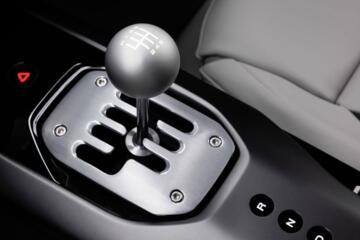
Affordable Sports Luxury
The concept of a "cheap sports car that feels expensive" combines cost-effectiveness with premium attributes such as superior handling, refined interiors, and strong performance. In the automotive market, "cheap" typically means entry-level sports cars priced under $40,000 new or high-quality used models with depreciation benefits. Brands like Mazda, Subaru, Toyota, and Ford have models that blend affordability with luxury-like features.
For example, the Mazda MX-5 Miata, starting around $28,000, offers a nimble chassis and an engaging driving dynamic that rivals many $50,000 sports cars. According to the IHS Markit depreciation statistics, sports cars like the Miata retain approximately 70% of their value after three years, highlighting their lasting appeal.
Key Purchasing Problems
Ignoring Long-Term Costs
One major mistake is underestimating maintenance costs and insurance premiums. Many buyers focus solely on the sticker price, only to find luxury-feeling sports cars can incur higher upkeep due to specialized parts and advanced engineering.
Overlooking True Driving Experience
Some affordable sports cars may look expensive on paper but fall short in driving dynamics. Buyers often rely on aesthetics instead of performance metrics such as horsepower-to-weight ratio, suspension quality, and chassis tuning, which are key drivers of 'expensive' feels.
Falling for Appearance Over Substance
Marketing and styling cues can mislead buyers into thinking a car is premium. Unfortunately, cheap interior materials and lack of technological features can diminish the overall ownership experience.
These issues matter because they affect satisfaction, resale value, and ownership costs. For instance, a buyer might purchase a flashy used Porsche Cayman for $35,000 but face annual maintenance costs exceeding $2,000, which outpaces owning a more affordable, reliable model with similar performance.
Strategic Solutions
Choose Proven Models with Enthusiast Backing
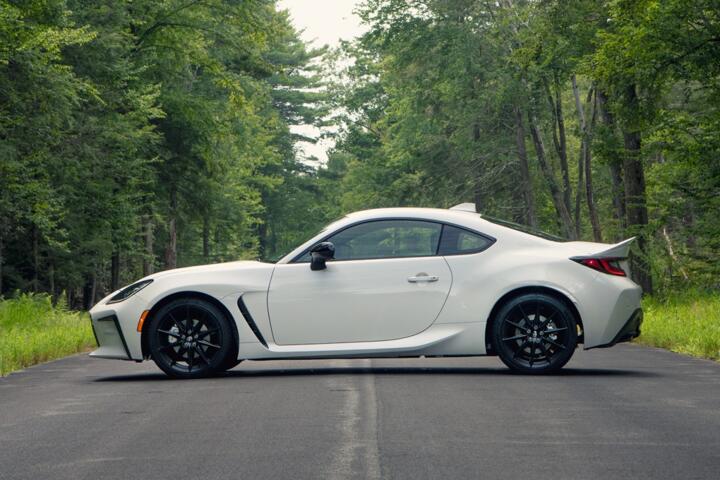
Focus on cars renowned for their balance of cost, performance, and reliability. The Mazda MX-5 Miata and Subaru BRZ/Toyota GR86 twins are excellent examples. Their active enthusiast communities and aftermarket support allow owners to enhance the driving feel without exorbitant costs.
Why it works: These models blend lightweight engineering with spirited engines, providing an engaging drive. They typically cost between $25,000 and $35,000 and maintain strong resale values.
In practice: Join forums like Miata.net or Subaru-BRZ.org to access tips on tuning and maintenance, helping keep repair costs low.
Leverage Certified Pre-Owned (CPO) Programs
Buying CPO vehicles from brands like BMW (Z4), Porsche (Boxster), or Audi (TT) can deliver luxury feel at reduced risk. CPO cars undergo rigorous inspection and come with extended warranties.
Why it works: Protection against unforeseen repairs and certification enhances trust and value.
Example: A 2017 BMW Z4 sDrive28i CPO model may cost around $38,000, with warranty coverage up to 100,000 miles, mitigating typical fear of expensive repairs.
Focus on Driving Dynamics Over Trim Levels
Rather than chasing top trims loaded with gadgets, prioritize mechanical features like more horsepower or sport-tuned suspension. For example, a base Toyota GR86 offers more engaging performance than a fully loaded but heavier sedan.
Use Reputable Inspection Services
Employ pre-purchase inspection services like Lemon Squad or YourMechanic, which provide detailed reports on used sports cars, helping avoid hidden defects that could triple ownership costs.
Consider Aftermarket Upgrades Sensibly
Enhancements like coil-over suspension kits or performance exhausts can improve driving feel and sound, increasing perceived luxury without the new car price premium.
Real-World Successes
Case Study 1: Mazda MX-5 Miata – Enthusiast Choice
Company: Mazda
Problem: Buyers wanted an affordable, fun-to-drive sports car without luxury car prices.
Solution: The MX-5 combines lightweight design, rear-wheel drive, and responsive steering. The 2019 model with a 2.0L engine delivers 181 hp and 151 lb-ft torque.
Result: Over 1 million units sold worldwide by 2020. Car and Driver listed it as one of the best affordable sports cars, maintaining high resale value and owner satisfaction.
Case Study 2: Subaru BRZ/Toyota GR86 – Twin Sports Coupes
Company: Subaru and Toyota
Problem: Create a low-cost sports coupe emphasizing driving enthusiast needs.
Solution: Technology-shared platforms with naturally aspirated flat-four engines around 200 hp, lightweight chassis, and balanced weight distribution.
Result: Praised in Motor Trend for precision handling at price points around $30,000. Owners report under $600 annual maintenance on average.
Model Comparison
| Model | Performance (HP / 0-60) | Cost Details (Price/Maint) | Resale (3Y) |
|---|---|---|---|
| Mazda MX-5 | 181 hp / 5.7s | $28,000 / $500 yr | 70% |
| Subaru BRZ | 228 hp / 6.1s | $29,500 / $600 yr | 68% |
| Mustang Eco | 310 hp / 5.1s | $28,000 / $700 yr | 65% |
| Porsche Boxster | 300 hp / 5.0s | $38,000 / $2,200 yr | 60% |
How to Avoid Mistakes
Skipping Pre-Purchase Inspections
Many buyers skip thorough inspections on used sports cars, leading to costly surprises. Always invest in a professional inspection, especially for CPO or private sales.
Ignoring Insurance Differences
Sports cars often have higher premiums; compare insurance quotes beforehand to avoid financial strain.
Choosing Style Over Substance
Don’t be swayed solely by looks. Test drive extensively and research performance reviews to ensure the car’s driving feel meets expectations.
Over-customizing Too Soon
Jumping into expensive modifications without understanding your car’s base capabilities can be a money pit. Build up gradually and leverage community advice.
FAQ
What defines a "cheap" sports car?
Typically, sports cars priced under $40,000 new or $25,000 used that deliver sporty performance and distinct styling fit this category.
Can I get luxury features in affordable sports cars?
Yes, many models offer premium touches like leatherette upholstery, infotainment systems, and advanced safety technology at lower price points.
How reliable are budget sports cars?
Brands like Mazda and Toyota are known for reliability, especially if maintained well. Proper inspection and service history are critical.
Are used sports cars a good value?
Often yes. Sports cars depreciate quickly, so buying lightly used can provide luxury feel without premium costs.
What are the cheapest sports cars with great performance?
Mazda MX-5 Miata, Subaru BRZ/Toyota GR86, and Ford Mustang EcoBoost are top candidates offering spirited driving at affordable prices.
Author's Insight
From my years of experience testing and tuning sports cars, affordability and driving enjoyment are not mutually exclusive. The MX-5 Miata has personally impressed me with its precision and rewarding drive, despite a modest engine size. Ensuring proper maintenance and joining enthusiast communities amplifies value and satisfaction. My advice: focus on the driving experience and long-term costs rather than flashy badges. Quality over quantity provides the luxury feel on a budget.
Summary
Affordable sports cars that feel expensive do exist, and with careful selection and smart buying practices, drivers can enjoy the thrill and refinement usually reserved for high-end models. Prioritize renowned models like Mazda MX-5 or Subaru BRZ, use pre-purchase inspections, and consider certified pre-owned options. Avoid common pitfalls by focusing on maintenance costs and driving dynamics, ensuring a rewarding experience without financial regret.