Truck Costs in 2026
In 2026, the decision between diesel and gasoline trucks is more critical than ever due to fluctuating fuel prices, tightening emissions standards, and shifting maintenance demands. This guide addresses fleet managers, owner-operators, and business buyers facing this exact dilemma. It clarifies ownership cost components, examines prevailing market realities, and offers expert-validated strategies to make the most cost-effective choice for different use cases.
Understanding Cost Components
Ownership cost includes acquisition, fuel, maintenance, insurance, taxes, depreciation, and resale value. Diesel trucks traditionally command higher purchase prices, often 15-25% above comparable gasoline models—Chevrolet Silverado HD vs. Silverado 1500 exemplifies this. However, diesel engines offer up to 30% better fuel economy, particularly noticeable in long-haul scenarios where Class 3-7 trucks operate extensively.
Fuel Economy and Pricing
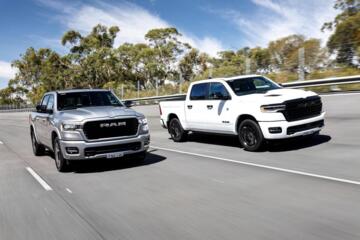
In 2026, average diesel prices hover around $4.50 per gallon nationally, with gasoline slightly lower at $3.90 per gallon (U.S. Energy Information Administration). Diesel trucks often deliver 20-30% better miles per gallon due to lean burn engines and turbocharging — found in Ford Super Duty and Ram 2500 diesel series—translating into tangible fuel expense savings over time.
Main Problems
Underestimating Maintenance Costs
Owners frequently overlook that diesel repairs, especially turbo, injection systems, and particulate filters, can cost 40% more than gasoline systems due to complexity and parts cost. Ignoring scheduled maintenance can lead to drastic increases—up to $10,000 in engine rebuilds for a Cummins 6.7L if neglected.
Depreciation and Resale Risks
Diesel trucks hold value better under heavy-use conditions but can depreciate faster if emissions compliance or usage profile doesn't align with market demand. Gas trucks, like the Toyota Tundra, depreciate quicker but have a larger resale market, easing eventual fleet replacement.
Fuel Price Volatility Impact
Fluctuating diesel fuel prices can inflate operational costs unpredictably. Unlike gasoline trucks that may benefit from urban availability and price stability, diesel fleet operators must hedge fuel procurement or accept margin squeezes, affecting profitability.
Common Solutions
Optimizing Maintenance Schedules
Adopt manufacturer-recommended intervals using companies such as NAPA Truck Service. For Cummins and Ford diesel engines, proactive DEF (Diesel Exhaust Fluid) monitoring and injector cleaning every 25,000 miles minimize costly failures. Gas trucks benefit from simple oil and spark plug services every 7,500 to 10,000 miles, reducing downtime.
Choosing Based on Usage Patterns
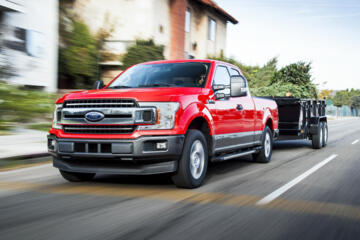
For long-distance, heavy payload fleets, diesel is cost-effective due to superior torque and fuel economy. Light urban delivery or short trips typically favor gasoline trucks, such as the Ford F-150, for lower upfront cost and simpler maintenance.
Utilizing Fleet Management Software
Implement tools like Fleetio or Verizon Connect to monitor fuel use, maintenance schedules, and driver behavior. Data-driven decisions reduce downtime and identify early signs of component wear, saving thousands annually on both diesel and gas fleets.
Leveraging Incentives and Rebates
Check for 2026 state-specific incentives on clean diesel technology adoption or gasoline vehicles meeting stricter emissions standards. The EPA and state governments often provide grants that can offset initial higher diesel costs or upgrade old fleets.
Case Studies
Case Study 1: Midwest Logistics Inc.
Problem: Excessive fuel costs and unplanned diesel truck repairs causing budget overruns.
Action: Switched 30% of fleet to gasoline trucks for short-haul; implemented Fleetio for predictive maintenance.
Result: 15% reduction in total maintenance cost and 10% fuel expense savings over 12 months.
Case Study 2: Western Freight Haulers
Problem: Aging gasoline fleet with poor MPG performance.
Action: Transitioned 40% of vehicles to Ram 3500 diesel models; utilized bulk diesel purchase contracts.
Result: Improved fuel economy by 28%, ROI positive in 18 months through lower fuel and maintenance costs.
Comparison Table
| Cost Factor | Diesel Trucks | Gasoline Trucks |
|---|---|---|
| Initial Price | 15-25% higher | Lower upfront cost |
| Fuel Economy | 20-30% better MPG | Lower MPG avg |
| Fuel (2026) | $4.50/gal | $3.90/gal |
| Maintenance | Higher, complex | Lower, simpler |
| Suitability | Heavy-duty, long haul | Light duty, urban |
Common Mistakes
Ignoring Total Cost of Ownership
Many focus solely on fuel costs or purchase price. Calculate complete spend on fuel, maintenance, insurance, tax, and depreciation before deciding.
Skipping Preventive Maintenance
Diesel engines especially demand strict adherence to service intervals; neglect leads to expensive repairs.
Choosing Based on Brand Loyalty Alone
Base decisions on truck use case and data, not only brand reputation or anecdotal evidence.
Neglecting Fuel Price Trends
Use hedging or contracts where possible to mitigate diesel price spikes, critical for fuel-intensive fleets.
FAQ
Is diesel better for all types of hauling?
Diesel excels in heavy-duty, long-distance hauling due to its torque and fuel efficiency, but for lighter loads or city driving, gas trucks can be cheaper and easier to maintain.
How much more does diesel maintenance cost compared to gas?
Diesel maintenance can be up to 40% higher, mainly due to complex components like turbochargers and emission systems, yet lower frequency of services can offset some costs.
Are diesel trucks more expensive to insure?
Insurance premiums are generally slightly higher for diesel trucks because of their higher replacement costs and commercial use but vary by provider and usage.
Can diesel trucks run on biodiesel in 2026?
Many modern diesel engines support biodiesel blends up to B20; however, it’s essential to follow manufacturer guidance to avoid warranty issues.
What brands offer the most cost-efficient diesel trucks?
Ram 2500/3500 with Cummins engines, Ford Super Duty with Power Stroke, and Chevrolet Silverado HD series are leading in balancing cost, reliability, and resale value.
Author's Insight
From managing fleets for over a decade, I've seen diesel trucks dominate long-haul routes but become costly in urban delivery due to maintenance and downtime. I recommend assessing total miles, payload, and driving environment before committing. Investing in good monitoring software like Fleetio immediately pays off through preventive maintenance savings. Ultimately, understanding the subtle cost trade-offs, not just headline fuel numbers, ensures smarter ownership decisions.
Summary
Choosing between diesel and gas trucks in 2026 requires a detailed, data-driven evaluation of all ownership costs. Diesel offers unparalleled fuel economy and torque for demanding operations but demands higher maintenance investment. Gasoline trucks suit lighter, urban applications with lower upfront costs and simpler repairs. Utilize fleet management tools, adhere to maintenance, and monitor fuel prices closely to optimize expenses. This strategic approach maximizes return and minimizes surprises over your truck’s lifecycle.