Understanding Bed Size
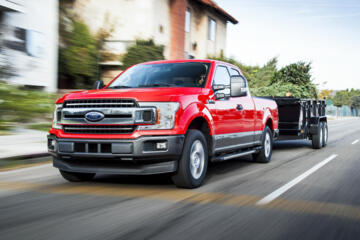
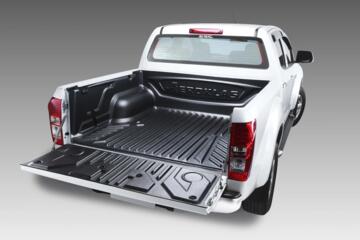
Pickup bed size refers to the length and width of the cargo box at the back of the truck. Typically, full-size pickups offer beds ranging from 5.5 feet to 8 feet, while midsize trucks sometimes max out near 6.5 feet. For example, the Ford F-150 comes with bed sizes including 5.5, 6.5, and 8 feet options, accommodating various uses. Cargo volume changes dramatically with just a foot of bed length—the 8-foot bed holds roughly 2,000 pounds or about 52 cubic feet of material or gear packed flat.
If you haul lumber, gear for work, or bulky camping supplies, bed size determines what fits flat without overhang. A longer bed means less stacking and fewer tie-down struggles. Beyond raw space, the bed width—usually near 60 inches inside—impacts how pallets or toolboxes settle. Some trucks offer wider beds but sacrifice rear passenger space or overall vehicle length, which influences parking and turning radius in tight neighborhoods.
Bed depth also varies, affecting carry volume and ease of loading. Higher sides contain loose materials better but make loading awkward if the bed is too tall to step into comfortably. Pickup beds often feature integrated tie-downs and bed liners, but size dictates the overall capacity and practical use. I’ve found even a half-foot difference in bed length can prevent trips to hardware stores.
Overall, pickup bed size is a concrete measurement shaping everyday utility, yet it’s often overlooked when choosing a truck. Size influences what daily tasks feel easy or cramped.
Bed Size Misconceptions
Many buyers focus on engine specs or cab style, glossing over bed dimensions. They assume a standard bed fits all needs, which leads to surprises. One frequent error is buying a short 5.5-foot bed for transporting longer items like 10-foot plywood sheets. Those sheets inevitably stick out, posing safety and legal headaches if not secured well.
Another misconception stretches to handling—the longer the bed, the tougher it is to park or navigate city streets. Some buyers dodge larger beds thinking their maneuverability will plummet but overlook that bed length affects turning radius less than wheelbase or overall truck length. The confusion around bed size forces many to settle for suboptimal cargo space or overpay for trucks too bulky for daily driving scenarios.
Work crews loading tool chests often overlook width, only to find some storage solutions won’t fit side-by-side or lock in place without shifting. Small businesses renting trucks usually underestimate bed size impact on efficiency. Every extra foot of bed length reduces trips, cuts loading time, and lowers fuel consumption from multiple errands.
In one instance, a landscaper in Denver found his 6-foot bed forced him to stack bags of soil or mulch precariously, leading to spills and delays. Switching to an 8-foot bed reduced these issues and added security, showing how size correlates directly to operational ease.
Tips for Bed Size Usage
Choose Based on Load Types
Estimate typical cargo length and volume. Measure common loads like lumber, machinery, or outdoor gear. Most 6.5-foot beds fit 4x8 sheets at an angle; 8-foot beds fit those sheets flat. A carpenter hauling 2x4s daily benefits from longer beds for flat loads.
Consider Bed Width for Accessories
Width matters when installing toolboxes or bed racks. Wider beds confer more flexibility but often entail crew cabs that grow the truck’s footprint. Toolboxes from brands like Dee Zee or Weather Guard have standard widths; check specs before assuming they fit.
Balance Bed and Cabin Size
Extended cabs or crew cabs shrink available bed length. Tradespeople needing space for coworkers might sacrifice bed size. The Ford SuperCrew with a 5.5-foot bed exemplifies this tradeoff—great passenger room but limited cargo length.
Use Bed Covers and Organizers
Tonneaus and bed caps protect cargo but reduce vertical space. Low-profile covers fit 5.5 to 6.5-foot beds precisely. Organizers like DECKED systems work best in wider beds with flat floors.
Watch Payload Limits
Longer beds often come on heavy-duty chassis with stronger suspensions. For example, an 8-foot bed on a RAM 2500 trades payload for size but supports over 3,000 pounds. Know your truck’s payload for safety and insurance.
Leverage Bed Height for Loading
Bed height affects loading ease. A taller bed might require step assists or tailgate extenders. For repeated heavy lifts, a mid-height bed around 22 inches off the ground minimizes strain.
Choose Smart Tie-Down Solutions
Longer beds mean more attachment points. Brands like Yakima and Thule offer adjustable tie-downs that fit various pickup bed sizes. The more secure your load, the safer the drive.
Factor Fuel Economy
Bigger beds add weight and surface area. Anecdotally, a longer bed on a 2023 Chevrolet Silverado lowered average MPG by nearly one point on highways, enough to dent budgets over time.
Maximize Bed Versatility
Deploy slide-out trays or cargo dividers for more control inside a large bed. Even a few inches of organized space prevent lost tools and wasted time.
Daily Use Case Examples
A landscaping company in Austin ordered a Chevrolet Silverado 1500 with an 8-foot bed after too many deliveries spilling mulch. The switch cut their average trip count from 3 to 2 per day and reduced loading time by 20 minutes daily. Their fuel expenses sank 8% after cutting extra runs.
Conversely, a tech startup in Seattle picked a Ford F-150 with a 5.5-foot bed to keep parking easy downtown. Although the bed size limited bulky gear transport, they use foldable storage tubs fitting exactly into that small space. Their daily runs are smooth, and maneuvering tight spots no longer triggers stress.
Pickup Bed Size Guide
| Bed Length | Best Use | Typical Truck | Cargo Volume (cu ft) |
|---|---|---|---|
| 5.5 feet | Urban, light loads | Ford F-150 SuperCrew | 37–40 |
| 6.5 feet | Multi-use, moderate cargo | Toyota Tacoma | 44–48 |
| 8 feet | Heavy-duty, long items | Chevrolet Silverado 2500 | 52–56 |
Common Errors to Avoid
Buying a truck with a bed too short for common loads creates frustration fast. Don’t pick a bed that forces layering or dangerous stacking. Next, avoid ignoring bed width—they vary, and too narrow confines storage options. Another misstep is disregarding cab size tradeoffs. Crew cabs reduce bed length but may be worth it if you need extra seats.
Failing to plan for securing cargo leads to damage or accidents. Beds with fewer tie-downs challenge safe hauling. Overestimating payload affects vehicle longevity and safety; heavy loads in a bed exceed suspension limits. Skipping test loading your typical materials wastes money. I’ve seen buyers regret last-minute cab swaps that reduced bed space after purchase.
FAQ
How do I measure my pickup bed size?
Measure length from the inside edge of the bulkhead to the inside edge of the tailgate, and width between the wheel wells and at the widest point. Include bed depth for full volume.
Does a bigger bed reduce fuel efficiency?
Usually, yes. A longer or wider bed adds weight and affects aerodynamics, lowering miles per gallon slightly—around 1 mpg in some cases.
Can I haul 4x8 sheets in a short bed?
Not flat. They usually fit diagonally on a 6.5-foot bed, but 8-foot beds carry them flat with no overhang.
Is bed size fixed, or can I extend it?
Some aftermarket manufacturers offer bed extenders or fold-down tailgate accessories, but they add complexity and aren’t ideal for heavy work.
Does bed size affect resale value?
Pickup buyers seek specific bed sizes based on use. A bed too small for work needs or too large for urban use may limit buyer interest.
Author's Insight
I’ve dealt with pickup beds across many trades—from landscape gardening to construction and delivery work. Over time, I learned that a foot difference in bed length means countless fewer trips and less tailgate wrestling. My favorite configuration balances a 6.5-foot bed with a crew cab, giving good passenger space without killing cargo room. I also recommend testing load fit before deciding—some trucks look roomy on paper but frustrate loading routines. Bed size shapes your whole pickup experience.
Summary
Pickup bed size directly influences cargo capacity, ease of loading, and daily driving challenges. Match your bed length and width to the materials and gear you haul most often. Remember that cab size, payload, and tie-down systems intertwine with bed dimensions for overall utility. Avoid common mistakes like underestimating cargo length or ignoring securing options. Focus on practical measurements and real-world use to pick the best bed size for your needs.