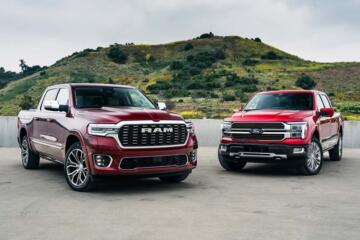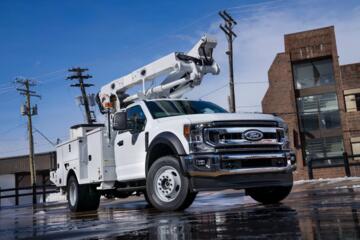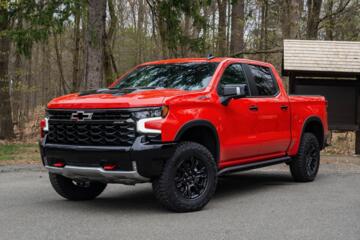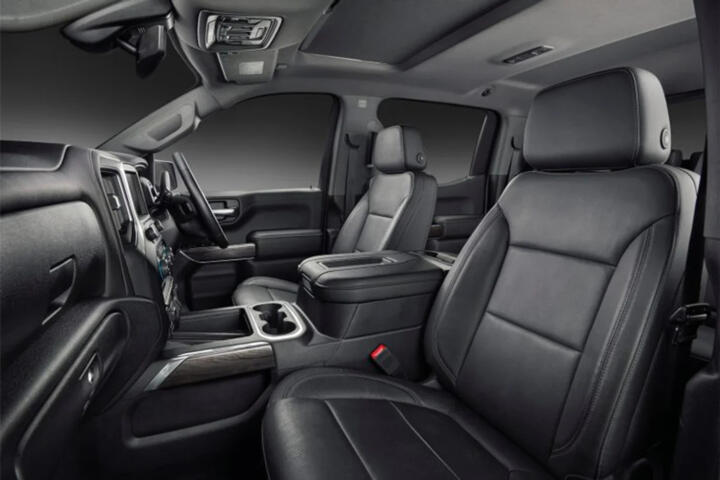
Cab Style And Real Space
Cab style changes interior space because it shifts the vehicle’s “packaging” around the wheelbase and the front-to-rear cabin length. A crew cab typically uses more of the wheelbase for seats, while a regular cab keeps the cabin shorter and leaves more length for the bed. That trade shows up in rear-seat legroom, door openings, and how far front seats can slide.
For a concrete reference, many full-size pickups offer rear-seat legroom around 35–45 inches in crew cabs, while regular cabs often have no true rear seat. Seat travel also matters: some trucks let front seats move roughly 6–8 inches fore-aft, which changes how much knee room rear passengers get. Cab style also affects cabin noise paths, since longer cabins can shift where the engine and exhaust resonances land relative to occupants.
Skip the “same model, same interior” assumption. Different cab lengths change where the floor hump sits and how the rear bench folds. That’s why vehicle type matters more than many buyers realize, especially when child seats, towing, and road trips enter the picture.
In the U.S., the EPA fuel economy label often shows combined mpg differences of 1–3 mpg between cab styles on the same engine, mainly due to weight and aerodynamics. Even small changes matter when you drive 12,000–15,000 miles per year and pay for fuel monthly. I’ve seen buyers focus on horsepower, then discover the rear door opening is too narrow for a bulky booster seat, which turns into a daily annoyance.
What Buyers Get Wrong
People often compare cab styles by looking at the front seats only. Rear-seat access is where cab geometry becomes obvious, because door opening width, seat cushion height, and whether the rear bench is split or fixed change how a child seat fits. A crew cab can look “similar” from the driver’s seat, yet still feel cramped behind the front passenger when the front seat is set for a tall driver.
Skip the brochure photo. It hides the floor hump, the seatbelt anchor positions, and the way the rear bench reclines, which affects child-seat installation. If you use a forward-facing seat, the top tether location and the seatback angle matter more than the advertised legroom number.
Cab style also changes storage. A longer cab can reduce under-seat storage in some designs, while a shorter cab can increase the usable space behind the front seats. That becomes a practical issue for road trips with strollers, coolers, and a toolbox. When you tow, the cab style can also affect how you pack gear behind the rear axle, since the bed length changes where weight ends up.
Financial consequences show up in depreciation and insurance. Crew cabs often cost more to buy new, and they can hold value differently because they match broader family demand. Insurance can vary by trim and engine, but cab style influences vehicle classing and sometimes repair costs due to door and panel complexity.
Real-world situation: a contractor buys a regular cab for a longer bed, then adds a rear seat later with a used child seat. The seat fits, but the rear access is awkward, and the front passenger seat must stay forward, which increases fatigue on longer routes. That’s the kind of mismatch that doesn’t show up in a 10-minute test drive.
Recommendations With Specific Checks
Measure Rear Seat Access
Do this: bring a tape measure and check door opening width and rear-seat entry clearance with the front seat set to your driving position. It works because the front seat position determines rear knee room, and door opening size determines whether you can install a child seat without fighting the seatbelt. In practice, you’ll notice that some crew cabs have a wider rear door opening, while others rely on a smaller opening that still looks fine until you try to buckle a harness.
Use a simple method: set the front seat to your preferred position, then slide a folded jacket into the rear footwell to gauge space. I’ve used a phone video (iPhone 14, camera at dashboard height) to compare how much the rear seatback reclines between trims. Record the floor hump height by feel, since it changes comfort for rear passengers with longer legs.
Outcome target: if a child seat base sits more than about 1–2 inches above the floor hump, you’ll likely feel it during longer rides.
Check Child-Seat Compatibility
Do this: verify the exact child-seat model’s manual for the vehicle’s seatbelt routing and tether anchor locations. It works because many seats require a specific belt path and top tether geometry, and cab style can change where anchors land. In practice, you may find that a split rear bench in a crew cab gives better access to the outboard anchors, while a regular cab’s rear seat may have fewer usable positions.
Use the manufacturer’s fit guide, then confirm in person. I once watched a buyer install a booster, then realize the buckle stalk interfered with the seatback angle, which forced a different seating position. That kind of mismatch is easy to miss when you only check “does it fit” instead of “does it fit correctly.”
Outcome target: aim for a seat that achieves a tight installation with less than about 1 inch of movement at the belt path, per most child-seat manuals.
Compare Cabin Noise Paths
Do this: test at two speeds, such as 30 mph and 65 mph, and listen for engine and tire noise differences between cab styles. It works because cab length changes where resonances reflect inside the cabin, and it changes how much of the bed is exposed behind the rear axle. In practice, a longer cab can sometimes feel quieter at highway speed, while a shorter cab can transmit more tire roar depending on tire size and wheel design.
Use a phone decibel app only as a rough reference, since placement and background noise skew results. I’ve seen readings vary by 5–8 dB just by holding the phone closer to the headliner. Still, consistent comparisons between cab styles on the same day can reveal which one feels less fatiguing.
Outcome target: if one cab style makes you raise your voice at 65 mph, that’s a real comfort cost over 200-mile days.
Account For Fuel Economy Changes
Do this: compare EPA combined mpg for the same engine and drivetrain across cab styles, then estimate annual fuel cost using your local gas price. It works because cab style affects weight and aerodynamics, which changes fuel burn even when horsepower stays the same. In practice, a crew cab can be 100–300 lb heavier than a regular cab, and that weight shows up in highway mpg more than city mpg.
Use a quick estimate: if the difference is 2 mpg and you drive 15,000 miles, you’ll burn about 150 gallons instead of 143. With $3.50 per gallon, that’s roughly $25–$30 per month. Exact numbers vary by route and tire pressure, but the direction usually holds.
Outcome target: if the mpg gap is more than 3 mpg, confirm with real-world reviews for your specific tire and axle ratio.
Plan For Towing And Payload
Do this: check the door-jamb payload sticker and the towing chart for the exact cab/bed combination. It works because cab style changes curb weight, which directly reduces payload and can affect max trailer weight. In practice, a crew cab with a heavier interior and rear seat can reduce available payload for tools, passengers, and hitch cargo.
Use the same hitch and trailer setup during test drives. I’ve seen buyers hit the towing limit on paper, then exceed it in real life by adding a full tank, a toolbox, and a few passengers. That’s where cab style matters: the “extra” rear seat weight can be the difference between comfortable margins and a tight load.
Outcome target: keep a safety margin of at least 10% under the published payload for daily use, especially with crosswinds.
Evaluate Maintenance And Repair Risk
Do this: price common wear items and body repairs for the cab style you want, focusing on doors, hinges, and rear seat components. It works because crew cabs add more door panels and rear seat hardware, which can raise repair costs after minor impacts. In practice, a rear door that’s frequently used by passengers can develop latch issues sooner, and rear seat belts and buckles are additional parts that can fail.
Use your insurer’s collision quote tool if available, or ask for a written estimate from a local body shop. I’ve noticed that labor rates and parts availability vary by region, so a national “average” can mislead. If you plan to keep the truck 8–10 years, repair frequency matters more than the first-year cost.
Outcome target: if the insurer quotes a $200–$400 higher annual premium for the crew cab, confirm whether it’s tied to trim level or cab-specific repair exposure.
Check Warranty Coverage And Service Access
Do this: compare warranty terms for the drivetrain and bumper-to-bumper coverage across trims that differ by cab style. It works because some trims bundle different electronics packages, and cab style can change which modules are installed. In practice, rear-seat heating, power sliding windows, or additional sensors can shift what’s covered and how often dealers need to update software.
Use the VIN to confirm coverage before purchase. A dealer can look up the exact warranty start date and term, and it avoids surprises if the vehicle is in service history. I’ve seen extended warranties tied to mileage limits that start counting from first retail sale, not from when the buyer takes delivery.
Outcome target: ask whether the infotainment and driver-assist modules have known update cycles, since those can affect appointment frequency.
Mini Case Studies With Numbers
Case 1: A logistics company bought a regular-cab 2.7L turbo pickup for route work. Problem: drivers needed to carry two techs and a child seat for one employee’s commute, and rear access slowed loading at job sites. What they did: they switched to a crew cab with the same 2.7L engine and similar axle ratio, keeping the bed length close to the prior model. Result: after 6 months, average stop time dropped by about 1.5 minutes per site, and the company reported fewer “repack” delays because rear seating made passenger transport predictable. They also saw insurance costs rise by roughly $150 per year, tied to the crew cab trim’s higher repair estimate.
Case 2: A family bought a mid-size SUV with a short-cabin configuration for parking ease, then added a third-row booster routine. Problem: the booster install required repeated adjustments, and the family complained about rear-seat access during school drop-offs. What they did: they moved to a longer-wheelbase variant with more rear door opening and a flatter floor area behind the front seats. Result: over a year, they estimated about 20–25 minutes per week saved on seat setup and entry, based on a simple log. Fuel economy dropped by about 1 mpg combined, which added roughly $120–$180 per year at $3.50 per gallon, but the time savings outweighed the cost for their schedule.
Cab Style Checklist For Buyers
| Check | Regular Cab | Crew Cab | What To Do |
|---|---|---|---|
| Rear seat access | Often limited | More usable entry | Set front seat, then test entry with your child seat |
| Legroom behind front | May be minimal | Typically higher | Measure knee clearance with a tape measure |
| Floor hump impact | Can intrude | Varies by model | Check outboard and center seating positions |
| Fuel economy | Often higher | Often lower | Compare EPA combined mpg for same engine |
| Payload and towing | More margin | Less margin | Use door-jamb payload sticker and towing chart |
| Body repair exposure | Fewer panels | More panels | Get insurer quotes for your ZIP code |
Common Mistakes And Fixes
Buying only by bed length is a common mistake. It happens because bed length is easy to visualize, while rear-seat usability takes time to test. The impact shows up during school drop-offs or when you carry tools and passengers together. Avoid it by doing a 15-minute “rear-seat routine” in the lot, including buckling and unbuckling a seatbelt.
Skip the assumption that all rear seats fold the same. It happens because trim packages differ, and cab style changes hinge locations. The impact is storage you can’t access when you need it, which turns into clutter. Avoid it by checking whether the seat folds flat, the latch location, and whether the cargo opening clears a cooler or toolbox.
Don’t ignore the mpg label difference. It happens because buyers focus on horsepower and towing ratings, not combined mpg. The impact is higher fuel cost over 3–5 years, especially with 20,000-mile annual driving. Avoid it by calculating annual fuel cost using your local price and the EPA combined mpg gap.
Don’t forget payload math. It happens because people load gear by habit, not by sticker limits. The impact is reduced towing margin and more strain on brakes and tires. Avoid it by weighing your typical load once, then comparing to the door-jamb payload and the trailer tongue weight requirements.
Skip the “rear seat is rarely used” logic. It happens because plans change after purchase, and rear seats become the default for friends, carpools, or family trips. The impact is daily frustration that you feel every week. Avoid it by testing rear entry with the person who will sit there most, even if it’s not you.
FAQ
How does cab length affect rear legroom?
Cab length affects rear legroom by changing how much of the wheelbase is dedicated to the cabin and where the front seat can slide. Even when two trucks share the same engine and wheelbase class, the cab style can shift the floor contour and the seatback position. In practice, the front seat’s fore-aft setting is the biggest variable, so set it to your driving position before judging knee room. For child seats, also check the floor hump and the seatbelt anchor locations, since those can reduce usable seating positions even when legroom looks adequate.
Does a crew cab always cost more to insure?
Not always, but it often trends higher because crew cabs can have more body panels, rear door hardware, and additional seatbelt components. Insurance pricing also depends on trim, engine, theft rates, and repair costs in your ZIP code. The only reliable method is a quote for the exact VIN or at least the exact year, trim, and cab style. If you’re comparing two vehicles with the same engine, ask the insurer to break down the difference, since it may be driven by trim-level equipment rather than cab style alone.
Will cab style change towing capacity?
Cab style can change towing capacity indirectly by changing curb weight and available payload. Many manufacturers publish towing limits by drivetrain and sometimes by cab/bed configuration, so you must check the towing chart for your exact setup. Even when max trailer weight is similar, payload can differ, which affects how much gear and how many passengers you can carry while towing. Also confirm tongue weight requirements, since a heavier cab can reduce the margin for tongue weight and hitch cargo.
How do cab styles affect fuel economy?
Cab styles often change fuel economy through weight and aerodynamics. A crew cab usually adds mass and can slightly worsen highway mpg, while a shorter cab can be lighter. The EPA combined mpg label is the best starting point, but real-world results depend on tire size, axle ratio, and driving speed. If the mpg gap is 2–3 mpg, the annual fuel cost difference can be noticeable for high-mileage drivers. Compare the label for the same engine and drivetrain, not just the model name.
What should I test during a child-seat install?
Test the installation with the exact child-seat model you plan to use, because fit guides vary by seat and vehicle. Check seatbelt routing, buckle location, and whether the seatbelt locks properly at the belt path. For tethered seats, confirm the top tether anchor location and that the tether strap angle doesn’t bind. Then do a physical movement test at the belt path; most manuals target less than about 1 inch of movement. Finally, verify rear passenger access after the seat is installed, since some cab styles make daily entry harder.
Author's Insight
Cab style changes interior space through packaging, not just “more seats.” Rear door opening size, floor hump shape, and seatbelt anchor placement often matter more than the headline legroom figure. Fuel economy and payload can shift with cab length because curb weight changes, even when the engine stays the same. If you’re shopping, treat the rear-seat routine—entry, buckling, and front-seat adjustment—as part of the test drive, not an afterthought.
Key Takeaways
Cab style determines how much usable rear space you get, how easily child seats install, and how much payload remains for towing and gear. Crew cabs usually improve rear access and passenger practicality, while shorter cabs can preserve bed length and sometimes improve fuel economy. Next step: compare EPA combined mpg and check the door-jamb payload sticker for the exact cab/bed combination, then test rear-seat entry with your child seat or your typical passenger. If you’re planning to tow, verify the towing chart and tongue weight margin for your configuration.
Limits exist: cab style alone doesn’t predict comfort, since seat design, tire choice, and sound insulation vary by trim. If you notice persistent rattles, seatbelt issues, or difficulty installing a child seat correctly, involve a qualified technician or the child-seat manufacturer’s support line before driving regularly.