Charging Basics Explained
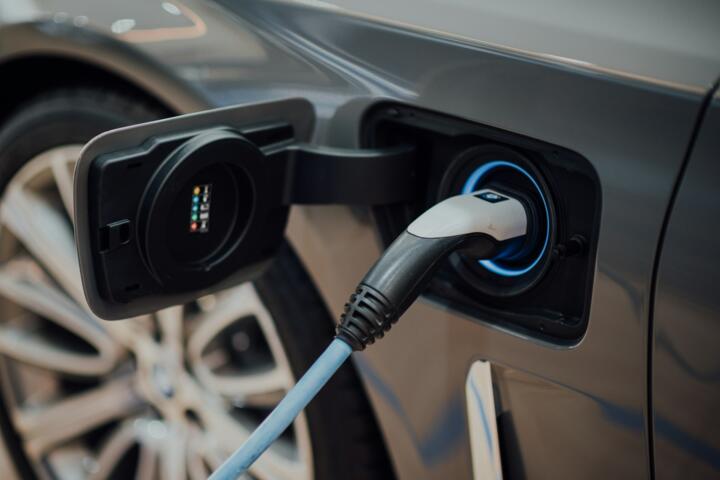
Electric vehicle charging is about transferring electricity into your car's battery. It doesn’t happen like gas pumps, but through cables, connectors, and charging stations. There are three main charging levels: Level 1 uses a standard 120V household outlet and adds about 4 miles of range per hour. Level 2 requires a 240V outlet with hardware installation and can deliver 20–30 miles per hour depending on the car and charger. Fast DC charging—also called Level 3—jumps to 100 to 350 kW and can add 200 miles in 15 to 30 minutes, though it’s more common at public stations.
For instance, Tesla’s Superchargers deliver up to 250 kW, cutting charging time significantly compared to a home charger. Most home EV chargers operate at around 7.2 kW (240V, 30 amps). Charging speed varies by battery size, vehicle acceptance rate, and power output. In fact, most EV owners charge at home over 80% of the time, relying on public chargers only when needed.
Common Charging Pain Points
Many newcomers mistake charging for simply ""plugging in"" without accounting for electrical capacity or connector compatibility. Skipping reading the vehicle’s charging specs limits how well you plan. Plugging a 7 kW charger into a system not rated for that current risks tripped breakers or slow charging. Public chargers sometimes require RFID cards, apps, or special subscriptions—details that cause confusion.
Not knowing charger types can lead to selecting incompatible stations, or worse, damaging cables or connectors. For example, some fast chargers use CCS Type 1 or 2 connectors, while others use CHAdeMO, rarely compatible without adapters. These issues restrict your driving range and add frustration during travel. Long charging sessions at inconvenient hours affect daily routines, making owners question EV practicality unnecessarily.
Practical Tips for Charging
Check Your Home Electrical Setup
What to do: Inspect your home’s electrical panel for capacity and existing loads before installing a Level 2 charger. Why it works: It prevents breaker trips or unsafe wiring conditions. Practice: Hire a licensed electrician to measure panel margin or install a dedicated 240V circuit. Tools: Electrical panel tester, electrician services. Typical results: Installation costs range $500–1,500, but a safer setup supports 7–11 kW chargers steadily.
Choose the Right Connector
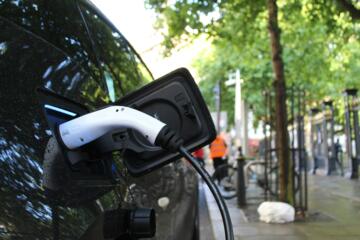
Match your EV’s inlet with the charger plug. Most North American EVs use SAE J1772 for AC charging and CCS for DC fast charging. Tesla vehicles add complexity with proprietary ports—though adapters exist. Getting the right connector avoids damage and ensures charging at expected rates. Practical example: My 2018 Chevy Bolt uses SAE J1772 for home charging and CCS for public DC fast charging. Knowing this saved me from buying an incompatible cable.
Install a Smart Charger
Smart chargers communicate with your EV and grid, offer scheduling, and track usage. They optimize charging during off-peak hours, saving money with utility demand charges. Apps from brands like JuiceBox, ChargePoint, or Enel X let you program sessions and monitor real-time power. In numbers: Scheduling a 7 kW Level 2 charger overnight cuts electricity costs by up to 30% in many regions with time-of-use rates.
Utilize Public Fast Chargers Wisely
Plan routes around reliable fast chargers via apps like PlugShare or EVgo. It reduces range anxiety. Avoid charging to 100% at fast DC stations—more than 80% slows speed drastically. This habit extends charger availability for others and minimizes battery heat. Chargers at 150+ kW can heat batteries quickly, causing degradation if overused frequently. Some models even limit charge speed intentionally, just FYI.
Understand Charging Speeds and Limits
Charging speed depends on the battery's state of charge, temperature, and max input power. Example: A 60 kWh battery accepting 7.2 kW AC takes about 8 hours to full charge from near empty. Fast DC charging reduces this to 30-45 minutes but stresses batteries more. Charging slower prolongs battery health. This tradeoff is crucial for daily users versus long-distance travelers.
Monitor Charging with Tools
Use apps or chargers with integrated monitoring to evaluate cycle costs and efficiency. Tesla’s mobile app, for example, reports charge speed, history, and estimated costs in real time. Non-Tesla owners have options like ChargePoint or Wallbox apps. These insights help find irregularities, like excessive standby consumption or unexpected drop in charge rate.
Get Familiar With Incentives
Many governments and utilities offer rebates for home charger installation or discounted public charging. Example: California’s Clean Fuel Reward program awards up to $750 back on home equipment purchases. Understanding these reduces upfront cost substantially, making EV adoption smoother and less painful to budget.
Keep Cables and Connectors Clean
Charging hardware lasts longer when protected from dirt, moisture, or mechanical stress. Wiping plugs and sockets with recommended cloths after every few uses stops corrosion. Damaged connectors reduce charging efficiency or block charging altogether. This attention to detail, which, frankly, most people skip, can prolong equipment lifespan by years.
Real-Life Examples
A medium-sized company in Austin installed 10 Level 2 chargers across its parking lot in 2021 to support employee EVs. Their initial issue was wide charge time variance caused by unbalanced panel loads. They upgraded to a smart charger system that allocated 30 amps per station dynamically, lowering employee charging time by 25%. Energy bills dropped 15% due to off-peak scheduling integration with the utility.
In another case, a family of four in Denver used a Tesla Model 3 and a Nissan Leaf. They faced frequent fast charger shortages on road trips during holidays. Purchasing a dual home charger with scheduled settings allowed overnight full charges and avoided public charger dependency. This change removed much trip stress and cut travel charging expenses by 40% annually.
Charging Options Compared
| Type | Voltage | Power | Charge Rate |
|---|---|---|---|
| Level 1 | 120 V | 1.4 kW | 4 mi/hr |
| Level 2 | 240 V | 7–11 kW | 20-30 mi/hr |
| Fast DC | 400+ V | 100-350 kW | 200 mi/15 min |
Common Errors and Fixes
Ignoring your vehicle’s manual on charging specs wastes efficiency. It’s annoying; sometimes slow charging isn’t the charger but the car’s acceptance limits. Overcharging to 100% routinely accelerates battery wear; stop at about 80% unless you travel far daily. Plugging into mismatched connectors risks hardware damage or charge failure. Skipping install permits for home equipment often voids warranties or causes insurance hassles. Checking app or account details before public charging avoids surprise fees or network lockouts. Simple but often missed.
FAQ
How long does Level 2 charging take?
Typically 4 to 8 hours for a full charge depending on battery size and charger power. For example, a 60 kWh battery at 7.2 kW takes about 8 hours.
Can I use a regular outlet to charge my EV?
Yes, but Level 1 charging is slow, adding roughly 4 miles of range per hour, suitable for overnight charging or short trips.
Do all EVs use the same charging connector?
No, AC charging mostly uses SAE J1772 in North America, but DC fast chargers may use CCS or CHAdeMO. Tesla uses proprietary connectors but offers adapters.
What affects charging speed besides the charger?
Battery temperature, state of charge, and vehicle’s max input power influence speed. Charging slows as battery nears full capacity.
Are public chargers always reliable?
No, some may be offline or occupied. Apps like PlugShare give real-time status and user feedback to plan ahead.
Author's Insight
From experience, many new owners underestimate the time and planning needed for efficient charging. I learned that installing a Level 2 charger at home paid off quicker than expected, saving hours weekly. Also, mixing slow charging habits with occasional fast DC use extends battery life better than hard daily fast charges. The little details — like cable care and app awareness — make a surprising difference in daily convenience.
Summary
Getting EV charging right requires knowing your equipment, electrical capacity, and charging behavior. Start by checking home electrical readiness, choose compatible connectors, and install smart home chargers. Use public fast chargers strategically, avoiding unnecessary 100% charges. Monitor costs and hardware health with dedicated apps. Avoid common errors such as ignoring limits or wiring issues. Charging doesn’t need to be complex, but it does demand attention and small adjustments.