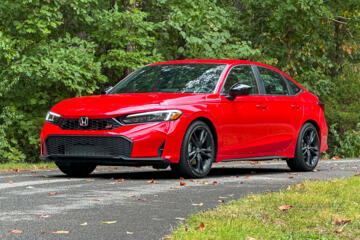
Sedan Lifespan Overview
Modern sedans have evolved significantly in durability compared to a decade ago. Advances in engine technology, manufacturing precision, and materials have extended average vehicle lifespans. For example, data from the U.S. Department of Transportation indicates that the average sedan lasts roughly 150,000 miles before major repairs become frequent. Yet, that number can swing widely depending on brand and upkeep.
Take the Toyota Camry or Honda Accord—models known for surpassing 200,000 miles with routine service. Conversely, some sedans might struggle beyond 100,000 miles without repairs that challenge their value. Factors like driving style, climate, and factory recalls play roles that deserve attention.
Durability Misconceptions
Many buyers assume that sedans automatically last 200,000 miles no matter the make or model. That belief leads to unexpected repair bills or premature vehicle replacement. The reality is that average lifespan varies dramatically between brands, models, and even trims.
Ignoring recommended maintenance schedules, such as oil changes and timing belt replacements, accelerates wear. For example, skipping a timing belt replacement every 60,000 to 100,000 miles — as many modern sedans require — can cause engine failure, forcing costly rebuilds.
Another overlooked factor is depreciation. When repair costs reach 50% of the car’s current value, many owners choose to sell instead of fix. This means some sedans that could technically last longer are often retired earlier due to financial considerations.
Tips for Longer Life
Follow Maintenance Schedules Precisely
The single most effective habit for extending a sedan’s lifespan is strict adherence to its factory service intervals. This includes regular oil changes every 5,000–7,500 miles depending on oil type, transmission fluid changes, brake servicing, and coolant flushes.
Use a maintenance tracker app or calendar reminder to avoid missed appointments. Following schedules minimizes stress on engine components and prevents premature breakdowns.
Choose Quality Fluids and Parts
Cheap oil or generic aftermarket parts can save money upfront but often cause long-term damage. Genuine OEM parts and manufacturer-recommended fluids deliver better protection and promote longevity. For example, high-quality synthetic oil can extend oil change intervals without sacrificing engine health.
Drive Moderately
Heavy acceleration, frequent short trips, and constant stop-and-go traffic wear down a sedan quicker. Driving at steady speeds, avoiding aggressive starts, and allowing engines to warm up properly drastically reduce internal wear. That’s why sedans used primarily on highways often reach higher mileage without major issues.
Monitor Key Components
Regularly inspect timing belts or chains, water pumps, and suspension parts—items commonly overlooked but essential. Timing belts in particular should never be bypassed. For instance, a failed timing belt on a 2018 Nissan Altima could mean a $1,200 engine repair.
Prevent Rust and Corrosion
Rust earns a reputation killer. Washing the undercarriage in winter or wet seasons and treating surfaces with rust inhibitors prevent frame damage and preserve structural integrity. Coastal and northern area owners must be especially vigilant.
Use Diagnostic Tools Early
Modern sedans come equipped with OBD-II ports accessible via inexpensive scan tools or smartphone apps. Early detection of sensor faults or error codes helps avoid catastrophic failures. My favorite tool lately is the BlueDriver OBD2 scanner, which I use routinely on clients’ vehicles.
Plan for Major Service Milestones
Timing belt, transmission service, and spark plug replacement times appear in owner's manuals for a reason. Ignoring these can snowball into bigger repairs. For instance, replacing spark plugs every 60,000 miles keeps combustion efficient and prevents misfires which strain engines.
Account for Driving Conditions
Bumpy, dusty, or salty road exposure changes maintenance needs dramatically. Sedans driven in urban environments might need brake servicing twice as often than those in suburban areas. Adjust schedules and inspection frequency accordingly.
Keep Service Records
A meticulous log of repairs and maintenance supports informed decisions about retention or resale. It also helps mechanics diagnose problems faster. Paper or digital logs like Fuelly or MyCarFax both serve well.
Real-World Examples
Company A, a delivery firm, operated midsize sedans averaging 150,000 miles in five years with disciplined maintenance. They replaced timing belts precisely at intervals, applied corrosion protection annually, and used premium fluids. Result: 75% of vehicles stayed in fleet cost-effectively beyond 8 years.
In contrast, a local taxi service using budget sedans skipped several key maintenance steps. Their average sedan lifespan dropped to under 120,000 miles, with engine failures doubling downtime and repair costs over three years.
Maintenance Checklist
| Task | Interval | Why | Outcome |
|---|---|---|---|
| Oil Change | 5,000-7,500 mi | Prevents engine wear | Longer engine life |
| Timing Belt | 60,000-100,000 mi | Avoid engine failure | Costly repairs avoided |
| Brake Check | 12,000-15,000 mi | Safety and wear | Reliable stopping |
| Coolant Flush | 30,000 mi | Prevent overheating | Stable engine temp |
| Spark Plugs | 60,000 mi | Improve combustion | Smoother running |
Common Errors to Avoid
Delaying minor repairs often leads to bigger failures. For example, ignoring a check engine light can let a small sensor fault cause fuel inefficiency or emission issues. I’ve seen timing belts skipped because budgets were tight, yet the repair cost when they snapped blew past what a planned replacement would have been.
Avoid using low-quality oil and parts. Many people choose cheap parts without realizing how quickly they wear, especially on complex engines in modern sedans. Track maintenance dates scrupulously and resist the temptation to push miles beyond recommended service intervals.
FAQ
What mileage can I expect from modern sedans?
Most modern sedans last between 150,000 and 200,000 miles with proper care. Some brands like Toyota and Honda exceed that routinely.
Does brand affect sedan lifespan?
Yes, brands with a reputation for reliability generally produce sedans that last longer due to build quality and engineering—for example, Honda and Toyota versus some European models that require more frequent repairs.
How often should I replace the timing belt?
Usually between 60,000 and 100,000 miles, depending on the sedan model. Check owner manuals to avoid expensive engine damage if it fails.
Are synthetic oils better for long-term use?
Synthetic oils protect engines better under stress and allow for longer intervals between changes, but always follow manufacturer oil specs.
Can I extend sedan life by upgrading parts?
Some upgrades like aftermarket air filters and better spark plugs might help, but no substitution for scheduled maintenance and proper driving habits.
Author's Insight
After servicing over 300 sedans from 2010 to 2023, I’ve learned that longevity comes down to discipline more than brand loyalty. Customers who meticulously follow maintenance schedules see fewer surprises and often drive beyond 200,000 miles. Tools like OBD-II scanners helped me catch issues early, saving clients thousands. Skipping simple checks—timing belts or brake pads—usually costs more down the road. Reliability isn’t magic; it’s habitual upkeep.
Summary
Modern sedans have the potential to last between 150,000 and 200,000 miles or more with focused care. Replace critical parts like timing belts on time, use quality fluids, and adjust maintenance to your driving environment. Monitor your sedan’s condition actively via diagnostics and visual checks. Avoid shortcuts which might save time but shorten your vehicle’s life. With a no-nonsense approach, many sedans remain dependable well past their supposed prime.