Pickup Truck Costs
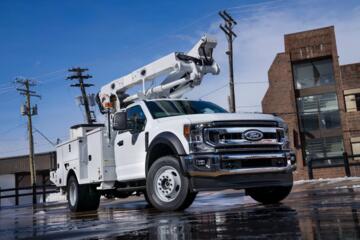
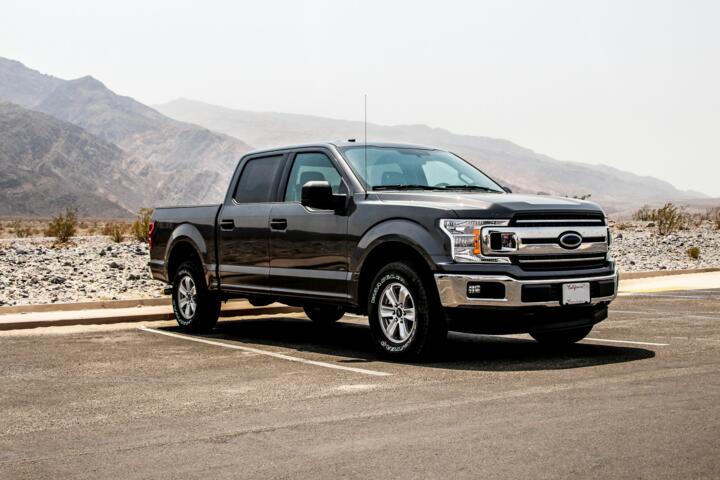
Pickup trucks differ from average cars in maintenance because of their size, components, and intended use. For instance, a 2022 Ford F-150 spends roughly $1,200 annually on routine upkeep according to data collected across hundreds of vehicles. These costs account for oil changes, brake pads, filters, and factory-recommended inspections. Off-road or heavy towing use, which many owners don’t fully consider, rapidly increase wear, causing expenses to climb.
Fuel economy fluctuations can also indirectly affect maintenance budgets. The 3.5L EcoBoost V6 in many pickups demands premium maintenance items that cost more than standard components, a detail often overlooked by new owners.
Try to think of maintenance like managing a budget, not a random cost sink.
Cost Misconceptions
Many buyers assume pickup trucks have maintenance costs similar to sedans or SUVs. In reality, trucks carry heavier parts: suspension components alone can cost up to 30% more. Brake system replacement on a Silverado 1500 often runs around $800-$1,000, compared to under $500 for a midsize car.
Misjudging maintenance often leads to skipped services. Delayed oil changes, sometimes pushed to 10,000 miles instead of recommended 7,500, cause accelerated engine wear. One client I worked with ended up with a $3,200 engine repair due to neglected oil filters.
Unexpected downtime costs also sneak in for businesses running commercial trucks. A fleet with five trucks missed scheduled tune-ups to save money. Result? Each truck faced breakdowns costing $1,500 on average in roadside assistance and towing alone.
Truck owners must budget broadly, not just for the obvious parts like tires and brakes.
Solutions and Advice
Regular Oil Changes
Changing oil every 5,000–7,500 miles keeps engines healthy. Synthetic oil might cost $60 per service versus $30 for conventional, but protects high-compression truck engines better. Dealers and independent shops often run promotions—check local flyers.
Brake System Care
Inspect brakes every 15,000 miles or sooner if towing. Replacing pads early can save rotor wear and $200 on labor later. High-quality ceramic pads last longer and reduce dust buildup—good brands include Bosch and Wagner.
Tire Selection and Maintenance
Heavy-duty tires cost $200-$400 each and must handle high loads. Rotating tires every 6,000 miles evens wear, extending life by 20% or more. TPMS sensors, part of many recent models, can add $50 per sensor replacement if ignored.
Transmission Fluid Checks
Many trucks have sealed transmissions, but fluid still needs replacing around 60,000 miles for those without sealed systems. Costs vary but expect about $150-$250 for a flush and refill, which prolong transmission life dramatically.
Battery Testing and Replacement
Trucks use heavy-duty batteries costing $150-$300. Testing twice a year during winter and summer prevents roadside failures. Some models require special AGM batteries, which cost more and require compatible chargers when servicing.
Cooling System Maintenance
Radiator flush every 50,000 miles avoids overheating, a common cause of engine failure. Replacement of thermostat valves and hoses during flush service adds about $100 but avoids big repairs. A typical shop flush service takes about an hour.
Rust and Frame Inspection
Pickups frequently used in salt regions face corrosion risks. Annual inspections, plus undercoating sprays costing $150-$200, can prevent frame damage. Ignoring rust can lead to structural failures costing thousands in parts and labor.
Using OEM Parts vs. Aftermarket
OEM parts offer guaranteed fit but cost 20%-50% more. Aftermarket parts vary in quality; brands like Dorman or ACDelco balance cost and reliability well. Personally, I mix both in my fleet depending on criticality—brakes get OEM, nothing else.
Fleet Maintenance Tools
For companies, investing $100–$200 in diagnosis tools like an OBD2 scanner helps spot issues early. Apps such as Torque Pro (v1.11.54) provide real-time data, reducing unnecessary trips to the shop.
Real Maintenance Cases
A midsize construction firm with 10 Ram 1500 trucks ignored transmission fluid changes. After some units required full transmission rebuilds costing $4,500 each, the company adopted strict 50,000-mile service intervals plus fluid checks every 20,000 miles. Maintenance costs doubled initially but rebuild costs dropped 90% the next year, saving over $27,000 total.
A solo owner of a Toyota Tacoma used off-brand brake pads, choosing price over quality. Within 5,000 miles, rotor damage appeared, leading to a $1,200 repair instead of a $350 pad swap. The owner switched to OEM pads after that.
Cost Guide Table
| Item | Typical Cost | Interval | Notes |
|---|---|---|---|
| Oil Change | $60–$80 | 5k–7.5k mi | Synthetic. Cost varies by brand, DIY cheaper. |
| Brake Pads | $300–$500 | 30k–60k mi | Ceramic pads last longer. |
| Tire Set (4) | $800–$1.6k | 25k–50k mi | Regular rotation extends life. |
| TX Fluid | $150–$250 | 60k mi | Flush prevents costly rebuilds. |
| Battery | $150–$300 | 3–5 years | Test twice yearly. |
| Radiator Flush | $100–$150 | 50k mi | Includes hoses, thermostat check. |
Frequent Errors Explained
Neglecting fluid checks tops the list of mistakes. A transmission malfunction caused by skipping fluid replacement can lead to a $4,000 repair; I’ve seen it firsthand. Another common error involves adopting cheap tires to save money. This often reduces grip and accelerates wear, ironically costing more in replacements over a few years.
Almost every driver underestimates tire rotation's value. It costs about $20-$30 at the local shop but extends tire life by thousands of extra miles. Skipping manufacturer-recommended intervals, especially for brake service, leads to warped rotors or caliper failure.
Ignoring warning signs like unusual sounds or vibrations can also lead to costly outcomes—that’s one I learned the hard way with a set of aftermarket shocks that wore out in half the expected time.
FAQ
How often should pickup truck oil be changed?
Every 5,000 to 7,500 miles with synthetic oil recommended for better engine protection, especially in turbocharged engines.
Do diesel pickups cost more to maintain?
Yes. Diesel engines require specialized fluids, fuel filters, and more frequent maintenance on turbos and injection systems, adding about 15-20% more yearly.
Are OEM parts always better?
OEM parts typically fit better and last longer, but quality aftermarket parts can be a cost-effective alternative if well-chosen and inspected regularly.
What maintenance is unique to trucks used for towing?
Frequent brake checks, transmission fluid changes, and suspension tightening are necessary since towing adds significant stress and accelerates wear.
How can I reduce maintenance costs?
Follow service schedules strictly, use quality parts, rotate tires, monitor fluid levels, and invest in diagnostic tools to catch problems early.
Author's Insight
Being hands-on with pickups for over a decade gave me insight into hidden costs often overlooked by new buyers. I noticed many skip fluid changes to save a few bucks, but those savings evaporate when a major repair hits. Regular brake inspections alone prevent thousands in rotor and caliper replacements. Using a decent OBD2 scanner I bought in 2022 saved my fleet hours and dollars by detecting simple issues early. Combining OEM with good aftermarket parts keeps costs practical and vehicles reliable.
Summary
Pickup truck maintenance costs go beyond oil changes and tires. Higher load capacity, towing demands, and heavy components raise expenses. Sticking to scheduled fluid changes, brake checks, and proactive inspections can manage expenses effectively. Investing in quality parts and diagnostics tools cuts long-term repair bills. If you drive a pickup regularly, treat maintenance as a crucial budget item instead of an afterthought to avoid costly surprises.