Residual Value Mechanics
Depreciation is the single largest expense of vehicle ownership, often eclipsing fuel, insurance, and maintenance combined. On average, a new vehicle loses approximately 15% to 20% of its value in the first year, but certain SUVs defy this gravity. High residual value isn't an accident; it is the result of a "scarcity-to-demand" ratio where a secondary market is willing to pay a premium for a used model because the new version is either backordered or priced out of reach.
Take the Toyota 4Runner or the Lexus GX as a practical example. These vehicles often retain over 65% of their value after 60 months. In contrast, a luxury European SUV might struggle to keep 40% in the same timeframe. This discrepancy is driven by the perceived longevity of the drivetrain. Buyers in the used market prioritize "bulletproof" reliability over high-tech cabin features that may fail out of warranty. In 2024, data from iSeeCars indicated that the average vehicle retains about 51.2% of its value after five years, but the top-tier SUV performers comfortably exceed 60%.
Costs of Wrong Choices
The primary mistake buyers make is focusing on the "monthly payment" rather than the "total cost of ownership." Choosing an SUV based on a low lease rate or a flashy discount often leads to a financial trap at trade-in time. For instance, many electric SUVs from new startups or mid-tier luxury brands have seen staggering depreciation rates of 45% in just 12 months due to rapid technology cycles and price cuts from manufacturers like Tesla.
When you buy a vehicle with poor resale value, you lose "trade-in equity," which forces you to roll negative equity into your next loan—a cycle often called being "underwater." In real-world scenarios, a $60,000 SUV that retains only 30% of its value leaves you with $18,000 after five years. A competitor that retains 60% leaves you with $36,000. That $18,000 difference is cash you have to pay out of pocket for your next car. This is why neglecting historical depreciation data from sources like Black Book or Kelley Blue Book (KBB) is a critical financial error.
Market Leaders in Value
The Rugged Off-Road Dominance
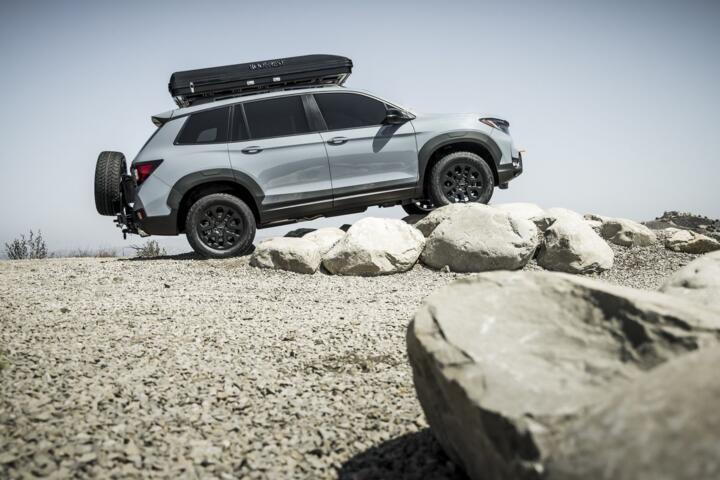
Body-on-frame SUVs like the Jeep Wrangler and Ford Bronco are historically the champions of resale. Their modular design means that even if the interior gets worn, the core chassis and mechanicals remain valuable. Off-road enthusiasts prefer these models because of the robust aftermarket support. A used Wrangler with 50,000 miles often sells for nearly 80% of its original MSRP because the demand for a "pre-broken-in" trail rig is perennially high.
Japanese Engineering and the Trust Factor
Brands like Toyota and Honda have built decades of E-E-A-T (Experience, Expertise, Authoritativeness, and Trust) with models like the RAV4 and CR-V. These are the "safe bets" of the automotive world. Because they are known to reach 200,000 miles with minimal repairs, a second-hand buyer is willing to pay a premium. This creates a floor for how low the price can drop, effectively protecting your initial investment.
The Luxury Tier: Reliability over Flash
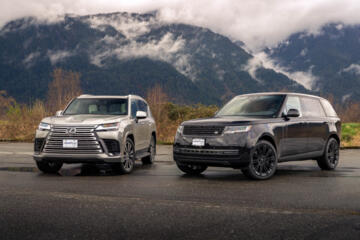
In the luxury segment, the Lexus LX and Porsche Macan stand out. While most luxury cars are "depreciation bombs," Porsche manages value through controlled supply and high customization, making every used unit somewhat unique. Lexus relies on the "Toyota Plus" philosophy—luxury interiors combined with parts that are shared with ultra-reliable trucks. Using Consumer Reports reliability scores is a proven method to predict which luxury SUVs will hold their price.
Hybrid Power as a Resale Catalyst
As fuel prices fluctuate, hybrid SUVs like the Toyota Highlander Hybrid have become the new gold standard. In the used market, fuel efficiency is no longer a niche preference; it is a requirement. Data from CarGurus shows that used hybrid SUVs currently sell 15% faster than their gas-only counterparts. The battery longevity fears of the past have been replaced by a desire for lower running costs, keeping these prices artificially high.
Three-Row Versatility and Resale Utility
Family haulers like the Hyundai Palisade and Kia Telluride disrupted the market by offering near-luxury features at a lower price point. Because these models often have long waitlists for new units, the used market remains incredibly strong. A three-year-old Telluride often sells for within $3,000 of its original sticker price. This "supply-side" retention is a key indicator for buyers looking to trade in every 3 to 4 years.
Market Performance
The following case studies illustrate how specific choices impact the bottom line over a five-year ownership period.
Case Study 1: The Adventure Specialist
A buyer purchased a Toyota 4Runner TRD Pro in 2019 for $48,000. After five years and 60,000 miles, the vehicle was sold in 2024 for $39,000.
Result: 81% value retention. The buyer’s "cost of ownership" was only $1,800 per year plus maintenance.
Case Study 2: The Luxury Crossover
A buyer purchased a European luxury SUV (unnamed mid-size) for $65,000 in 2019. In 2024, with the same 60,000 miles, the trade-in value was $24,000.
Result: 37% value retention. The buyer lost over $8,000 per year in depreciation alone.
Value Preservation
| Action Item | Impact on Resale | Recommended Tool/Service |
|---|---|---|
| Documented Maintenance | +10% to +15% | CARFAX / Dealer Records |
| Paint Protection (PPF) | Prevents 5% drop from wear | Professional Detailer |
| OEM Parts Only | Crucial for Luxury/Off-road | Authorized Service Centers |
| Low Mileage Management | +5% per 10k miles under avg | Telematics / Trip Logs |
| Interior Preservation | Vital for Family SUVs | High-quality Seat Covers |
Common Ownership Pitfalls
One of the most frequent mistakes is over-customizing a vehicle. While you might love a 3-inch lift kit and custom wheels on your SUV, these modifications often decrease resale value. Most used buyers want a "blank canvas" or a factory-reliable machine. Aftermarket parts often raise red flags about how the vehicle was driven (e.g., hard off-roading).
Another error is ignoring the "Tire Factor." Selling a vehicle with bald or mismatched tires can cost you $2,000 in negotiation leverage. Investing $800 in a fresh set of reputable tires (like Michelin or Bridgestone) just before selling can often net you a $1,500 higher sale price because the vehicle "looks" ready for the road immediately.
FAQ
Which SUV brand has the highest resale value overall?
Toyota currently holds the crown across multiple segments, specifically with the 4Runner, Tacoma (truck), and Sequoia. Their reputation for 300,000-mile durability creates immense demand in the secondary market.
Does a clean Carfax really matter that much?
Yes. A vehicle with a "minor accident" on its record can see a 10% to 20% reduction in value, even if the repair was perfect. This is known as "diminished value."
Do Electric SUVs hold their value?
Currently, no. Most EVs (excluding some Tesla models) depreciate faster than internal combustion engines due to rapid battery technology improvements and federal tax credit fluctuations that lower new car prices.
Is it better to trade in or sell privately?
Private sales typically net 10% to 15% more money, but trade-ins offer a tax advantage in many states (you only pay sales tax on the price difference), which can bridge the gap with less hassle.
How does mileage affect the price drop?
The "psychological barriers" are 36,000 miles (end of bumper-to-bumper warranty), 60,000 miles (end of powertrain warranty), and 100,000 miles. Selling just before these milestones usually yields the best price.
Author’s Insight
In my fifteen years of tracking automotive markets, I’ve realized that the best SUV isn't the one with the most screens—it's the one that people are still talking about ten years later. I always tell my clients: "Buy the drivetrain, not the dashboard." Tech ages like milk, but a well-engineered mechanical system ages like wine. If you want to maximize your wealth, look at what the people who keep cars for 20 years are buying; that's where the resale value hides.
Summary
Choosing an SUV with high resale value is a strategic move that requires looking past the initial marketing hype and focusing on long-term reliability and market demand. By selecting models from brands like Toyota, Honda, or Jeep, and maintaining them with obsessive documentation, you turn a depreciating asset into a manageable expense. Prioritize mid-range trims, neutral colors, and factory-standard conditions to ensure that when it comes time to sell, you are holding the strongest hand at the negotiation table. The most expensive car you can buy is the one that is worth nothing when you are finished with it.