Entry-Level Performance
An entry-level sports car isn't just a "cheap fast car." It is a machine designed to teach you how to drive. Unlike a modern performance SUV that uses electronic torque vectoring to mask physics, these cars rely on lightweight construction and balanced weight distribution. The goal is "tactile transparency"—where the steering wheel vibrates with the texture of the asphalt and the seat communicates the exact moment the rear tires begin to slip.
In practice, this means prioritizing a low center of gravity and a high power-to-weight ratio over raw horsepower. For instance, a vehicle with only 200 hp but a curb weight of 2,300 lbs (like a late-model Mazda MX-5) often laps a tight autocross circuit faster than a 4,000 lb sedan with double the power. Statistics show that 70% of track-day incidents involving novices occur because they choose high-horsepower cars before mastering momentum maintenance. Starting small is a strategic investment in your skill set.
Pursuit of Speed Pitfalls
The most frequent error among new enthusiasts is chasing "paper specs" like 0-60 mph times or peak horsepower. On a winding public road, a car that is too fast is often less fun because you can only use 20% of its potential before reaching illegal speeds. This leads to a detached driving experience where the car does all the work, leaving the driver as a mere passenger.
Neglecting the "consumables cost" is another critical oversight. A used European luxury coupe might be affordable to buy, but a single set of carbon-ceramic rotors or a specialized transmission service can cost $3,000 to $5,000. Many enthusiasts find their "dream car" stuck in the garage for six months a year because the maintenance budget was ignored. Real-world situations often involve buyers realizing too late that their high-strung turbocharged engine requires 93-octane fuel and $200 oil changes every 5,000 miles.
Strategic Recommendations
Embrace the Lightweight Rear-Wheel Drive Layout
For those seeking the purest connection to the road, the front-engine, rear-wheel-drive (FR) layout remains the gold standard. This configuration separates the steering duties (front wheels) from the propulsion duties (rear wheels), allowing for more nuanced mid-corner adjustments. The Subaru BRZ and Toyota GR86 twins are the masters of this category. With a 53/47 weight distribution, they provide a neutral platform that responds instantly to throttle steering.
Prioritize Manual Transmissions for Skill Development
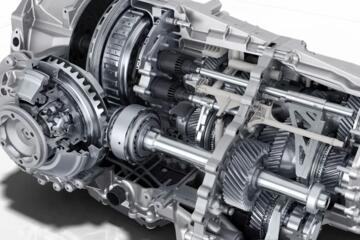
While modern dual-clutch transmissions (DCT) are objectively faster, a six-speed manual gearbox is the ultimate teaching tool. It forces you to master heel-and-toe downshifting and rev-matching, skills that build a deeper cognitive bond with the machine. Data from resale platforms like Bring a Trailer shows that manual-equipped sports cars retain 15-25% more value over five years compared to their automatic counterparts, making them a smarter financial move as well.
The Hot Hatch Alternative for Daily Versatility
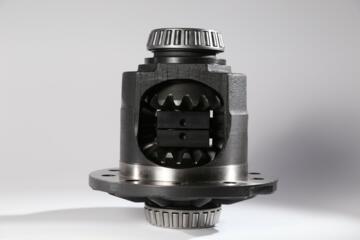
If you only have space for one car, the performance hatchback is the logical solution. Vehicles like the Volkswagen Golf GTI or the Honda Civic Si utilize front-wheel drive but employ sophisticated Limited Slip Differentials (LSD) to mitigate understeer. This allows you to haul groceries or commute comfortably while still enjoying a 0.95g lateral grip on weekend canyon runs. It’s a pragmatic approach to enthusiast ownership.
Investing in High-Quality Tires Over Engine Mods
Before spending $1,000 on an exhaust system, spend it on a set of Michelin Pilot Sport 4S or Bridgestone Potenza RE-71RS tires. The tire is the only point of contact with the road; upgrading from a generic all-season tire to a dedicated summer performance compound can shave 2 seconds off a 60-second lap time. In the world of performance driving, grip is more valuable than noise.
Utilizing Telemetry and Track-Day Services
Modern enthusiasts should leverage tools like the Garmin Catalyst or the Harry’s LapTimer app. These tools use GPS and accelerometers to analyze your driving lines and braking points. Instead of guessing why you’re slow, you get data-driven feedback. Pairing this with services like Hagerty’s track-day insurance ensures that you can push your limits with financial peace of mind.
Enthusiast Case Studies
Case Study 1: The Depreciation Specialist
A buyer in 2021 opted for a certified pre-owned (CPO) BMW 2 Series (F22) instead of a new entry-level sedan. By choosing a 230i with the Track Handling Package rather than the heavier M240i, they saved $12,000 in purchase price. Over two years, the owner spent $1,500 on brake upgrades and high-temp fluid. The result? A car that was 100% reliable for 10 track events and sold in 2023 for only $3,000 less than the purchase price.
Case Study 2: The Momentum Mastery Shift
An amateur racer transitioned from a high-horsepower muscle car to a fourth-generation Mazda MX-5 (ND2). Initially, their lap times at Laguna Seca increased by 4 seconds. However, after six months of learning to carry speed through corners without relying on a V8 to "fix" mistakes, their skill improved so drastically that they eventually matched their old times with 300 fewer horsepower. This transition saved them approximately $450 per track day in fuel and tire wear.
Entry-Level Analysis
| Model Type | Best Example | Key Advantage | Est. Annual Maintenance | Driving Dynamics |
|---|---|---|---|---|
| Lightweight Roadster | Mazda MX-5 Miata | Lowest weight/running costs | $600 - $900 | High feedback, agile |
| Balanced Coupe | Toyota GR86 / BRZ | Chassis balance, RWD | $800 - $1,200 | Predictable oversteer |
| Performance Hatch | Honda Civic Si | Daily utility, gearshift feel | $700 - $1,000 | Stable, grip-focused |
| European Sport | BMW 230i (Used) | Interior quality, torque | $1,500 - $2,500 | Refined, composed |
Mistakes to Avoid
One of the biggest blunders is "over-modifying" a car before learning its stock limits. Replacing a factory suspension with cheap "eBay" coilovers often ruins the ride quality and decreases mechanical grip because the damping hasn't been tuned for the specific chassis frequency. Always drive the car in its stock form for at least 3,000 miles to identify its genuine weaknesses.
Another error is ignoring brake fluid. Enthusiasts often focus on brake pads but forget that standard DOT 3 fluid will boil under heavy use, leading to a "spongy" pedal and potential brake failure. Switching to a high-boiling-point fluid like Motul RBF600 is a $30 fix that prevents $30,000 accidents. Finally, don't buy a car without a Pre-Purchase Inspection (PPI) from a specialist shop, especially for used German performance models where "deferred maintenance" is a common hidden cost.
FAQ
Is rear-wheel drive (RWD) dangerous for a beginner?
No, provided the car has modern stability control and you respect the throttle. In fact, RWD is better for learning the fundamentals of weight transfer and how it affects steering. Many entry-level RWD cars have modest power levels specifically to make them approachable.
Should I buy a new or used sports car?
New cars offer warranties and the latest safety tech, which is vital if it's your only vehicle. However, used cars (3–5 years old) allow you to avoid the steepest part of the depreciation curve, potentially leaving you with more budget for track days and tires.
Are sports cars expensive to insure?
It varies. A Mazda MX-5 often has lower insurance premiums than a standard sedan because its owners tend to be older and more experienced. Conversely, a Subaru WRX often has high rates due to its popularity with younger drivers and its statistical frequency in accidents.
Can I use an entry-level sports car as a daily driver?
Yes. Modern options like the VW GTI or even the Toyota GR86 are designed with "civilized" suspension settings and modern infotainment (Apple CarPlay/Android Auto) to handle 50-mile commutes comfortably.
Do I need to modify my car for a track day?
Usually, the only "must" is fresh brake fluid and ensuring your tires have at least 50% tread. Most entry-level sports cars are "track-capable" out of the box for novice-level sessions. Over-building the car early on actually slows down your learning process.
Author’s Insight
After a decade of testing everything from 700-hp supercars to vintage hatchbacks, I’ve found that the most memorable drives rarely happen at 150 mph. My personal favorite moments have been in sub-200-hp cars where I had to fight for every bit of momentum. If you are starting your journey, don't be seduced by the "spec sheet war." Buy the car that feels like an extension of your body, even if it's the slowest one on the grid. A car that you can push to 100% of its limit is infinitely more rewarding than a supercar you're afraid to drive at 40%.
Summary
Choosing an entry-level sports car is a balance between emotional engagement and logical constraints. By focusing on lightweight platforms like the MX-5 or GR86, prioritizing manual transmissions, and investing in driver education rather than aesthetic mods, you set yourself up for years of automotive satisfaction. Start with a solid, well-maintained base, join a local car club like the SCCA or NASA, and focus on the one component that makes any car faster: the driver.