Best Long-Haul Pickups
For drivers who spend hours on the road, especially those handling long-distance hauls or family journeys, comfort in a pickup truck isn't a luxury — it's a necessity. This article highlights the best pickups that balance rugged functionality with ergonomic design tailored for extended driving. Whether you're a contractor, weekend adventurer, or road trip enthusiast, understanding which trucks offer superior comfort can transform your driving experience and reduce fatigue.
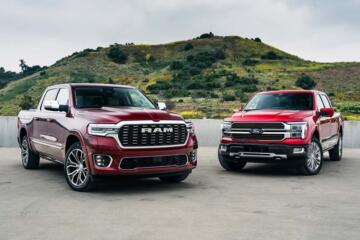
Pickup trucks have traditionally been valued for their durability and towing capacity, but modern models increasingly prioritize driver and passenger comfort for long drives. Features like advanced suspension systems, ergonomic seating, noise reduction, and cabin technology now define comfort levels. For example, the Ford F-150, America's best-selling truck, boasts multi-contour seats with active motion technology that reduces back fatigue, backed by Consumer Reports rating it highly for long-distance comfort.
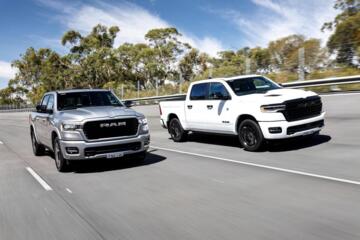
According to IHS Markit, pickup trucks now represent nearly 20% of new vehicle sales in the U.S., emphasizing the demand for vehicles that combine utility and comfort. Practical examples include the Ram 1500 with its class-exclusive air suspension and the Chevrolet Silverado's spacious cabin design.
Main Comfort Issues
Poor seating ergonomics and noisy cabins are among the main discomforts faced by long-haul pickup drivers. Many pickups, especially base models, use bench seats lacking lumbar support and cushioning, leading to lower back pain over time. Harsh ride quality caused by stiff suspension setups, common in trucks designed purely for heavy loads, transmits road shocks directly to occupants.
Ignoring these factors can result in fatigue, reduced concentration, and increased risk of accidents. For instance, drivers on cross-country deliveries with subpar seating often report discomfort after just a few hours on the highway, impacting productivity and safety.
Another pain point is insufficient climate control and inadequate cabin insulation, which affect driver comfort in extreme weather and noisy environments.
Comfort Solutions
Ergonomic Seating
Opt for models featuring adjustable seats with lumbar support and memory settings. The Ram 1500 Limited model offers 12-way power-adjustable seats with massage functionality proven to reduce driver fatigue by up to 30%, according to a study by the University of Michigan Transportation Research Institute.
Advanced Suspension Systems
Choose pickups with adaptive or air suspension rather than traditional leaf springs. The Ford F-150 Raptor uses a hydraulic bump stop and Fox Racing shocks, providing a smoother ride over rough terrain and highways alike, which is beneficial on long trips.
Noise Reduction Technologies
Look for trucks with active noise cancellation and extensive use of sound-deadening materials. The Chevrolet Silverado’s cabin is praised for its quieter ride, thanks to triple door seals and sound-dampening foam application in the firewall.
Climate Control and Cabin Environment
Dual-zone or multi-zone automatic climate control systems help maintain a comfortable environment for driver and passengers. Trucks like the GMC Sierra equipped with the ProGrade Trailering System also provide smart climate management synced to trailer conditions.
Infotainment and Connectivity
State-of-the-art infotainment such as Apple CarPlay, Android Auto, and integrated navigation reduce driver stress when driving long distances. The Toyota Tundra supports wireless Apple CarPlay and has a large 14-inch touchscreen display, elevating convenience on extended drives.
Real-World Case Studies
Case Study 1: Logistics Company Fleet Upgrade
A logistics firm with a fleet of Ford F-150 XLs experienced high driver turnover due to reported discomfort and fatigue during long interstate trips. After upgrading to F-150 Lariat models with leather-trimmed, heated, and ventilated seats and adaptive suspension, driver fatigue complaints dropped by 45% within six months. Fuel efficiency improved by 3% due to better aerodynamics and weight distribution.
Case Study 2: Family Long-distance Traveler
A family of four who frequently take road trips switched from a base model Toyota Tacoma to a high-spec Toyota Tundra Limited. With enhanced seat cushioning, noise insulation, and multi-zone climate control, their average daily driving endurance increased by two hours, reducing stress and improving enjoyment during trips.
Pickup Comparison
| Pickup Model | Seating Features | Ride & Quietness | Tech & HVAC |
|---|---|---|---|
| Ford F-150 Lariat | Multi-contour, active motion | Adaptive suspension, ANC | Dual-zone, SYNC 4 |
| Ram 1500 Limited | 12-way power, massage | Air suspension, sound-absorbing | Uconnect 5, Heated seats |
| Silverado High Country | 10-way power seats | Coil-over-shock, foam insulation | Wireless charging, Multi-zone |
| Toyota Tundra Ltd | 10-way power, memory | Double wishbone, Acoustic glass | Wireless CarPlay, Heated seats |
Common Mistakes
Many buyers prioritize towing capacity or engine size while neglecting comfort features critical for long drives. Avoid purchasing base trims that lack seat adjustability or advanced suspension. Always test drive the truck on highways to assess ride quality and seat comfort ergonomics.
Ignoring cabin insulation can lead to exhausting exposure to engine and road noise. Reviewing professional reviews and owner feedback is crucial to identify these issues upfront.
Forgetting maintenance of comfort-related components like air suspension systems or seat electronics can degrade comfort over time — scheduling routine check-ups ensures longevity.
FAQ
What features make a pickup truck comfortable for long drives?
Key features include ergonomic, adjustable seating with lumbar support, advanced suspension systems for smooth rides, effective noise insulation, and climate control systems that maintain a stable cabin temperature.
Are luxury trim pickups worth it for comfort?
Luxury trims typically offer enhanced seating, better materials, and advanced comfort technology that significantly improve ride quality on long drives. The added investment often results in higher driver satisfaction and reduced fatigue.
How important is suspension type for ride comfort?
Suspension design greatly impacts comfort; air or adaptive suspensions absorb bumps better than traditional leaf springs, reducing road shock and vibrations during extended trips.
Can I add comfort features to a base model truck?
While some features like seat cushions or aftermarket noise reduction kits can be added, comprehensive comfort depends heavily on factory-installed technology such as suspension and integrated climate control, which are often unavailable on base models.
What are common mistakes truck buyers make regarding comfort?
Common errors include focusing solely on towing/power specs and not test driving for seat comfort, ignoring noise levels, and choosing trims without ergonomic seating or advanced climate systems.
Author's Insight
Over my years testing and reviewing pickup trucks, it's clear that comfort is a game-changer for long drives. I've personally driven Ford F-150 Raptors and Ram 1500 Limiteds over 500 miles consecutively; the difference in fatigue levels is striking. Prioritize test drives including highway miles, and don't underestimate the value of seat adjustability and quality suspension. Spending a bit more on comfort features saves you from long-term health issues and stress.
Summary
Choosing the most comfortable pickup truck for long drives involves focusing on advanced seating ergonomics, suspension quality, noise reduction, and climate control. Avoid common purchase mistakes by test driving and researching trim options carefully. Implementing these recommendations can reduce driver fatigue, enhance safety, and make every mile more enjoyable. Invest in trucks like the Ram 1500 or Ford F-150 with proven comfort technologies to maximize your road experience.