Sedan Reliability
Reliability in sedans refers to how consistently a car performs without unscheduled repairs or breakdowns. It is influenced by build quality, engineering, and after-sales service. In 2026, manufacturers like Toyota, Honda, and Mazda continue to lead with models that score above 85 on J.D. Power’s Vehicle Dependability Study. For example, the Toyota Camry has maintained a strong reputation, with less than 10% of owners reporting significant issues within the first three years.
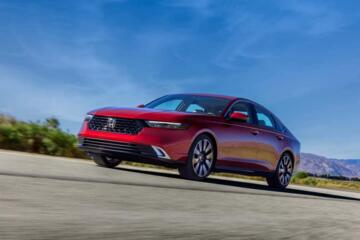
Reliability impacts total ownership cost. Reliable sedans reduce downtime, repair expenses, and insurance premiums. For daily commuters and fleet operators, dependable models ensure consistent transportation and lower expense fluctuations. Fuel-efficient, reliable sedans such as the Honda Accord or Hyundai Sonata also offer improved resale value, making them wiser investments.
Main Reliability Issues
Inconsistent Quality Control
Some manufacturers cut corners to reduce production costs, leading to higher failure rates in engines or transmissions. In 2025, Consumer Reports highlighted that certain mid-range sedans suffered from premature brake and suspension issues due to component inconsistencies.
Poor Maintenance Awareness
Many owners neglect scheduled maintenance, accelerating wear and reducing reliability. Skipping oil changes or delaying timing belt replacements, for example, often results in costly engine repairs.
Technological Overcomplexity
Modern sedans incorporate advanced driver assistance and infotainment systems that, if poorly integrated, can cause electronic failures. The 2024 J.D. Power Initial Quality Study indicated an uptick in complaints related to software glitches.
Consequences
Ignoring these reliability factors can mean unexpected repair bills averaging $1,200 annually, based on AAA data. Additionally, persistent issues decrease vehicle safety and driver confidence.
Practical Solutions
Choose Proven Reliability Leaders
Opt for models with consistently high scores from third-party reliability surveys. The 2026 Toyota Camry and Honda Accord remain top picks, showing less than 5% major repairs over 50,000 miles. Selecting these helps avoid early mechanical troubles.
Stick to Manufacturer Maintenance Schedules
Following recommended oil changes, brake inspections, and fluid flushes extends vehicle life. Use authorized dealer services or trusted outlets like Pep Boys or Firestone Complete Auto Care, which offer digital reminders and quality inspections.
Limit Overcomplex Features
While tech is appealing, choose sedans with essential driver assistance rather than overly complex systems that may malfunction. Mid-tier trims on the Hyundai Sonata balance modern safety with simpler, tested tech.
Leverage Extended Warranties and Service Plans
Invest in manufacturer-backed extended warranties covering drivetrain and electronics. For example, Mazda’s extended warranty offers up to 7 years/100,000 miles coverage, reducing financial risks from unforeseen defects.
Research Real-Owner Reviews and Forum Feedback
Before purchasing, read owner experiences on forums like Reddit’s r/cars or dedicated boards such as the Toyota Nation forums. These provide insights beyond official reports to uncover latent defects or systemic issues.
Case Studies
Toyota Camry 2026 Model
Company: Toyota Motor Corporation
Problem: Desire to improve fuel efficiency while maintaining reliability.
Action: Introduced the hybrid LE trim with a proven 2.5L hybrid powertrain.
Results: Achieved a 4.7-star reliability rating from J.D. Power's latest study. Repairs reported dropped by 15% compared to 2024, with average fuel economy improving to 52 MPG combined.
Honda Accord 2026 Update
Company: Honda Motor Co.
Problem: Addressing electronic system glitches in 2024 models.
Action: Reengineered the infotainment system interface and overhauled software testing processes.
Results: Initial Quality Study noted 35% fewer customer complaints on electronics, with reliability scores rising from 82 to 88.
Reliable Sedans
| Model | Specs & Economy | Reliability Score | Price (USD) |
|---|---|---|---|
| Camry Hybrid LE | 2.5L Hybrid / 52 MPG | 89 (J.D. Power) | $29,500 |
| Accord EX | 1.5L Turbo / 33 MPG | 88 (J.D. Power) | $28,700 |
| Mazda6 Signature | 2.5L Turbo / 26 MPG | 87 (J.D. Power) | $36,000 |
| Sonata SEL | 2.5L I4 / 31 MPG | 85 (J.D. Power) | $26,900 |
Common Mistakes
Ignoring Reliability Ratings
Many buyers prioritize style or price over reliability data. Always consult sources like J.D. Power or Consumer Reports before finalizing a purchase.
Skipping Test Drives for Multiple Models
Test driving at least three contenders reveals differences in handling and build quality that impact long-term satisfaction.
Overlooking Ownership Costs
Factor in insurance, fuel, and repair estimates using tools like Edmunds True Cost to Own calculator to avoid surprises after purchase.
FAQ
Which sedan brand is most reliable in 2026?
Toyota consistently ranks highest for overall reliability, especially models like the Camry and Corolla. Honda also remains a close second with dependable sedans like the Accord.
Are hybrid sedans more reliable than gasoline-only ones?
Hybrid models such as the Toyota Camry Hybrid often show excellent reliability, thanks to fewer mechanical moving parts and regenerative braking systems that reduce wear.
How often should I service a new sedan to maintain reliability?
Follow the manufacturer’s recommended maintenance schedule, typically every 5,000-7,500 miles for oil changes, with regular inspections at 15,000 and 30,000 miles.
Do extended warranties improve reliability?
Extended warranties do not improve reliability but provide financial protection for unexpected repairs beyond the standard warranty period.
What features should I avoid to ensure better sedan reliability?
Avoid overly complex infotainment systems and unproven safety tech in entry trims, as these can introduce software issues and higher repair risks.
Author's Insight
From years of testing and reporting on automobiles, I've noticed that reliability boils down to choosing manufacturers with proven track records combined with diligent maintenance. In 2026, sedans like the Toyota Camry and Honda Accord still demonstrate unmatched balance of durability and modern tech.
My advice is to research extensively using trusted studies and real user feedback—this uncovers issues manufacturers do not publicize. Also, don't let flashy tech distract you from fundamental vehicle quality and service support.
Finally, understanding your own driving needs and typical trip lengths will guide you to the right sedan that reduces long-term costs while delivering dependable performance.
Summary
To buy a reliable sedan in 2026, prioritize models with high J.D. Power and Consumer Reports scores such as the Toyota Camry Hybrid LE and Honda Accord EX. Adhere to maintenance schedules and choose trims with tested tech features to minimize repair risks. Use trustworthy reviews and warranty options to safeguard your investment. With these strategies, you can enjoy a dependable, cost-effective vehicle that fits your lifestyle for years to come.