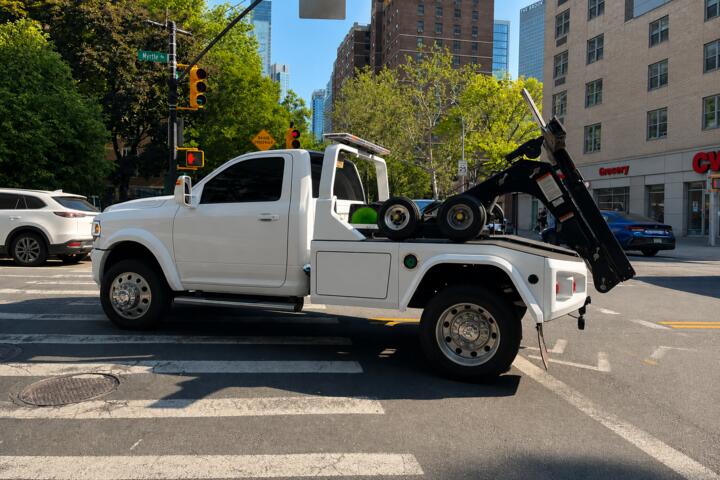
Towing Fundamentals
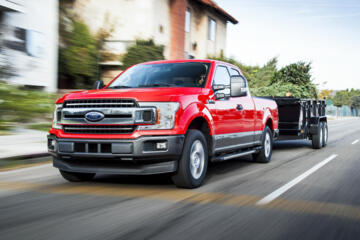
Many new truck owners jump straight into towing without grasping core concepts like payload, gross trailer weight, or tongue weight. These measurements determine safe towing capacity; for example, a 2023 Ford F-150 has a maximum towing capacity from 8,000 to 14,000 pounds depending on the engine and configuration. Misjudging these numbers risks damage to your truck and trailer. Actual towing feels different on road — braking distance increases, and acceleration slows noticeably.
A practical example: towing a 5,000-pound camper requires confirming your truck’s hitch rating meets or exceeds that weight along with the trailer’s tongue load, typically 10-15% of trailer weight. Knowing these values upfront saves headaches on highways or steep grades.
Aligning hitch height is critical. Trailering mismatches cause sway, which starts subtle but can escalate to dangerous oscillations. Sway control mechanisms, like built-in friction devices or electronic systems, mitigate this.
Common Towing Pitfalls
Skimping on brake controllers causes trouble. Many drivers overlook electronic brake synchronization, assuming the truck brakes suffice. They don’t, especially when hauling over 5,000 pounds. The trailer’s brakes have to activate in concert with the truck’s to avoid trailer push, dangerously lengthening stopping distances.
Another common issue is overloading the rear axle, which throws off vehicle balance and strains suspension components. You can’t see some damage right away; the truck may develop premature tissue wear or warped rotors within weeks.
Many first-timers underestimate freezing temperatures' impact on hitch components and electrical wiring, which affects braking performance — a fact often missed in towing guides.
Failing to maintain proper tire pressure on both truck and trailer results in uneven handling. You save time, reduce noise, and, frankly, the inbox stops winning when tires hold correct PSI. If you tow once a month, charge a portable gauge, at least version 3.2—it saves lives.
Practical Towing Tips
Match truck and trailer ratings
Start by checking your truck’s maximum towing capacity in the owner’s manual or manufacturer website. Cross-check it with the trailer’s gross weight and tongue weight. This practice prevents chassis overload and mechanical failure. A Dodge Ram 2500, for instance, safely hauls up to 19,680 lbs with proper setup.
Choose the right hitch
Hitches come in classes 1 to 5; for heavy-duty towing, a Class 4 hitch suits most full-size pickups best. It holds between 10,000 and 14,000 lbs and resists twisting forces better than Class 3. You’ll see brands like Reese or CURT dominate this market—CURT’s 4-point Hitch locks, a newer iteration, resist unplanned detachment better, something that matters on bumpy roads.
Use electronic brake controllers
Installing a brake controller is non-negotiable for trailers above 3,000 pounds. These devices modulate trailer brakes in sync with the truck’s brake pedal. Tekonsha Prodigy P3 is popular for its customizable gain and rugged build. Proper setup with manual gain adjustment reduces trailer fishtailing by up to 30% based on user reviews over five years.
Balance the load carefully
Load placement affects stability. Keep 60% of the trailer weight over the front axle, 40% on the rear. Avoid excessive rear loading because it induces trailer sway. I regularly advise clients to pack heavier gear towards the front for better control. Even a change of 100 pounds shifted can alter the feel drastically on curvy roads.
Regular maintenance checks
Trailer wiring harnesses often corrode or fray, especially in hauling salt-damaged vehicles or boats stored outdoors during winter. Inspect connections monthly if towing frequently; replace worn sockets immediately. Trailer tires also need their own upkeep: check tread depth not below 4/32 inches before long trips and rotate tires every 5,000 miles.
Safety gear and lights
Confirm all brake lights, marker lights, and turn signals work before every trip. An inline tester or trailer wiring tester—most cost under $20—can diagnose faulty wiring quickly. It's a critical last step, though often skipped during quick loading.
Practice towing before real trips
Drive in low-traffic areas to gauge your truck’s reactions while towing. Accelerating and braking feel different. Try tight turns and backing maneuvers repeatedly. Handy tip: attach a backpack or heavy object inside the cab during practice to mimic extra weight, it changes handling slightly.
Understand braking differences
Your truck’s ABS system doesn’t control trailer brakes; the controller independently modulates them. The trailer can slide unexpectedly on slick roads if braking isn’t balanced. Slowing down early helps — braking distances can increase by over 50% towing heavy trailers.
Invest in sway control devices
Even with perfect loading, gusty winds or sudden maneuvers trigger sway. Weight-distributing hitch bars combined with friction sway control devices reduce lateral movements drastically. Look for brands like Blue Ox, rated highly by towing communities as of 2023. Their products often add 15–20 pounds of hitch weight but improve control visibly.
Real-World Examples
Smith Landscaping in Idaho upgraded their 2018 Chevrolet Silverado from a Class 3 hitch to Class 4 plus Tekonsha brake controller after multiple trailer sway incidents. They haul 8,000-lb trailers with lawn equipment. Post-upgrade, they reported zero sway incidents over 3,000 miles of towing during the 2023 season.
Another example: a New Jersey construction firm retrofitted their 2020 RAM 3500 with CURT 5th wheel hitch for hauling 12,000 lbs dump trailers. They also documented improved fuel efficiency, dropping from 10 mpg to 12 mpg on highways due to better load distribution and aerodynamic hitch design.
Tow Gear Checklist
| Item | Purpose & Benefit | Notes |
|---|---|---|
| Hitch (Class 4) | Supports heavy loads and reduces sway risk. | Max 14K lbs |
| Brake Controller | Syncs braking systems for safer stops. | Tekonsha P3 |
| Pressure Gauge | Maintains PSI to ensure even tire wear. | Check monthly |
| Load Leveling | Balances trailer for a more stable ride. | 60/40 rule |
| Sway Control | Stops dangerous lateral sway for better handling. | Blue Ox |
Frequent Towing Errors
Ignoring tongue weight is common. People often overload the rear, thinking the trailer tongue doesn't matter, but tongue weight should be 10-15% of total trailer weight to maintain control. Exceeding that leads to fishtailing and instability.
Skipping brake controller calibration — some truck owners set it once, then forget. This causes jerky stops or underperforming brakes. Recalibrate for changes in load or trailer condition annually.
Failing to inspect wiring and lights before trips plagues many drivers. A broken taillight invites tickets or accidents. If wiring feels brittle or you notice flickering lights on the trailer, replace wiring connectors immediately.
Overheating trailer brakes without noticing. Brake fade happens on steep declines if you rely on the truck’s brakes only and ignore the trailer’s. Use lower gears and trailer brake app to avoid overheating.
FAQ
How to know towing capacity?
Check the truck’s door jamb sticker or owner’s manual for maximum towing limits including payload and tongue weight.
What hitch class fits my truck?
Match hitch class with truck towing specs—for pickups 3/4 or 1-ton, Class 4 or 5 hitches usually fit best.
Do I need a brake controller?
If trailer weight exceeds 3,000 lbs, installing a brake controller is a safety and legal necessity in most states.
How to prevent trailer sway?
Balance load, use sway control devices, and slow down over 55 mph reduce sway substantially.
How often check tires?
Check every trip; rotate trailer tires every 5,000 miles; maintain trailer tires around 70-80 PSI unless specified otherwise.
Author's Insight
I started towing before ABS was common, so I know how crucial trailer brakes are. Ignoring tongue weight and braking once made me almost lose control on a mountain pass — big scare. Now I always test loads and recalibrate brake controllers annually. A handheld gauge saved me from blowouts multiple times, which, frankly, most skip. My advice: invest upfront in setup rather than paying later in damage or fines.
Summary
Understand your truck’s and trailer's weight capacities. Choose and adjust hitch and brake controllers carefully to match loads. Regular maintenance of tires, wiring, and brakes prevents failure on the road. Balance your trailer load strategically and use sway control devices for stability. Practice driving with the trailer under safe conditions before actual trips. These steps cut risks, avoid damages, and protect lives.