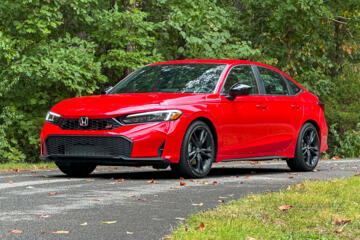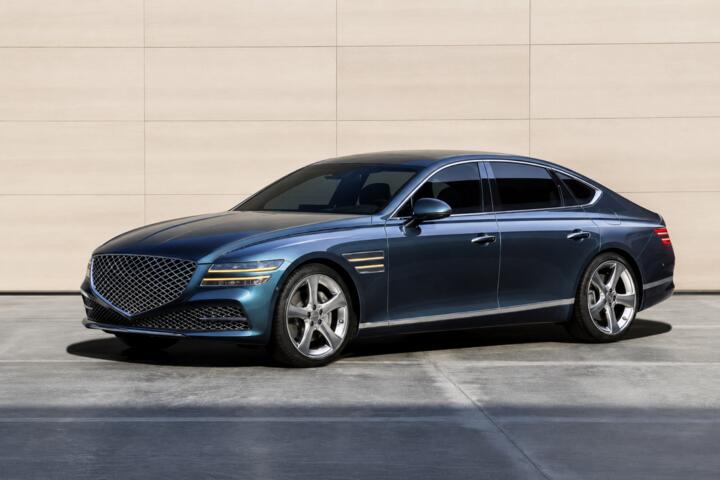
Why Sedans Cost Less
Sedans generally come with lower upfront prices than SUVs. For instance, the 2023 Honda Accord starts around $27,000, while the CR-V SUV moves above $30,000. But initial cost is just one part of the equation. Maintenance, fuel economy, and insurance heavily influence total ownership costs.
Sedan engines tend to be smaller and more efficient. A typical four-cylinder sedan might get 30–35 mpg in combined driving. Most mid-size SUVs average closer to 22–25 mpg. That’s nearly 30–40% more fuel consumed in an SUV versus a sedan for the same distance.
Insurance companies charge more for SUVs on average, too, as they weigh repair costs and accident data differently. Think about this: owning a sedan can save you hundreds annually just on the fuel tank and insurance premiums combined.
Less weight means less wear and tear on tires and brakes, too. A sedan’s lighter frame reduces strain on these components, lowering replacement frequency.
Common Misconceptions
Many buyers assume SUVs bring value through space and versatility, justifying their higher costs. That logic overlooks how those extras drain wallets on insurance, routine care, and fuel. The habit of filling an SUV’s larger tank more frequently adds up quickly.
People often ignore depreciation patterns. SUVs depreciate faster, partly as manufacturers flood the market. With sedans, models like the Toyota Camry hold value better over 5 years—about 40% compared to 50% loss in certain SUVs.
This matters when reselling or trading in. The higher ongoing cost impacts personal budgets long-term, especially as SUVs need pricier tires, brakes, and suspension repairs sooner.
Think about a family commuting 15,000 miles a year: the difference in fuel and insurance adds as much as $1,000 yearly. Over time, it weighs. Small savings vanish once the bigger, hidden expenses emerge.
Ways to Save with Sedans
Choose Smaller Engines
Opting for a 4-cylinder or turbocharged smaller engine reduces fuel use. Modern sedans like the Mazda3 achieve 28–32 mpg with standard engines, significantly less than average SUVs. Less fuel means more money stays in your pocket.
Monitor Insurance Options
Request quotes from multiple insurers including GEICO, State Farm, or USAA. Sedans consistently qualify for lower premiums, often 10–15% cheaper than SUVs. Paying attention lets owners avoid overpaying for coverage.
Prioritize Scheduled Maintenance
Regular oil changes, tire rotations, and brake inspections prevent costly repairs. Sedans have simpler suspension setups and fewer heavy components, dropping labor and part costs. It’s not glamorous, but tracking service keeps expenses manageable.
Use Fuel-Efficient Driving Habits
Maintaining steady speeds and avoiding aggressive acceleration saves gas. It’s easy to waste fuel in any vehicle but SUVs amplify this effect due to their weight and drag. Keeping RPMs low promotes sedan economy.
Consider Hybrid Variants
Hybrids like the Toyota Camry Hybrid slash fuel costs by 35–40%. Though they demand a higher initial price, the payback comes from real-world savings on gas, especially noticeable at 20,000 miles or more annually.
Buy Certified Pre-Owned
Choosing CPO sedans usually means a warranty and lower price. It cuts depreciation losses and unexpected repair bills. Many dealers offer comprehensive inspections, which reduces the risk of costly surprises later.
Leverage Tax Credits
Some eco-friendly sedans qualify for federal or state incentives as of 2024. These credits lower upfront ownership costs and shift the financial balance further away from heavier, less-efficient SUVs.
Opt for Basic Trim Levels
Higher trim SUVs add features that raise insurance and repair costs. Sticking to simpler sedan trims avoids premium parts and complex electronics, trimming the budget without sacrificing reliability.
Use Inflation-Indexed Repair Plans
Some manufacturers like Honda offer repair plans pegged to inflation, defraying unexpected costs over time. Sedans often benefit more from these because their components are cheaper and less prone to failure.
Real Ownership Examples
A midwestern family switched from a Ford Escape SUV to a Toyota Camry XLE sedan in 2021. Their annual fuel costs dropped from about $2,200 to $1,400, hitting the dealership’s advertised mileage roughly 13,000 miles yearly. Insurance premiums decreased by $250 annually. Maintenance expenses lowered by $300 after replacing more expensive SUV brake pads with standard sedan replacements.
Another case from 2022 involved a tech worker in Austin who chose a hybrid sedan variant instead of a compact SUV. Over 3 years, he reported saving nearly $5,000 on fuel and upkeep, with zero major repairs. Depreciation on his 2019 Honda Insight was 35%, outperforming similar-year SUVs at closer to 45%. This person also found resale simpler, citing better sedan demand in local used markets.
Cost Comparison
| Aspect | Sedan | SUV | Difference |
|---|---|---|---|
| Average MPG | 30 mpg | 22 mpg | +36% |
| Fuel Cost (15k mi) | $1,800 | $2,400 | - $600 |
| Insurance (annual) | $1,200 | $1,350 | - $150 |
| Annual Maintenance | $600 | $850 | - $250 |
| Resale Depreciation | 40% loss | 50% loss | +10% |
Errors to Avoid
Buying the largest engine thinking power trumps cost kills your budget. It raises fuel, insurance, and maintenance costs, especially in sedans meant for efficiency. Also, skipping scheduled maintenance leads to brake or transmission failure that hits $1,200 or more.
Ignoring insurance quotes wastes money. Accepting first offer when shifting from SUV to sedan can miss 15% savings. Overbuying add-ons on sedans, like advanced warranties, without calculating real need, worsens economics.
Assuming SUV resale is steady ignores market saturation. Residual values fluctuate with fuel prices and economic shifts, pushing sedan resale higher in downturns.
Lastly, failure to factor fuel consumption in long commutes or family hauling changes expected savings. This oversight twists the cost-benefit balance.
FAQ
Why do sedans have lower insurance?
Sedans generally cost less to repair and pose lower accident risks, so insurers charge cheaper premiums.
Can fuel savings differ by model?
Yes, some sedans have engines tuned for efficiency while others prioritize performance, impacting real-world mpg.
Are hybrids always cheaper long-term?
Hybrids cost more upfront but often save on fuel and maintenance, leading to net savings at 15,000+ miles yearly.
Do SUVs depreciate faster everywhere?
Mostly yes, but local demand can sway depreciation patterns. Urban areas may favor sedans due to parking concerns.
Is maintenance easier on sedans?
Most sedans have simpler suspension and lighter parts, making brake and tire replacements cheaper and faster.
Author's Insight
My decade dealing with both SUVs and sedans convinces me: sedans suit everyday urban and highway driving better financially. I learned this switching from a Jeep Grand Cherokee to a Subaru Legacy in 2017. The fuel savings alone paid for my winter tires within a year, and insurance dropped substantially. The tradeoff — less cargo space — I accepted given the tight city parking and lower costs to keep running.
Summary
Sedans cost less than SUVs due to lower fuel use, cheaper insurance, and easier maintenance. They depreciate slower in many markets, saving money at resale. To minimize costs, focus on smaller engines, regular servicing, and insurance shopping. Consider hybrids for even further savings. Avoid big engines and adding unnecessary extras or warranties. Every dollar saved compounds over years, making sedans more affordable to own.