More Tech, Real Consequences
Automatic emergency braking (AEB) and lane-keeping are now common on mainstream SUVs, often bundled with other driver-assistance features. In U.S. testing, the Insurance Institute for Highway Safety (IIHS) reports that AEB systems can reduce rear-end crashes, but performance varies by speed range and vehicle-to-object type.
Vehicle type matters because SUVs run higher seating positions, wider front ends, and larger blind zones than many sedans. That geometry changes what sensors see and what drivers miss.
Many SUVs also include blind-spot monitoring and rear cross-traffic alerts. Those features matter most when you back out of driveways or pull into parking lots with moving pedestrians and cyclists.
Skip the sticker-only reading. Options packages change sensor coverage and the way alerts sound.
For example, a typical AEB system targets forward collisions at speeds like 20–50 mph depending on the model and test protocol. Lane-keeping often works best on clearly marked roads, and it may disengage on faded lines.
Ownership costs show up later. A windshield replacement for a camera-equipped SUV can run hundreds of dollars more, and calibration time can add shop labor.
What Buyers Get Wrong
People often assume “standard safety tech” means the same coverage across every trim. It usually does not, because radar and camera hardware, software calibration, and alert logic differ by package.
Skip the assumption that alerts equal braking. Some systems warn first and only brake if the driver does not react, which can feel late in a panic.
Another common mistake is treating lane-keeping as lane-centering. Many SUVs provide steering nudges, but they do not hold the vehicle in the lane like a hands-free system.
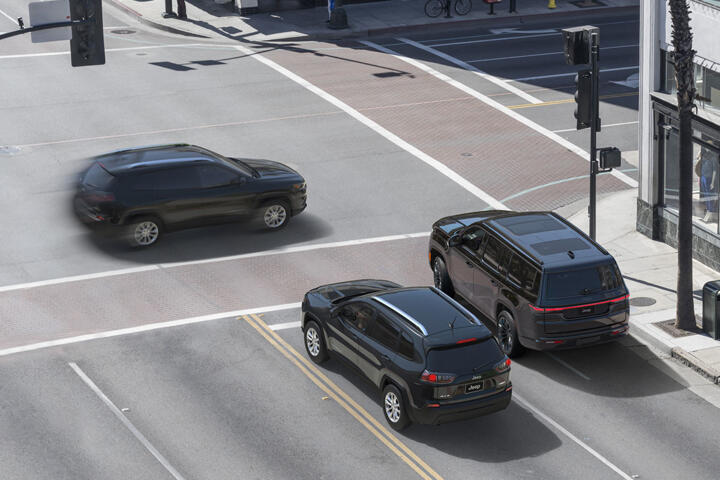
In real parking lots, rear cross-traffic alerts can miss vehicles that approach from angles the sensors do not cover. That shows up when you back out of a tight driveway with a low-slung car passing close to the bumper.
Financial consequences follow sensor damage. If a curb strike knocks a radar unit or a camera housing, calibration and parts replacement can become a recurring expense after repeated incidents.
Reliability also depends on conditions. Heavy rain, snow glare, and dirty sensor lenses can reduce detection, and the system may display “limited” or “unavailable” messages.
Checklists That Actually Work
Verify AEB Speed Range
Do this: read the owner’s manual section for “Forward Collision Warning” and “Automatic Emergency Braking.” It lists the supported speeds and whether it covers cars only or also pedestrians. Why it works: AEB logic is tuned to specific targets and closing speeds, so coverage is not uniform. In practice, you want to know if it triggers at 20 mph in a parking-lot scenario or only at higher speeds. Tools: ask the dealer to show the manual page for your exact VIN, not a generic brochure. Outcome target: confirm the system’s tested range and whether it includes pedestrian detection.
Skip the vague “collision mitigation” wording. It hides what the system actually brakes for.
Test Lane-Keeping Behavior
Do this: on a quiet road with visible lane markings, test the steering assist at 35–45 mph. Why it works: lane-keeping uses camera-based lane detection, so the response depends on line quality and contrast. In practice, you should expect a steering nudge, not full lane centering. Tools: set the system to the least aggressive mode first, then increase sensitivity if available. Outcome target: confirm how quickly it alerts and whether it disengages when lines fade.
Lane-keeping can go quiet fast. That usually means the camera lost the lane lines.
Confirm Blind-Spot Coverage
Do this: check where the blind-spot radar sits and what the alert covers, especially when towing or when the SUV is loaded. Why it works: radar placement and vehicle height change the detection volume. In practice, you want alerts when a vehicle is alongside your rear quarter panel, not only when it is fully behind you. Tools: use the dealer lot to test with a second vehicle at two distances. Outcome target: confirm the alert timing and whether it includes trailer-aware logic on models that support it.
Skip the “it beeps sometimes” test. You need repeatable coverage at set speeds.
Inspect Rear Cross-Traffic Alerts
Do this: test rear cross-traffic alert (RCTA) while reversing slowly out of a space with a clear path for cross traffic. Why it works: RCTA depends on radar angles and the vehicle’s ability to track moving objects. In practice, it should warn before you commit to backing into traffic. Tools: ask for a demo with the same sensor settings you plan to use, because some models change alert volume. Outcome target: confirm whether it warns for both vehicles and pedestrians, if supported.
RCTA can miss low-speed walkers. The sensor geometry matters.
Check Parking Assist Limits
Do this: evaluate front and rear parking sensors, plus any automatic braking for low-speed obstacles. Why it works: parking systems use ultrasonic sensors or camera overlays, and they struggle with thin objects like poles or uneven curbs. In practice, you want to know if the system stops the SUV or only warns. Tools: bring a small object like a traffic cone and test at walking speed. Outcome target: confirm detection distance and whether the system triggers false alarms on wet pavement.
Parking tech is picky. Wet paint and shiny bumpers can confuse it.
Understand Driver Monitoring
Do this: if the SUV has driver attention monitoring, check what it does when you look away or when sunglasses reflect light. Why it works: driver monitoring uses camera-based face and eye tracking, so lighting and glare affect it. In practice, you may see escalating warnings, then system limits. Tools: test in daylight and again in lower light, like late afternoon. Outcome target: confirm the warning cadence and whether it requires hands-on steering for certain modes.
Driver monitoring can be annoying. It also can save you from drifting.
Plan for Sensor Calibration Costs
Do this: ask the service department about calibration after windshield replacement and after any camera or radar repair. Why it works: many systems require calibration to keep AEB and lane-keeping aligned with the road. In practice, calibration time can add a day, and parts can be expensive. Tools: request a written estimate that includes calibration labor and any OEM glass requirements. Outcome target: know the likely out-of-pocket range before you need it.
Calibration is where the bill hides. Ask before the glass cracks.
Mini Case Examples With Numbers
Fleet case: a regional service company bought 12 SUVs with standard AEB and lane-keeping. After 18 months, they reviewed claims tied to rear-end events and found a drop in minor rear impacts, but windshield and sensor-related claims rose after two curb strikes. The shop reported about 2.5–3.0 hours of calibration time per event, and glass plus calibration averaged roughly $900–$1,400 per incident depending on parts availability.
They changed one policy: drivers had to clean the front camera area weekly and report “limited visibility” messages immediately. That reduced repeat sensor faults, and the fleet manager noted fewer AEB unavailability warnings during winter months.
Owner case: a family with a compact SUV used rear cross-traffic alerts in a tight garage. They still had one near-miss because the oncoming vehicle passed close to the curb, outside the radar’s effective angle. After that, they adjusted habits: they slowed to a crawl before committing and used the mirrors longer, not just the alert. The result was fewer “surprise” warnings and less stress during daily backing maneuvers.
Skip the idea that tech replaces mirrors. It adds another layer, not a substitute.
Checklist For Buying Today
| Item To Check | What To Look For | Why It Matters | How To Verify |
|---|---|---|---|
| AEB Coverage | Cars and pedestrians, speed range | Determines when braking triggers | Read manual and ask for VIN-specific spec |
| Lane-Keeping Mode | Nudge vs centering, disengage logic | Affects steering feel and alerts | Test at 35–45 mph on marked roads |
| Blind-Spot Alerts | Radar coverage and timing | Reduces lane-change surprises | Test with a second vehicle at set distances |
| Rear Cross-Traffic | Warns early, supports targets | Helps in driveways and lots | Demo while reversing slowly |
| Sensor Cleaning | Camera/radar locations | Prevents “limited” messages | Find the camera window and plan cleaning |
| Calibration Cost | Glass and labor estimate | Affects ownership cost after damage | Ask for written estimate from service |
Bring this checklist to the test drive. It keeps the demo from turning into a sales pitch.
Common Mistakes And Fixes
Mistake: buying a trim based on the word “safety” in the ad. Why it happens: marketing bundles features, but sensor hardware can differ. Impact: you may pay for a package that lacks pedestrian AEB or has different blind-spot logic. Avoid it: compare the window sticker and the owner’s manual feature list for your exact trim.
Skip the “it’s probably the same” mindset. It rarely is.
Mistake: turning everything on and leaving it there. Why it happens: drivers want maximum coverage. Impact: too many alerts can train you to ignore warnings, especially in stop-and-go traffic. Avoid it: set alert volume and sensitivity to a level you can tolerate for 20 minutes, then re-check after a week.
Mistake: assuming towing won’t affect sensing. Why it happens: many SUVs advertise towing capacity like 5,000 lb, but sensor logic still depends on vehicle height and rear load. Impact: blind-spot and rear sensors can behave differently when the rear sits lower or higher. Avoid it: test blind-spot and RCTA with the SUV loaded to a realistic cargo level, even if you do not tow on the lot.
Mistake: ignoring sensor messages. Why it happens: the dashboard warning can look minor. Impact: AEB or lane-keeping may be limited, and you may not notice until a near-miss. Avoid it: treat “limited” as a reason to clean sensors and check for obstructions, then schedule service if it persists.
One more detail: windshield replacements should use OEM glass when the camera is integrated. Aftermarket glass sometimes changes optical properties, and calibration can fail to restore full function.
FAQ
Is AEB Standard On Most SUVs?
Many SUVs include forward collision warning and automatic emergency braking as standard or near-standard, but the exact speed range and target types vary by model and trim. Some systems cover only vehicles, while others add pedestrian detection. The owner’s manual usually lists the supported scenarios and limitations, including how the system behaves at low speeds and in poor visibility. Before buying, confirm the feature list for your specific VIN and check whether the system triggers braking or only issues warnings. That distinction changes how useful AEB feels in a real emergency.
Do Lane-Keeping Systems Work In Snow?
Lane-keeping relies on camera lane detection, so snow and slush can reduce contrast and cause the system to disengage or issue frequent alerts. If the lane markings are covered or glare is high, the camera may not track the lines reliably. Some SUVs add windshield wipers or heated elements, but those do not fix faded markings. Test the system on a road with visible lines if you can, and plan to clean the camera area after storms. If the system repeatedly shows “limited,” treat it as a sign to adjust expectations and drive with extra margin.
Will Blind-Spot Monitoring Detect Motorcycles?
Blind-spot monitoring uses radar, and motorcycles can be harder to detect than cars because of their smaller cross-section and different motion patterns. Many systems still detect motorcycles at typical highway speeds, but performance depends on radar coverage and the relative angle. The best way to verify is to check the owner’s manual for supported targets and any documented limitations. During a test drive, have a second vehicle pass alongside at a safe, controlled distance. If the alert timing feels late, do not rely on it as your only check.
What Happens After A Windshield Replacement?
Camera-based safety systems often require calibration after windshield replacement. That calibration aligns the camera’s view with the vehicle’s sensors so lane-keeping and forward collision functions remain accurate. Ask the shop for an estimate that includes calibration labor and the time the vehicle will be out of service. OEM glass is commonly required when the camera is integrated into the windshield area, and aftermarket glass can complicate calibration. If you drive a model with AEB and lane-keeping, treat windshield replacement as a planned ownership cost, not a minor repair.
Are Driver Monitoring Systems Worth It?
Driver monitoring systems can reduce the chance of distraction-related lane drifting by issuing warnings when attention drops. They do not prevent crashes by themselves, and they can misread glare, sunglasses, or unusual lighting. The owner’s manual describes how warnings escalate and when the system limits certain driver-assistance modes. If you wear glasses or drive at night often, test the system in those conditions during a demo. If it frequently warns when you are focused, you may end up disabling it, which defeats the purpose.
Author's Insight
Safety tech on SUVs has shifted from optional add-ons to widely available features like AEB, lane-keeping, and blind-spot monitoring. The hardware is only half the story; calibration and sensor cleanliness determine whether the system behaves as advertised. I would treat these features like tools with operating conditions, not like a guarantee. When you shop, compare manuals and trim-level hardware, then price sensor-related repairs and calibration so the ownership math stays realistic.
Skip the “it’s standard” label. Standard features still vary by speed range, target type, and how the alerts escalate.
Key Takeaways
Start with AEB speed range, lane-keeping behavior, and blind-spot/RCTA coverage for your exact trim. Then price the likely sensor-related repairs, especially windshield replacement and calibration. Use a test drive to confirm alert timing at 35–45 mph and again in parking-lot reversing scenarios.
Next step: print or save the owner’s manual pages for forward collision, lane-keeping, and driver monitoring, and compare them across trims before you sign. If a dashboard message shows “limited” repeatedly, schedule service rather than resetting and hoping.
Benefits are real, but limits are real too. If you need medical advice after a crash or injury, contact a qualified healthcare professional and follow local guidance for evaluation and treatment.