Best Compact Sedans 2026
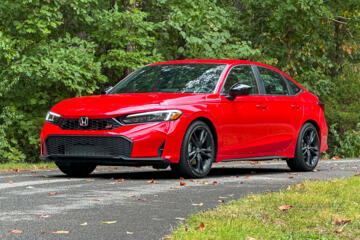
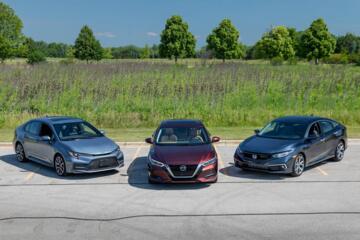
Compact sedans are popular for urban and suburban drivers who need an efficient, practical vehicle without sacrificing drivability or comfort. These cars typically seat five passengers and provide decent cargo room within a car length from about 175 to 185 inches, like the Honda Civic and Toyota Corolla.
Fuel efficiency remains a core metric—with EPA ratings commonly ranging between 30 to 40 miles per gallon combined. For example, the 2026 Hyundai Elantra offers an impressive 38 mpg combined, while the Nissan Sentra delivers about 33 mpg. Meanwhile, space optimization has improved with clever interior designs, but more space often means a slightly heavier car and thus, lower fuel mileage.
Main Selection Pain Points
Space Limitations Affect Comfort
One frequent mistake is underestimating passenger and cargo space needs. Some sedans like the Mazda3 offer a snug rear seat, which can feel cramped on longer trips, frustrating families or carpoolers. Without adequate interior volume, occupants experience discomfort quickly.
Fuel Efficiency Sacrifices by Prioritizing Space
Conversely, maximizing cabin space often increases vehicle weight, which negatively impacts fuel economy. For instance, the Volkswagen Jetta, though roomier than many peers, dips to around 30 mpg combined versus the more space-compact Toyota Corolla’s 34 mpg.
Practical Consequences
Ignoring these trade-offs leads to buyer’s remorse. A daily commuter might choose a roomier model only to face higher fuel costs, while a small-family buyer prioritizing MPG may struggle with cramped interiors when carrying passengers or luggage.
Solutions & Strategies
Assess Your Needs Precisely
Start with how many passengers you routinely carry and cargo volume. For example, if you often drive others, prioritize sedans with rear legroom of more than 35 inches, such as the 2026 Honda Civic LX. If solo driving predominates, fuel efficiency might weigh more heavily.
Opt for Efficient Engines and Transmission
Many brands offer turbocharged 4-cylinder engines with CVTs that balance power and economy. The Toyota Corolla’s 2.0L Dynamic Force engine paired with Direct Shift-CVT achieves 34 mpg combined, making it a reliable choice for efficiency without sacrificing daily usability.
Utilize Advanced Fuel-Saving Technologies
Look for features like idle stop-start systems and regenerative braking. The 2026 Hyundai Elantra SEL integrates these technologies effectively, boosting fuel economy by up to 12% in city driving conditions.
Test Drive During Peak Hours
Driving in real traffic scenarios helps assess comfort and fuel efficiency realistically. Pay attention to cabin noise, ventilation, seat comfort, and how the vehicle performs in stop-and-go conditions.
Leverage Online Tools and Real-World Data
Resources like fueleconomy.gov and Edmunds.com provide transparent fuel consumption data, user reviews, and comparisons. These platforms also calculate total cost of ownership factoring fuel expenses, depreciation, and maintenance.
Real-World Case Studies
Case 1: Young Professional in Chicago
Customer: Sarah needed a commuter car with optimal fuel savings due to 40-mile daily trips.
Problem: Initially considered the Volkswagen Jetta for space but was concerned about higher fuel costs.
Solution: Chose the Honda Civic EX, which offered a compact but comfortable interior and 36 mpg combined fuel economy.
Result: Saved approximately $400 annually on fuel, and the Civic’s 42.3 inches of front legroom and decent trunk (15.1 cu ft) provided balanced comfort.
Case 2: Small Family in Austin
Customer: The Martins required a sedan with more rear passenger space for two kids and luggage.
Problem: Compact sedans often felt tight for the kids’ car seats and weekend gear.
Solution: Selected the Nissan Sentra SV with increased rear seat space and 14.3 cu ft trunk capacity.
Result: Despite a lower 33 mpg combined rating, the family valued comfort and finished with reduced fatigue on long drives.
Model Comparison Table
| Model | EPA MPG | Space Metrics | Base MSRP |
|---|---|---|---|
| Honda Civic EX | 36 Combined | 42.3" Leg / 15.1 ft³ Trunk | $24,150 |
| Toyota Corolla SE | 34 Combined | 34.8" Leg / 13.1 ft³ Trunk | $23,700 |
| Hyundai Elantra | 38 Combined | 38.0" Leg / 14.2 ft³ Trunk | $23,800 |
| Nissan Sentra SV | 33 Combined | 37.9" Leg / 14.3 ft³ Trunk | $23,500 |
Common Buying Mistakes
Ignoring Long-Term Costs
Focusing only on sticker price or fuel efficiency without considering maintenance and insurance can mislead buyers. Some models may have higher repair costs or lower resale value.
Overlooking Real-World Fuel Consumption
EPA ratings provide a benchmark but actual mileage varies with driving style and conditions. Drivers ignoring this tend to overpay on fuel.
Neglecting Cabin Space Test
Skipping in-person seat testing, especially for rear passengers, leads to discomfort and usability issues.
Rushing the Purchase
Buying impulsively without test drives or comparing models results in suboptimal choices, particularly on the space vs fuel efficiency axis.
FAQ
Which 2026 compact sedan offers the best combined fuel efficiency?
The 2026 Hyundai Elantra SEL leads with an EPA combined rating of 38 mpg, making it one of the most fuel-efficient sedans in its class.
Do larger compact sedans always have lower fuel economy?
Generally, increased size and weight negatively affect fuel economy, but advancements in engine technology and hybrid options can offset this to some degree.
How important is rear legroom in compact sedans?
Rear legroom is crucial for passenger comfort, especially if you frequently carry adults or children for extended trips. Aim for models with at least 37 inches of rear legroom.
Are turbocharged engines more fuel-efficient?
Yes, turbocharged 4-cylinder engines typically provide better fuel economy and power balance compared to naturally aspirated engines in compact sedans.
Where can I find reliable fuel economy and ownership cost data?
Websites like fueleconomy.gov and Edmunds.com offer detailed, updated data including user reviews, total cost of ownership calculators, and comparison tools.
Author's Insight
From my years reviewing compact sedans, I’ve seen how buyers repeatedly struggle to balance comfort and efficiency. My advice is to prioritize actual usage scenarios—if you spend hours commuting alone, opt for the highest MPG models with decent interior ergonomics. For families or frequent passengers, slightly trading off fuel economy for more space pays off in comfort and satisfaction. Always test drive and consult trusted fuel economy resources to avoid surprises. A compact sedan’s value lies in customizing your choice to daily life.
Summary
Choosing the right compact sedan in 2026 requires a nuanced approach to balancing space and fuel efficiency. Prioritize your specific needs—consider passenger space against expected mileage and fuel consumption. Evaluate key metrics like rear legroom, trunk volume, and EPA ratings, and use reliable data sources. Test drive models during your typical driving conditions to ensure comfort and economy. Applying these practical steps will lead to a smarter, more satisfying purchase.