Choosing Family Vehicles
Families need vehicles that fit daily life and occasional adventures. Minivans and SUVs dominate this space but suit different needs. For example, the 2023 Toyota Sienna minivan offers 33.5 cubic feet behind the third row, and the Honda Odyssey boasts exceptional interior flexibility. Meanwhile, the Ford Explorer SUV provides nearly 18.2 cubic feet, shrinking with all seats up, but excels off-road. Families with three or more kids often lean toward minivans due to sliding doors and seating layout, though SUVs score higher on style and towing power.
They serve distinct purposes.
Common Misconceptions
People assume SUVs always offer more utility due to their rugged image. That’s not accurate. Many SUVs sacrifice interior room for exterior looks or off-road tech most families never use. For instance, typical SUVs average about 20 miles per gallon, whereas minivans often hit 25 or more on highways, directly impacting monthly fuel bills for busy households. The size difference also affects parking and garage fit, which often frustrates urban families. Mistaking SUVs for better family vehicles can lead to costly mistakes in comfort and functionality.
Assuming bigger means better is false.
Selection Tips
Space and Seat Layout
Check total passenger capacity and cargo flexibility. Minivans typically seat 7 to 8 with configurable seats, allowing flat fold for large gear. Models like the Chrysler Pacifica let you remove or stow seats quickly, perfect for variable needs. SUVs vary—some have 5 seats standard, others add a cramped third row. Families who swap between kids and equipment weekly benefit from minivan adaptability.
Fuel Efficiency
Compare EPA ratings by model year. The Kia Carnival minivan gets around 22 mpg city, 29 highway, beating equivalent SUVs like the Chevrolet Traverse with 18/27 mpg. Over 12,000 miles annually, that difference adds up to hundreds in savings. For longer commutes, minivans reduce fuel anxiety significantly.
Safety Features
Review crash test ratings from IIHS and NHTSA. Most minivans excel in side-impact protection and rollover resistance, helpful when juggling multiple child seats. The 2024 Honda Odyssey scored “Good” in all IIHS tests and includes road departure mitigation on its base trim. Some SUVs offer advanced driver aids, but vehicle height can affect rollover risk.
Driving and Handling
SUVs have higher ground clearance and sometimes all-wheel drive for rugged terrain. This handles snow and rough roads well. However, minivans deliver smoother rides and easier maneuvering in tight parking, important for school drop-offs. The difference shows most on city streets versus unpaved paths.
Loading and Accessibility
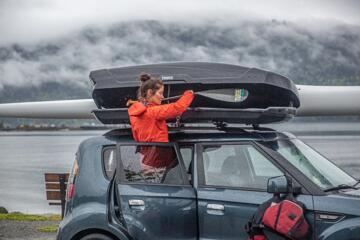
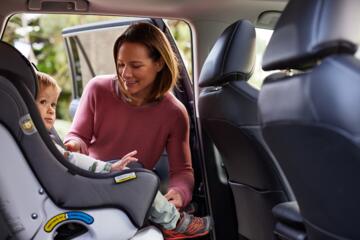
Sliding doors on minivans simplify entry and exit in cramped spaces. For families with toddlers and baby gear, this saves time and reduces stress. SUVs require wider clearance to open doors fully, occasionally forcing awkward seating juggling. Some minivans fit strollers flat in cargo areas, avoiding roof racks or external carriers.
Towing Capacity
SUVs generally pull heavier trailers. The Jeep Grand Cherokee, for example, can tow up to 6,200 pounds, whereas minivans average under 3,500. If the family uses a camper or boat, an SUV suits better. For daily use, towing capability often remains unused or underrated.
Cost and Depreciation
Minivans typically have lower starting prices and better residual values due to niche demand. The Toyota Sienna, for instance, retains about 50% value after three years compared to many SUVs holding 40–45%. Insurance rates also tend to be lower for minivans, reflecting fewer accident claims.
Technology and Entertainment
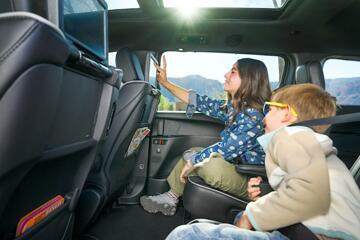
Both vehicle types offer advanced infotainment. Minivans like the Chrysler Pacifica integrate rear-seat monitoring cameras and multiple USB ports designed for families. SUVs focus more on driver assistance and premium audio features. Consider how each vehicle handles backseat entertainment on long drives.
Climate and Terrain
In snowy or hilly regions, all-wheel-drive SUVs perform better. Minivans with AWD exist, but less commonly and usually at a higher price. Families living in warmer, flatter areas may find minivan traction perfectly fine year-round.
Real Family Examples
The Johnsons, a family of five in Ohio, switched from a 2019 Ford Explorer to a 2022 Kia Carnival. Morning school runs shortened by 10 minutes due to easier loading and sliding doors, and gas costs dropped by about $500 yearly. The O’Neills, based in Colorado, kept their 2020 Toyota Highlander for weekend camping, valuing its 4WD and 5,000-pound tow rating for their trailer.
Both found a clear winner by matching vehicle to lifestyle.
Feature Comparison
| Feature | Minivan | SUV | Example |
|---|---|---|---|
| Seating | 7-8 flexible seats | 5-7 seats, tight 3rd row | Carnival vs Explorer |
| Cargo Space | 33.5+ cu ft (behind 3rd) | 18.2 cu ft (behind 3rd) | Sienna vs Explorer |
| Fuel Economy | 22-29 mpg | 18-27 mpg | Carnival vs Traverse |
| Doors & Towing | Sliding doors / Up to 3.6K lbs | Swing doors / Up to 6.2K lbs | Pacifica vs Highlander |
| Starting Price | $33K - $50K | $35K - $60K | Typical range |
Avoiding Setup Mistakes
Don’t buy based only on looks or brand buzz. Test with real gear: car seats, strollers, groceries. Check door clearance—tight parking can kill convenience. Ignoring car seat anchors or rear air vents can make rides uncomfortable for children. Avoid hard-to-clean materials inside.
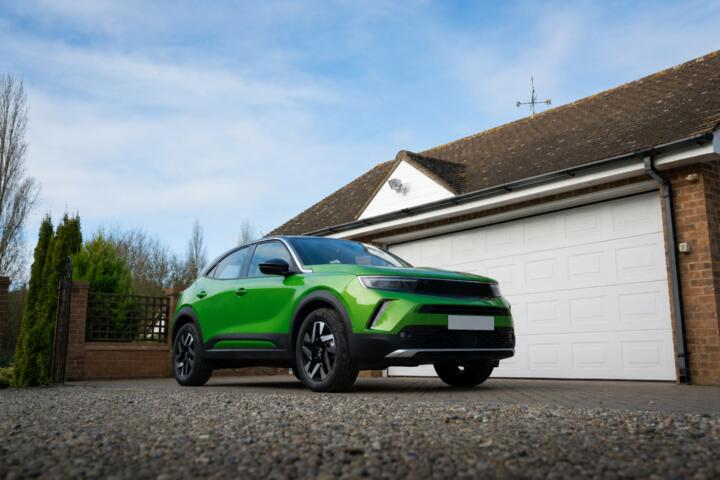
Check fuel cost versus distance traveled before settling. A big SUV with poor mileage becomes a budget drain quickly. Not realizing the extra height can cause garage scraping—run a tape measure in your garage if needed. Forgetting to check blind spots on high SUVs creates avoidable risks.
FAQ
Which vehicle has better fuel economy?
Minivans generally deliver better mileage, averaging around 22-29 mpg highway, while SUVs typically range from 18-27 mpg depending on size and drivetrain.
Are minivans less safe than SUVs?
No. Minivans often achieve excellent crash-test ratings, especially in side impacts, and usually have lower rollover risk due to a lower center of gravity.
Can SUVs fit more passengers than minivans?
SUVs can have 7 seats, but minivans commonly offer 7-8 with more space per passenger and better access to rear seats.
Is towing capacity important for families?
Only if hauling trailers, boats, or campers regularly. Most family daily driving rarely requires towing over 3,500 pounds.
Do sliding doors really help daily?
Yes—they simplify entry in tight spaces and speed up getting kids in and out, preventing door dings.
Author's Insight
I’ve driven both minivans and SUVs with my family for over a decade. Sliding doors truly reduce stress during hectic school mornings. I noticed fuel costs varied by several hundred dollars each year between the two styles, which adds to the total cost over time. Minivans often feel more spacious for active families, but SUVs win when terrain demands it. Choose based on daily reality, not just perceived image.
Summary
Families juggling kids, gear, and errands find minivans unbeatable for interior space, ease of access, and fuel savings. SUVs shine with towing and roadside versatility but usually come with tighter seating and higher operational costs. Test seats, doors, and cargo for your specific daily routine. A minivan often fits better in tight spots, while SUVs meet tougher terrain needs. Match vehicle choice to how, where—and how often—you drive.