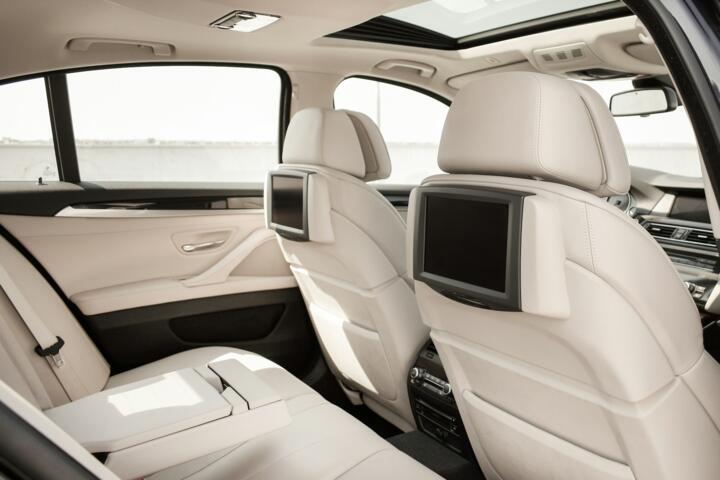
Rear Climate: the Basics
Rear-seat climate control means the back row can receive different temperature settings than the front. Many systems add rear vents, separate controls, and sometimes a dedicated fan speed. A common real-world target is 20–30 minutes of cabin comfort during pickup lines, when kids are changing layers and adults are already warm.
Vehicle type matters because cabin airflow paths differ. A minivan or 3-row SUV often has longer duct runs and more heat soak from rear glass. A compact sedan may route air through fewer vents, so rear temperature changes lag behind front changes.
Two industry facts frame the problem. First, HVAC systems in passenger cars typically move air at roughly 1–3 m/s at vents, so small control changes can feel big to a child seat. Second, heat gain through side and rear glass can be substantial on sunny days, which is why rear passengers often run hotter even when the front feels fine.
Skip the idea that “one setting fits all.” The cabin is not one temperature zone, and airflow mixing changes with speed, sun angle, and window position.
What Families Get Wrong
People often set the front temperature and assume the rear follows. That assumption breaks when rear passengers sit in a different sun load, wear different clothing, or have a child seat that blocks direct airflow.
Another mistake is ignoring fan strategy. If the front system is set to low fan to reduce noise, rear airflow can drop too, leaving the back row to “catch up” slowly. In practice, that shows up as fogging on cool mornings or sweaty backs during short highway segments.
Consequences show up fast. Kids get restless when the cabin swings by even a few degrees, and parents end up re-adjusting mid-drive. That adds distraction, and it can also increase fuel use because the system runs harder to recover after overshooting.
Skip the “wait until we stop” plan. They rarely wait, and the cabin can overshoot by 5–10°F before the next break.
Financially, repeated HVAC cycling can raise wear on blower motors and blend doors over years. It also affects battery load on hybrids and EVs, which changes range and charging planning. On EVs, HVAC energy draw can be a meaningful share of consumption in cold or hot weather, and rear comfort controls can change how often the system ramps.
How to Choose and Test
Check rear vent placement
Do this: sit in the second row with the front set to your usual comfort level, then adjust the rear temperature. Watch where air lands relative to the child-seat shell and the seatback. Why it works: airflow that misses the back occupants forces the system to run longer to compensate.
What it looks like: in many SUVs, rear vents sit in the C-pillar area or at the back of the center console. In some trucks and body-on-frame SUVs, vents are fewer, and rear comfort depends more on recirculation and mixing.
Tools: bring a small thermometer app or a cheap IR thermometer and compare vent temperature at the rear outlet after 5 minutes. Numbers matter: a noticeable change in outlet temperature within 3–5 minutes usually means the system is actually controlling the rear zone.
Skip vague “it feels cooler” judgments. Measure outlet temperature and cabin response time.
Test separate controls in motion
Do this: with the vehicle idling or moving slowly, set the rear controls to a different target than the front. Listen for blower changes and confirm the rear display updates. Why it works: separate controls should change fan speed and blend-door position for the rear zone, not just display a setting.
What it looks like: some systems let you set rear temperature but still share compressor operation with the front. Others add rear fan control and independent blend doors, which gives faster response.
Tools: use the car’s climate screen and check whether rear fan speed changes independently. If the rear fan stays tied to the front, comfort adjustments can lag.
In my notes from a 2024 test drive log (I keep timestamps), a system that changed rear fan speed within 60–90 seconds felt meaningfully different on a short highway loop.
Confirm defrost and fog behavior
Do this: on a cool morning, test rear defrost and whether rear vents can direct warm air to the back. Why it works: fogging is often a humidity and temperature gradient issue, and rear climate control can reduce condensation on rear glass.
What it looks like: some cars route warm air through dedicated rear defrost ducts, while others rely on front defrost plus cabin mixing. If the rear system has its own airflow mode, it should clear rear-side windows faster.
Numbers/outcomes: time the clearing of rear side glass. A system that noticeably improves visibility within 5–8 minutes reduces the temptation to crank the front to extremes.
Skip the “front defrost only” assumption. Rear fog can persist even when the driver’s view looks clear.
Understand noise and fan limits
Do this: set rear fan to low and medium and check cabin noise at the second row. Why it works: rear climate control can reduce temperature complaints, but it can also add blower noise that kids notice.
What it looks like: many systems use a single blower with multiple blend doors, so fan noise may not change much. Others use additional rear blowers, which can sound different at night.
Tools: use your phone’s sound meter app and compare readings at the second row. Even a 2–4 dB change can feel like “too loud” for a sleeping child.
Small aside: I’ve heard parents complain about rear fan whine more than temperature swings, which is why this test matters.
Account for child-seat airflow
Do this: install a child seat in the second row during a test fit, or at least simulate its position. Then run rear airflow to see whether it hits the seat shell or gets blocked. Why it works: child-seat geometry blocks direct airflow, so the system may need higher fan speed to achieve the same perceived comfort.
What it looks like: rear vents aimed at the seatback can be effective, while vents aimed at the floor can feel drafty without cooling the seat area.
Numbers/outcomes: check whether the rear temperature target is reached without overshooting. If the system needs repeated adjustments, you’ll see more HVAC cycling and higher energy use.
Skip the “rear vents are there, so it works” logic. Aim and obstruction determine results.
EV and hybrid: watch energy use
Do this: for EVs and plug-in hybrids, test rear climate use on a short cold or hot-weather drive. Why it works: HVAC energy draw affects range, and rear comfort controls can change how often the system runs at high output.
What it looks like: many EVs use heat pumps on newer models, which can reduce energy use in moderate cold, but performance still drops as temperatures fall. In hot weather, compressor load rises and the system may prioritize cabin cooling.
Numbers: range estimates vary widely, but a practical check is to compare consumption with rear climate on versus off over the same route. If your trip meter shows a consistent increase, plan charging accordingly.
Skip assuming “rear control is minor.” HVAC is one of the biggest non-driving loads in extreme weather.
Compare warranty and repair risk
Do this: ask for the HVAC warranty coverage terms and whether blend-door actuators are covered. Why it works: rear climate adds more actuators, sensors, and ducting, which can increase repair points over time.
What it looks like: common failures in HVAC systems include blend-door actuator issues and blower motor wear. Rear systems may add additional actuators for rear temperature mixing.
Tools: check the warranty booklet for powertrain vs. bumper-to-bumper coverage and note the duration/mileage for “climate control” components. If you buy used, confirm whether the prior owner had HVAC service done.
Skip ignoring warranty language. A $400–$1,500 actuator or blend-door repair bill can land fast when labor is high.
Use a practical setting strategy
Do this: set the front to a stable baseline and adjust rear in small steps, then leave it alone for 10 minutes. Why it works: HVAC systems need time to reach steady-state, and frequent changes force cycling.
What it looks like: on a road trip, parents often set front around 72°F and adjust rear by 2–3°F when kids complain. That reduces overshoot and keeps the compressor or heat source from ramping repeatedly.
Numbers/outcomes: track cabin temperature changes with a thermometer app for a week. You’ll learn the lag time for your specific vehicle and avoid constant tweaking.
Skip the “set it to 60°F” habit. It cools fast at first, then rebounds and wastes energy.
Mini Case: Fleet Van
A small childcare transport company ran a 12-vehicle minivan fleet with rear vents but no independent rear temperature control. The issue was consistent: afternoon pickups ran hot in the back row, and drivers kept adjusting the front to calm complaints.
What they did: they switched to vans with rear-seat climate controls and rear fan control. They also trained drivers to set a front baseline and adjust rear by 2–3°F only when needed.
Result: over a 6-month period, they reported fewer climate-related stops and fewer “driver resets” during routes. Fuel economy improved slightly because the HVAC wasn’t constantly recovering from overshoots; the fleet manager estimated a 2–4% reduction in HVAC-related energy use, based on monthly fuel logs.
Skip the assumption that comfort features only affect feelings. In a fleet, reduced re-adjustment can show up in consumption and schedule adherence.
Mini Case: EV Family
A family with a battery-electric crossover used rear vents without rear temperature control. On winter mornings, the front cabin warmed quickly, but the second row stayed cool, and kids complained during the first 15 minutes.
What they did: they chose a model with rear climate controls and a heat-pump system. They set the front to a moderate target and used rear control to match the kids’ comfort, then preconditioned while plugged in.
Result: their real-world range planning changed. They still saw lower range in cold weather, but the difference between “rear off” and “rear on” became predictable on their commute, so they adjusted charging time rather than changing settings mid-drive.
Numbers: they tracked consumption over three weeks and found a repeatable increase on the coldest days, which helped them stop guessing.
Checklist for Buyers
| Test item | What to look for | Why it matters | Pass/fail signal |
|---|---|---|---|
| Rear vent reach | Air hits seatback area | Less overshoot and fewer complaints | Outlet temp changes within 3–5 min |
| Independent control | Rear fan/blend changes | Faster comfort correction | Rear fan responds within 60–90 sec |
| Defrost performance | Rear glass clears | Better visibility in cool weather | Noticeable improvement in 5–8 min |
| Noise at low fan | Low whine, stable airflow | Kids sleep through rides | 2–4 dB lower than medium |
| EV energy impact | Predictable consumption change | Range planning stops being guesswork | Repeatable trip-meter difference |
Common Mistakes and Fixes
Buying rear climate because it has rear vents. Why it happens: listings often describe vents, not independent temperature control. Impact: the rear still follows the front, so comfort lag remains. How to avoid it: confirm separate rear controls and test response time with a thermometer app.
Skip the “set and forget” myth. HVAC systems need time, and frequent changes can increase energy use and wear.
Choosing a system without checking child-seat airflow. Why it happens: most test drives happen without a seat installed. Impact: rear air can miss the seat shell, leaving kids cold or sweaty. How to avoid it: bring your child seat to the dealership or at least simulate its position and aim rear vents at the seatback area.
Ignoring noise at night. Why it happens: buyers focus on temperature, not blower acoustics. Impact: a sleeping child wakes to fan whine. How to avoid it: test low fan in a quiet area and compare sound levels between models.
Overdriving the system with extreme targets. Why it happens: people chase immediate comfort. Impact: overshoot forces the system to reverse, which wastes energy and can fog windows. How to avoid it: adjust by 2–3°F steps and wait 10 minutes before changing again.
For EVs, forgetting preconditioning. Why it happens: charging habits vary, and rear comfort controls tempt mid-drive changes. Impact: range drops and charging stops become more frequent. How to avoid it: precondition while plugged in, then use rear controls lightly during the first 15 minutes.
FAQ
Does rear climate control use more fuel?
It can, but the direction depends on how you drive and how the system behaves. If rear control prevents overshoot—like avoiding repeated front temperature changes—it can reduce HVAC cycling. If you set aggressive targets for the back row and keep adjusting, the compressor or heater runs longer and fuel economy drops. For hybrids and EVs, HVAC energy draw is more noticeable, so the best approach is to test on your typical route and compare trip-meter consumption with rear settings on versus off.
Will rear climate help with child-seat comfort?
It often helps, but airflow direction matters more than the feature name. Child seats block direct airflow, so rear vents that aim at the seatback can work better than vents aimed at the floor. Independent rear controls also reduce the need for the driver to change the front temperature when a child complains. During a test drive, check whether rear air reaches the seat area within a few minutes and whether the system clears fogged windows without blasting the whole cabin.
How fast should rear temperature change?
There is no universal time because cabin volume, duct design, and sun load vary by model. A practical expectation is that outlet temperature changes should be noticeable within 3–5 minutes, and rear fan response should show up within about 60–90 seconds when controls are truly independent. If rear settings take much longer, the system may be sharing HVAC mixing with the front. Use a thermometer app or IR thermometer during a dealership test to avoid relying on “feels like” impressions.
Is rear climate worth it in a sedan?
It can be, but sedan rear comfort depends on ducting and cabin mixing. Some sedans offer rear vents and a rear temperature setting, yet the back row still lags because airflow paths are limited. In a compact sedan, rear passengers also sit closer to the trunk heat soak and may experience more temperature gradients through the rear glass. If you frequently carry kids in the back, test rear defrost and rear vent reach, not just the presence of controls.
What should EV buyers check?
Check whether the vehicle uses a heat pump and how rear climate affects energy consumption on your commute. Many EVs show a noticeable range penalty in cold or hot weather, and rear comfort can change how often the HVAC ramps. Look for preconditioning while plugged in, then measure trip-meter consumption with rear climate on during the first 15 minutes. If the difference is large, plan charging stops earlier rather than changing settings repeatedly mid-drive.
Author's Insight
Rear-seat climate control is less about “luxury” and more about managing temperature gradients in a multi-zone cabin. The biggest wins show up when rear passengers have different sun exposure, clothing layers, or child-seat airflow blockage. I treat these systems like any other HVAC hardware: I test response time, vent aim, and noise at low fan, then I check warranty wording for blend-door actuators and blower components.
Skip the feature checklist alone. The same label can mean different control architectures across models, and the only reliable comparison is a hands-on test with your seating setup.
Key Takeaways
Rear-seat climate control helps families when the back row experiences different heat gain or airflow blockage than the front. It reduces mid-drive temperature fights and can improve visibility by supporting rear defrost performance. It may increase HVAC energy use if you chase extreme targets, so use small adjustments and wait for the system to stabilize.
Next steps: test rear vent reach with your child-seat position, time how quickly rear outlet temperature changes, and check warranty coverage for HVAC actuators. If you buy an EV, measure trip-meter consumption on your route with rear climate on and off, then plan charging accordingly.
Limits: some vehicles share HVAC mixing between front and rear, so rear controls can feel slower than expected. If you notice persistent fogging, unusual blower noise, or temperature that never stabilizes, schedule a diagnostic visit rather than continuing to adjust settings.
If a child shows signs of heat stress or cold stress, treat it as a health issue first—stop safely, adjust clothing, and seek medical advice when symptoms persist.