4WD vs AWD: the Basics
Four-wheel drive and all-wheel drive both route torque to multiple axles, but they’re not interchangeable in how they engage and how they behave under load. A common real-world example: a pickup with 4WD may require driver input to lock into a low-range transfer case, while an AWD crossover may stay in an on-demand mode until wheel slip appears.
In many 4WD systems, the transfer case can add a low range with a gear ratio often around 2:1 to 4:1, depending on the model. That low range changes crawl speed and engine braking for steep grades and heavy towing. AWD systems typically lack a low-range gearset, so they don’t deliver the same “gear for the job” behavior.
Fuel economy also diverges. EPA testing often shows AWD trims averaging a few mpg less than their 2WD counterparts, though the exact number varies by engine and drivetrain. For example, a 2024 compact SUV might show a 1–3 mpg gap between FWD and AWD in combined ratings, while some trucks show larger differences when 4WD is standard.
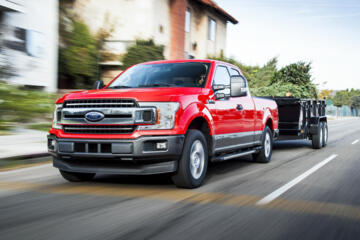
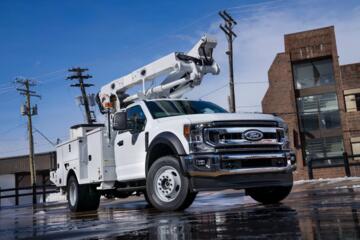
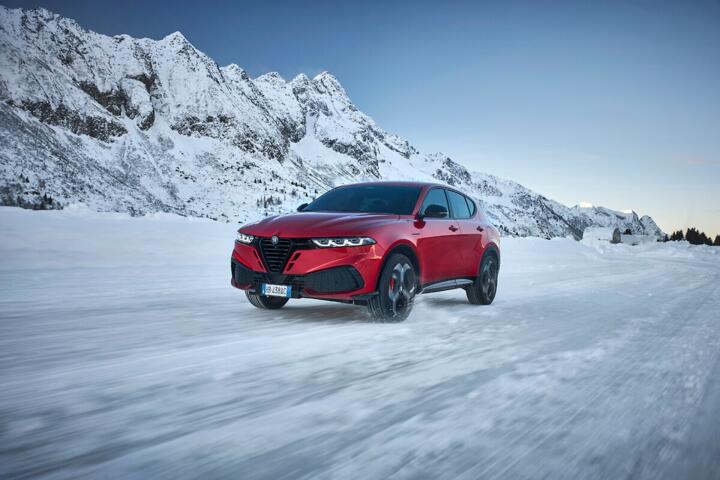
Vehicle type matters more than many buyers realize. A family crossover’s AWD logic is tuned for wet roads and light snow, while a truck’s 4WD hardware is built for towing, ruts, and sustained traction demands.
Skip the badge reading. It rarely tells the whole story.
Where Buyers Get Misled
The most frequent mistake is treating “power to four wheels” as the same traction system. People assume an AWD crossover can replace a 4WD truck for snow plowing, trailer pulling, or driving through deep ruts. The control strategy and mechanical layout decide what happens when traction drops.
Another confusion: engagement timing. Many AWD systems are “on-demand,” meaning they run primarily in two-wheel drive until sensors detect slip. That can feel fine on a wet highway, then behave differently when you need immediate torque at low speed, like climbing a snowy driveway with a loaded cargo rack.
Consequences show up in three places: traction consistency, drivetrain wear, and operating costs. If you use a system outside its design intent, you can overwork clutches, overheat differentials, or trigger protective limp modes. Repairs aren’t always cheap; transfer cases, front drive modules, and clutch packs can carry labor-heavy jobs.
Real-world situations make the gap obvious. A 4WD truck with a locked transfer case can keep both axles turning together during a slow climb. An AWD crossover with open differentials may still move, but wheel speed differences can force the system to rely on brake traction control, which heats brakes and can reduce efficiency.
Money follows the wrong assumption. It shows up at the service counter.
Choose the Right System
Check engagement and modes
What to do: read the drivetrain section for engagement type and available modes. Look for wording like “part-time 4WD,” “on-demand AWD,” “full-time,” and whether a transfer case offers low range. Why it works: part-time 4WD typically lets you select 2H/4H/4L, while on-demand AWD uses clutch packs to add torque when slip is detected.
What it looks like in practice: a part-time 4WD truck often stays in 2H on dry pavement, then locks into 4H when you select it. An on-demand AWD crossover may not change driver settings, yet still shift torque within fractions of a second when the rear wheels start to spin.
Tools and methods: ask the dealer to show the transfer case lever or switch diagram, then confirm whether low range exists. If you’re comparing trims, note that some AWD systems are “AWD with a rear drive unit” while others use a center clutch.
Numbers to watch: low range can cut crawl speed dramatically; for example, a 4L gearset might reduce effective vehicle speed by roughly 2–3x versus high range. That matters when you need engine braking at 5–10 mph.
Match the system to towing
What to do: compare towing capacity and drivetrain cooling notes in the owner’s manual. Why it works: towing loads increase heat in differentials and clutches, and some systems are rated with specific limits for axle ratios and thermal management.
What it looks like: a 4WD truck often routes torque through a transfer case and front differential designed for sustained load. Many AWD crossovers can tow, but their published limits are usually lower than comparable 4WD trucks, and they may require more frequent cooling breaks on long grades.
Tools and methods: check for “maximum trailer weight” and “maximum tongue weight,” then verify whether the manual calls for a transmission temperature limit or towing mode. If you tow in winter, confirm whether the system has a dedicated tow/haul or snow mode.
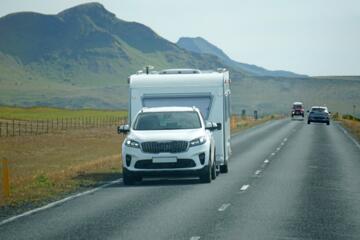
Outcome to expect: towing with AWD can still work, but fuel economy typically drops more than buyers expect. A 2,000–5,000 lb trailer can reduce combined mpg by 30–60% versus unloaded driving, depending on vehicle and speed.
Evaluate low-speed traction needs
What to do: decide whether you need low-speed crawling or just winter commuting. Why it works: low range and axle locking (when available) reduce reliance on brake traction control and help maintain torque at very low wheel speeds.
What it looks like: in deep snow, a 4WD system with a low-range gearset can keep engine rpm in a usable band while the vehicle moves slowly. AWD without low range may still help, but it can hunt between torque requests and wheel slip events.
Tools and methods: look for features like locking differentials, limited-slip differentials, and traction control calibration. If the vehicle has a “hill descent control,” confirm whether it works through the transfer case or only via ABS/brake modulation.
Real-world measurement: hill descent control often targets a narrow speed window, commonly around walking pace, but the exact range varies by model year. If you can’t find the range in the manual, assume it’s limited.
Plan for maintenance and wear
What to do: compare service intervals for transfer case fluid, front/rear differential fluid, and AWD clutch components. Why it works: 4WD and AWD add extra fluids and moving parts, and neglect shows up as noise, shudder, or delayed engagement.
What it looks like: a part-time 4WD truck may require periodic transfer case service even if you use it only seasonally. Some AWD systems have sealed components with longer intervals, but they still depend on correct fluid type and temperature management.
Tools and methods: use the maintenance schedule in the owner’s manual and cross-check with the VIN-specific service bulletin list at a dealership service department. If you’re shopping used, ask for proof of differential and transfer case service.
Ownership cost reality: drivetrain fluid services are often cheaper than replacing a front drive module or transfer case. Labor time can be high because of underbody access, so quotes can vary widely by shop.
Understand tire and brake interactions
What to do: match tire sizes and tread depths across axles. Why it works: AWD and 4WD systems rely on predictable rolling circumference; mismatched tires can cause driveline wind-up or extra clutch activity.
What it looks like: if you rotate tires incorrectly or run different tread depths front-to-rear, an on-demand AWD system may engage more often than expected. Brake traction control can also step in more frequently, heating pads and rotors.
Tools and methods: measure tread depth with a gauge, then keep the difference within a small range. Many owners aim for no more than a few 32nds of an inch difference, though the exact tolerance depends on the system.
Small aside: I’ve seen winter tire swaps go wrong when the spare is a different size; the dash warning may not appear until later. That’s the kind of detail that matters.
Check for drivetrain limitations
What to do: confirm towing, flat-towing, and wheel-dolly rules in the manual. Why it works: some AWD systems require the engine running or prohibit flat towing to avoid pump starvation or driveline damage.
What it looks like: a vehicle may allow towing with all wheels on the ground only if the transfer case is in a specific position. Others require disconnecting a driveshaft or using a trailer dolly setup.
Tools and methods: ask the dealer to print the exact “towing” and “recreational towing” pages for your VIN. If you’re buying used, verify the previous owner didn’t ignore those rules.
Outcome to expect: violating these limits can lead to overheating or internal wear, and the repair bill can exceed the cost of a proper tow setup.
Compare fuel economy honestly
What to do: compare EPA combined mpg for the exact drivetrain, not just the model name. Why it works: AWD adds rotating mass and drivetrain losses, and 4WD can add additional losses when engaged.
What it looks like: an AWD crossover might show a modest mpg penalty, while a 4WD truck’s penalty can be larger, especially with aggressive tires. If you drive mostly in dry conditions, on-demand AWD may reduce losses compared with always-on systems.
Tools and methods: check real-world reviews that include test routes, then compare to your own driving pattern. If you commute 20 miles each way at 70 mph, aerodynamic drag dominates, but drivetrain losses still matter.
Numbers to anchor: a 10–20% mpg drop from adding AWD is common across many lineups, but the actual figure depends on engine, transmission, and tire size. Use the EPA label as your baseline.
Use a test drive with a plan
What to do: drive in a safe environment where you can feel engagement behavior. Why it works: you can’t fully replicate snow or sand, but you can observe how the system responds to throttle changes on low-traction surfaces.
What it looks like: on-demand AWD may feel mostly like FWD until you accelerate hard on a wet on-ramp. Part-time 4WD may feel more “locked in” once engaged, with less wheel slip before traction control intervenes.
Tools and methods: bring a phone with a tire pressure gauge app for quick checks, then verify tire pressures match the door placard. If the dealer allows, ask for a short drive on a wet lot or a patchy gravel area.
Real-world aside: if the vehicle has a “snow” mode, test it once, then switch back. Mode changes can alter throttle mapping and shift logic, which affects how quickly torque transfers.
Mini Case: Fleet Buying
A regional service company bought 18 compact SUVs for winter routes. The first group used AWD crossovers with on-demand systems, and drivers reported frequent traction control activity on slushy roads, plus higher brake wear at around 25,000–35,000 miles.
The company switched to a mix of 4WD trucks for the hardest routes and kept AWD crossovers for plowed urban areas. They also standardized tire brands and tread depth targets across the fleet, which reduced mismatched circumference issues.
Result: brake service frequency dropped by an estimated 20–30% on the 4WD route vehicles, and the company reduced roadside assistance calls by roughly 10–15% over the season. Fuel economy fell on the 4WD trucks, but the reduced tow-outs and brake jobs offset part of the cost.
Skip the assumption that “AWD is enough.” The route map decides the hardware.
Mini Case: Used-Car Decision
A buyer considered a used AWD crossover with 60,000 miles and a used 4WD pickup with 75,000 miles. The crossover’s service history showed no transfer case fluid changes, while the pickup’s records included scheduled differential and transfer case service.
The buyer ran a pre-purchase inspection focused on drivetrain symptoms: engagement delay, whining from the front differential, and any binding during tight turns. The inspection also checked for warning codes tied to the transfer case or AWD module.
Result: the pickup’s higher mileage didn’t translate into higher immediate repair risk because the maintenance records matched the system’s needs. The crossover’s missing service items raised uncertainty, and the buyer negotiated a lower price to cover potential clutch or module work.
Ownership costs often come from uncertainty. Records reduce that uncertainty.
Checklist: Verify Capability
| What to check | If it’s 4WD | If it’s AWD | Why it matters |
|---|---|---|---|
| Transfer case | Look for 2H/4H/4L and low range | Usually no low range gearset | Low range changes crawl speed and engine braking |
| Engagement logic | Driver selects engagement | On-demand clutch adds torque | Timing affects traction at low speed |
| Tire matching | Avoid mismatched sizes | Avoid mismatched sizes | Prevents driveline wind-up and extra clutch work |
| Service schedule | Transfer case and front diff fluid intervals | Rear drive unit and diff fluid intervals | Neglect raises wear and repair risk |
| Towing rules | Check cooling and axle limits | Check towing and flat-tow restrictions | Drivetrain damage can occur if rules are ignored |
Common Mistakes (and Fixes)
Assuming AWD replaces 4WD
Why it happens: both systems move torque to more wheels, so the badge feels like a full substitute. Impact: low-speed crawling, engine braking, and sustained traction can fall short when you need low range or locking capability. How to avoid it: match the system to the job—winter commuting versus towing versus ruts and steep grades.
Real-world example: a loaded trailer on a long grade can overheat clutch-based AWD faster than a truck transfer case designed for that duty cycle. The manual’s towing section is the deciding document.
Skip the “it should be fine” logic. It rarely survives a long climb.
Ignoring tire size differences
Why it happens: spare tires, mismatched tread depth, and quick replacements happen during busy weeks. Impact: driveline wind-up, extra clutch engagement, and brake traction control use can increase wear. How to avoid it: keep tire sizes identical across axles and replace tires in sets when tread differences grow.
Practical step: measure tread depth before winter and after a few months. If the difference grows, rotate on schedule and replace the worn pair sooner.
Small mismatch, big annoyance. The system works harder than you expect.
Using 4WD on dry pavement
Why it happens: drivers treat 4WD as “always better.” Impact: on some part-time systems, using 4WD on dry pavement can cause binding and accelerated wear, especially if the system lacks a center differential. How to avoid it: use 2H on dry roads unless the manual says otherwise, then engage 4H or 4L for traction events.
Practical step: learn the switch positions and the recommended speeds for 4H and 4L. If the manual lists a maximum speed for low range, follow it.
Dry pavement punishes bad habits. Follow the speed limits in the manual.
Skipping drivetrain service
Why it happens: maintenance schedules get overlooked during warranty coverage or busy seasons. Impact: worn fluid can reduce clutch performance, increase noise, and trigger warning lights. How to avoid it: track transfer case and differential service intervals, and ask for fluid type and spec confirmation.
Practical step: for used vehicles, request service invoices. If records are missing, budget for a baseline inspection and fluids before the next winter.
Unserviced parts cost more later. The bill arrives with interest.
Over-relying on traction control
Why it happens: traction control feels like “the car will handle it.” Impact: repeated brake intervention can overheat brakes and reduce efficiency, especially on loose climbs. How to avoid it: use the right gear—low range, appropriate mode, and controlled throttle—before wheel slip becomes constant.
Practical step: if you’re stuck, stop and reassess. Spinning wheels for 30 seconds can do more harm than a slower approach with better traction.
Traction control is a backup plan. It isn’t a substitute for gearing.
FAQ
Can I use 4WD on dry roads?
Many part-time 4WD systems are designed to be used on slippery surfaces only, because the driveline can bind on dry pavement when the system locks axles together. The owner’s manual usually lists when to use 2H versus 4H and whether 4L is limited to very low speeds. Full-time 4WD systems with a center differential may tolerate dry-road use better, but they still have limits. Check the exact drivetrain description for your model year and follow the speed and surface guidance.
Is AWD always better in snow?
AWD can improve traction on snow-covered roads, but it doesn’t automatically match a 4WD system with low range or locking capability. AWD crossovers often engage torque based on slip detection, which can be slower than driver-selected 4WD engagement at low speed. Tire choice matters more than drivetrain labels; winter tires with correct size and tread depth usually outperform all-season tires even on AWD. If you drive steep driveways or tow in deep snow, 4WD with low range can reduce reliance on brake traction control.
Does AWD increase fuel use?
AWD typically adds drivetrain losses, so EPA combined mpg for AWD trims often trails the same model’s FWD trim. The size of the penalty varies by engine, transmission, and tire size. On-demand AWD can reduce losses in normal conditions because it may run mostly in two-wheel drive until slip appears. Still, when you accelerate harder or drive on wet roads, the system engages more often. For budgeting, compare the exact EPA label for the trim you’re shopping rather than relying on general expectations.
Are maintenance costs higher?
They can be. AWD and 4WD add components such as transfer cases, front differentials, rear drive units, and clutch packs, each with its own fluid and inspection needs. Some systems have longer intervals, but neglect still leads to wear and noise. Used-vehicle risk depends on service history: a vehicle with documented differential and transfer case fluid changes is easier to predict than one with missing records. Ask for the maintenance schedule and confirm what fluids and specs apply to that drivetrain.
Can I flat-tow an AWD car?
Flat-towing rules vary widely by drivetrain. Some AWD vehicles require the transfer case to be in a specific position and may require the engine running to keep lubrication flowing. Others prohibit flat towing entirely and specify a trailer dolly or a different setup. The owner’s manual’s “recreational towing” section is the controlling document. If you’re buying a used vehicle for towing, verify the rules before purchase, because a wrong setup can overheat the driveline and lead to expensive repairs.
Author's Insight
Four-wheel drive and all-wheel drive share a goal—more traction—but they reach it with different hardware. 4WD systems often include a transfer case with low range, which changes how the vehicle manages torque at walking speeds. AWD systems commonly rely on clutch-based torque transfer, so heat and engagement logic matter more during repeated slip events.
When shopping, the maintenance schedule and the towing/flat-tow rules usually reveal the real design intent. A drivetrain that looks similar on paper can behave differently when you’re climbing, towing, or driving on mismatched tires.
What to Remember
Start with your use case: winter commuting on plowed roads versus towing versus steep, loose, or rutted terrain. Then verify engagement type, low-range availability, and the exact towing and recreational towing rules in the owner’s manual.
Next step: compare the EPA mpg for the specific drivetrain trim and budget for drivetrain service items listed in the maintenance schedule. If you’re buying used, request service records for transfer case and differential fluids, and inspect for engagement delays or warning codes.
Limits exist. AWD can help on slippery roads, but it doesn’t automatically replace low-range gearing or locking capability. If you need frequent off-road crawling or heavy towing in harsh conditions, 4WD hardware often matches the job better.
Seek professional help if you notice drivetrain binding, grinding, or repeated warning lights after tire replacements or winter use. A technician can confirm whether the issue is clutch wear, fluid contamination, or a sensor fault before it turns into a larger repair.